
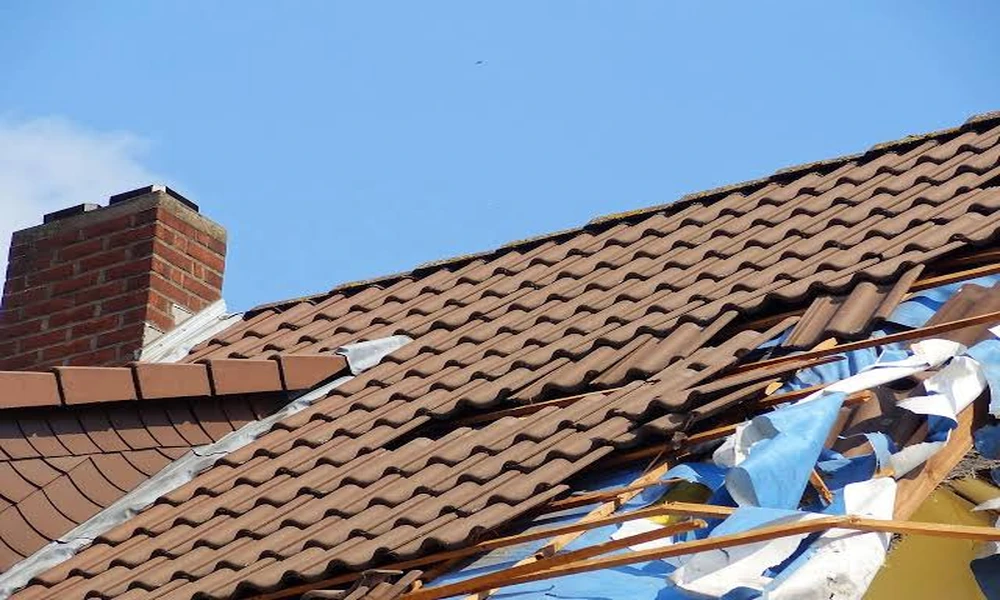
A roof leak can spread far beyond its original entry point within hours. Water entering through a lifted shingle or damaged flashing may travel along roof decking, soak insulation, and eventually appear as a ceiling stain several feet away. When storm damage goes unnoticed, moisture can reach wall cavities, electrical fixtures, and interior finishes before homeowners recognize the problem.
Storm damage roof repair requires quick decisions, particularly in Wyckoff, New Jersey, where thunderstorms, strong wind gusts, and falling tree limbs can threaten residential roofing systems. A roof may look reasonably intact from the driveway while concealed damage allows water to penetrate during the next rainfall. Knowing which actions are safe, which precautions are temporary, and when professional attention becomes necessary can significantly reduce further damage.
For urgent roofing emergencies, Titan Exterior Solutions provides Emergency Roofing services with a 24/7 contact line, Emergency Roof Tarping, and Storm Damage Repair throughout its northern New Jersey service area. Homeowners seeking a roofing company in Wyckoff can contact its team about active leaks, wind damage, and temporary weather protection. Visit the company’s website to reach its emergency roofing line and request assistance.
1. Confirm the Storm Has Passed Before Inspecting Anything
What to do: Remain indoors until severe weather warnings have ended and conditions are safe. Check local weather updates because additional thunderstorm cells may follow the initial storm. Once outside conditions are stable, inspect visible portions of the property from a safe distance.
The National Weather Service guidance for post storm safety recommends assessing damage only after the severe weather threat has passed, avoiding damaged buildings, and contacting authorities about fallen electrical lines.
What to avoid: Never climb onto a wet roof, lean a ladder against damaged gutters, or approach branches touching electrical wires. A compromised roof deck may not support additional weight, even when the surface appears undamaged.
When to call a roofer: Request professional assessment when shingles are visibly displaced, roofing materials are scattered across the yard, or a tree limb has struck the house. Call emergency services first if structural collapse, exposed wiring, or immediate danger is suspected.
2. Examine the Roof From the Ground
What to do: Walk around the property from locations clear of falling debris and look for changes in the roofline. Binoculars or a phone camera with zoom can help identify lifted shingles, damaged ridge caps, displaced flashing, and exposed underlayment.
Wyckoff’s residential landscape includes mature trees, making falling branches and windblown debris relevant concerns during severe weather. Tree limbs can damage shingles through direct impact, while wind pressure can loosen roofing components without leaving a large visible opening.
Inspect gutters and downspouts for detached sections or unusual accumulations of roofing granules. Granules alone do not establish storm damage, but sudden heavy deposits combined with visible shingle deterioration deserve closer examination.
What to avoid: Do not pull loose shingles, remove lodged branches, or attempt to reach damaged roof edges from an upstairs window.
When to call a roofer: Arrange an inspection whenever roof materials appear displaced, debris remains lodged on the roof, or surrounding properties experienced substantial wind damage.
3. Check Ceilings and Attic Spaces for Moisture
What to do: Examine upper floor ceilings, attic access areas, and walls near the roofline. Look for fresh discoloration, damp insulation, dripping water, and unusual moisture around vents or chimneys.
Water entering through a damaged roof can move along rafters before reaching the ceiling. Consequently, a visible stain may not identify the actual point of entry.
Where the attic can be accessed safely, use a flashlight to inspect exposed framing and roof sheathing from a stable walkway. Damp wood, darkened insulation, and moisture trails can indicate an active problem.
What to avoid: Avoid touching wet electrical fixtures, disturbing exposed wiring, or walking between attic joists. Never enter an attic with visible structural damage or signs of sagging.
When to call a roofer: Seek prompt attention when moisture is spreading, insulation is saturated, or water continues entering after the rainfall ends.
If water is near electrical equipment or fixtures, keep clear and consult a qualified electrician before attempting cleanup.
4. Photograph Damage Before Cleanup Begins
What to do: Create a photographic record of visible exterior damage and affected interior spaces. Capture wide photographs showing the location of damage, followed by closer images of specific issues.
Photograph fallen branches, displaced roofing materials, damaged gutters, water stains, and affected belongings. Record the storm date and approximate time when damage became noticeable.
A simple written timeline can also help identify whether moisture appeared during the storm or after a later rainfall.
What to avoid: Do not delay necessary emergency protection simply to obtain more photographs. Avoid moving heavy debris or exposing yourself to unsafe conditions for documentation purposes.
When to call a roofer: Ask for an inspection when photographs reveal possible roof damage that cannot be evaluated safely from the ground. A professional can document roof conditions, identify affected components, and explain the necessary work.
Retain inspection findings, invoices, and photographs for maintenance records and any applicable insurance discussions. Coverage and claim decisions depend on individual policy terms and circumstances.
5. Arrange Temporary Tarping for Exposed Roof Areas
What to do: When storm damage leaves roof decking exposed or creates an active opening, professional emergency tarping can provide temporary protection against additional rainfall.
A roofing crew typically identifies the damaged area, selects a suitable waterproof covering, and secures it so water can shed away from the exposed section. Proper placement matters because gaps, loose edges, and poorly directed runoff can allow moisture to continue entering.
The covering may need to extend beyond the visible damage to accommodate wind driven rain and water movement across the roof.
FEMA’s explanation of temporary roof coverings describes secured plastic roof coverings as temporary protection intended to reduce further damage until permanent repairs are completed.
What to avoid: Do not attempt roof tarping during strong winds, rain, or icy conditions. Improper fasteners can also create additional roof penetrations.
When to call a roofer: Request emergency tarping when missing shingles expose underlying materials, branches puncture the roof, or active leaks cannot be contained safely indoors.
6. Understand Why a Roof Tarp Is Not a Permanent Repair
What to do: Treat emergency tarping as the first stage of protecting the property, not the completion of storm restoration.
Even securely installed tarps remain vulnerable to prolonged ultraviolet exposure, changing temperatures, additional storms, and movement around attachment points. Water can also enter beneath the covering if wind lifts an edge or runoff reaches an unprotected opening.
A temporary covering does not restore damaged flashing, replace broken shingles, or correct weakened roof decking.
What to avoid: Do not assume that a dry ceiling immediately after tarping proves the roofing problem has been resolved. Moisture may remain trapped inside insulation or structural cavities.
When to call a roofer: Schedule a permanent repair assessment after the immediate weather threat has ended. If the tarp shifts, tears, or develops visible gaps, contact a professional for reassessment rather than attempting adjustments from a ladder.
7. Complete Repairs and Verify Water Protection
What to do: A thorough storm damage repair begins with identifying how the roof was affected and tracing any water intrusion to its source.
For asphalt shingle roofs, work may involve removing damaged shingles, inspecting underlayment, replacing compromised decking where necessary, and restoring flashing around roof penetrations. On metal roofs, contractors may examine panel attachment points, seams, fasteners, and flashing disturbed by wind or debris impact.
Repair methods must match the existing roof assembly and relevant manufacturer installation requirements. Simply applying sealant over a visible opening may conceal the symptom without addressing the underlying failure.
What to avoid: Avoid accepting repairs that address only interior staining while ignoring the exterior water entry point. Interior drying and restoration are important, but they cannot substitute for correcting roof damage.
When to call a roofer: Arrange professional verification after repair work, especially when the original leak traveled through concealed areas. Ask which components were repaired, whether any moisture affected the decking, and what conditions should be monitored after subsequent rainfall.
Storm recovery is complete only when the damaged areas have been addressed and the roof can reliably protect the home again. For Wyckoff homeowners, responding safely, controlling water entry early, and following temporary protection with appropriate repairs can prevent a manageable roofing emergency from becoming extensive interior damage.

Comments are closed.