
Introduction
Concerts, weddings, trade shows and sports matches bring hundreds or even thousands of people into one space. If anything happens to the fire protection, or if the event includes things like stages, lighting and food stalls, a fire watch may be needed. Good planning ahead of time is what keeps these events fun instead of frightening.
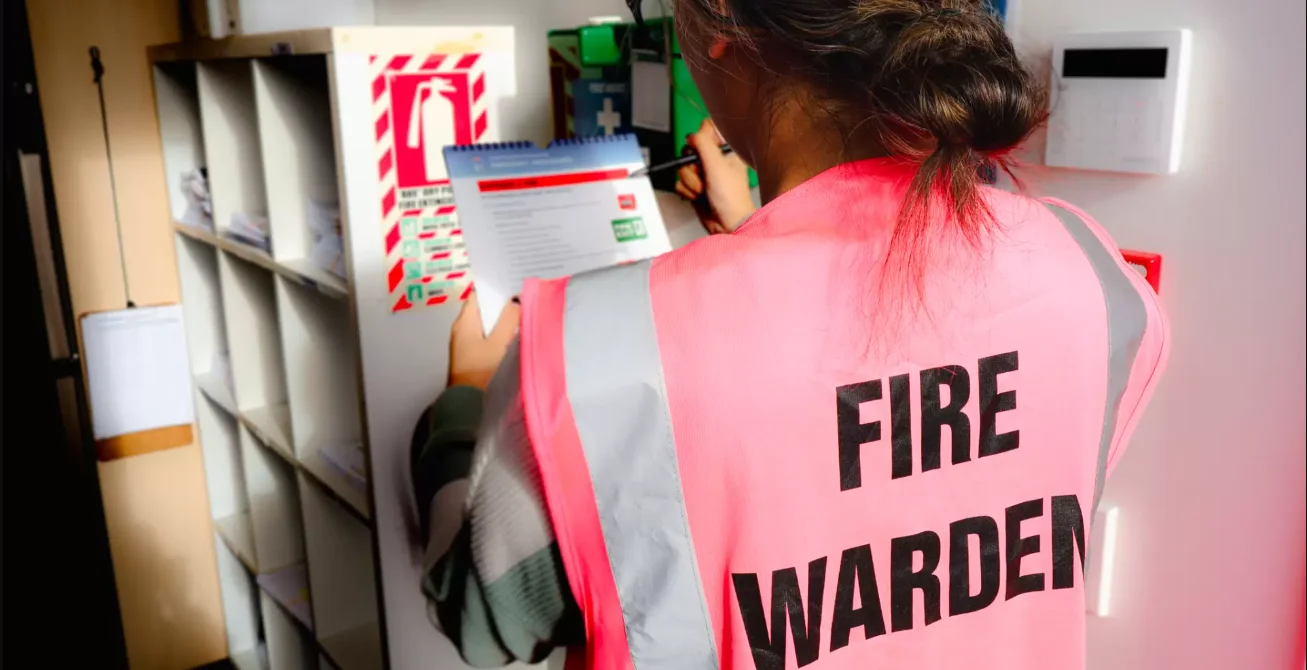
Because crowded venues leave little room for error during an emergency, bringing in dedicated Fire Watch Guards gives organizers reliable eyes on the ground from setup to teardown. Experienced personnel know how to spot hidden hazards around temporary staging, electrical setups, and catering zones while keeping exit pathways unobstructed so guests can enjoy the event safely.
Start With the Venue and the Fire Office
Before the event, talk to the venue manager and the local fire department. Ask what permits you need, how many people the space can hold and whether a fire watch is required for the setup. Many cities ask for a special event permit, and the fire marshal might want to see your plan. Doing this early leaves enough time to fix any problems before the doors open. Bringing a short checklist to that meeting keeps nothing from slipping through. It is also worth asking who will be the main contact on the day.
Know the Risks of the Event
Every event brings its own dangers. Temporary stages and curtains can burn quickly. Cooking stalls use gas and hot oil, and long extension cords can overheat. Fireworks and stage effects need extra care and usually extra approval. Crowds also make it harder to get out, so exits must stay open and clear the whole time, even when the room is packed. Decorations, banners and balloons near lights are also easy to overlook, so check the room during setup.
Staffing and Positioning
The number of guards depends on the size of the venue and the crowd. A small hall might need one or two, while a stadium needs a full team. Place them near exits, backstage areas, kitchens and any spot with electrical equipment. Every guard should have a radio, a copy of the floor plan and a clear idea of who they report to. Brief them before the gates open, not after. For large crowds, many fire departments expect trained crowd managers as well as fire guards, so ask about that early. Keep spare guards ready in case the crowd turns out bigger than expected, since that happens more often than people plan for.
During and After the Event
While the event is running, guards keep walking their areas, watch the crowd density and make sure no one blocks the doors. They should log their rounds like on any other watch. When the crowd leaves, the job is not over. Hot lights, cooking gear and cigarette butts can still cause fires, so a final walk through the venue is important before locking up. Write down the time the last guest leaves and the time the last guard signs off.
Conclusion
Fire watch for a big event is mostly about preparation. Talk to the fire office early, understand the risks, put trained guards in the right spots and keep exits clear. If you do that, you can focus on the event itself, knowing the safety side is covered.

Comments are closed.