
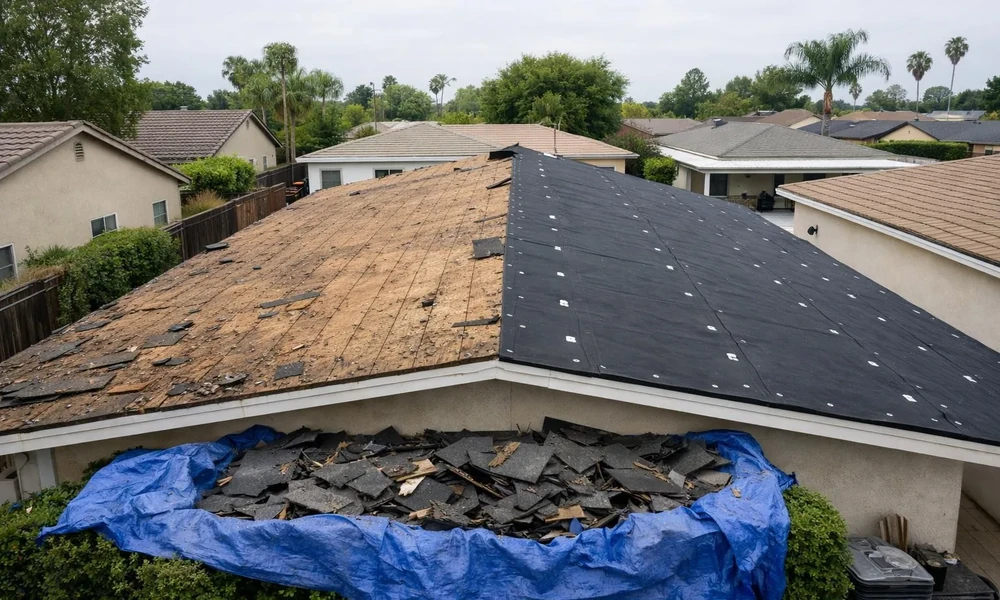
Every so often a homeowner looks up and notices that the roof, once a clean gray or tan, now has black streaks running down it. The first thought is usually alarm. Is the roof failing? Does it need replacing? Before anyone makes an expensive decision, it helps to treat the roof like a mystery and read the clues one at a time.
When you start calling around, whether to a roofing company in Acworth or to a roof cleaning service, it is worth knowing which problems are cosmetic and which are structural. The clues below will help you tell the difference.
Clue One: Black Streaks and Wedge Shaped Patches
According to the University of Georgia Extension’s guide to cleaning shingles, in humid areas fungi and algae feed on dirt in the shingles, and roofs can darken within five to seven years. The growth often begins as black streaks or wedge-shaped patches that later merge together.
The same guide says these stains do not weaken the roof or shorten its life. That is reassuring, but it does not mean you should ignore the roof, because streaks can hide other problems.
Clue Two: Which Side of the House Is Darkest
The UGA guide notes that growth is heaviest on west- or north-facing roofs and on roofs shaded by trees, where dew dries slowly. If one slope looks much worse than the others, shade and moisture are the likely cause. A roof with even streaking across every side deserves a closer look at the shingles themselves.
Clue Three: Granules, Curling and Cracks
Here the clues turn more serious. While cleaning a roof, the guide suggests looking for shingle damage, including cracks, curling corners, buckling front edges and lost granules. Staining is one thing. Shingles that are curling or shedding granules point to wear.
Granules in your gutters and downspouts are another sign worth checking. If you see more than a trace, have a roofer take a look.
Clue Four: Stains Versus Leaks
Dark streaks outside are not the same as stains inside. Brown rings on a ceiling, damp attic insulation or peeling paint near an exterior wall suggest water is getting in. That is a repair question and not a cleaning question, and it is the moment to call a roofer promptly.
What Cleaning Can and Cannot Do
The UGA guide makes a point worth remembering: before you pay high costs to replace your roof, try cleaning it. If the stains are the only problem, cleaning can restore the look without the cost of replacement.
It also warns that treated roofs are slippery when wet, and that people should work from a ladder. Safety is a good reason to hire help for a steep or tall roof. The guide describes a do-it-yourself method, but please check the cleaning product’s label and local advice before using any chemical on a roof, and protect plants and gutters below.
One local note. The website behind this article’s link, Peacekeeper’s Lawn Care, lists soft washing of roofs with a light cleaning solution among its services, alongside pressure washing the house exterior, mulch, hedge pruning and gutter cleaning. The site does not mention roof repair or replacement.
When You Do Need a New Roof
If the clues point to real wear, plan ahead. The UGA guide suggests choosing a fungus-resistant shingle with a 20-year limited warranty against fungus growth when you reroof. It explains that these shingles release zinc granules when it rains, which destroy fungus and algae.
A Simple Roof Clue Checklist
- Look at the roof from the ground each season, with binoculars if needed.
- Note which slopes are darkest and why.
- Check gutters for shingle granules.
- Look in the attic and on ceilings for water stains.
- Trim branches that keep the roof shaded and damp.
- Ask for the cause in writing before approving any big repair.
The Takeaway
A dark roof is not automatically a dying roof. Read the clues, separate stains from damage, and match the fix to the problem. You will spend less and feel more confident about who to call.

Comments are closed.