
Tag

home improvement

Browsing

Key Takeaways

  • Standard doors and laminate doors differ in finish, durability, maintenance, and design flexibility.
  • A laminate wood door is designed to withstand daily wear better than many conventional door finishes.
  • Laminate surfaces are generally easier to clean and maintain.
  • Homeowners often choose door laminate for its combination of practicality and visual appeal.
  • Understanding the differences can help you select the right door for your renovation or new-build project.

Introduction

Choosing the right door involves more than selecting a design that matches your interior. Durability, maintenance requirements, and long-term performance all play important roles in the decision-making process. While standard doors remain a common choice for residential and commercial properties, many homeowners are now considering a laminate wood door as an alternative. Although both options serve the same function, they differ significantly in terms of construction, appearance, and upkeep. Understanding these differences can help property owners choose a door that suits both their aesthetic and practical needs.

What Is a Standard Door?

A standard door typically refers to a door finished with paint, veneer, or other conventional surface treatments. These doors are available in various constructions, including hollow-core and solid-core designs. Their popularity stems from their affordability and wide availability across different styles and sizes.

Standard doors can provide a clean and attractive appearance, especially when newly installed. However, painted surfaces may become chipped or scratched over time, particularly in high-traffic areas. Veneer finishes can also show signs of wear if exposed to moisture, impact, or prolonged use. As a result, standard doors may require touch-ups, repainting, or repairs to maintain their appearance over the years.

What Is a Laminate Wood Door?

A laminate wood door features a decorative laminate layer applied over the door surface. This laminate is manufactured to replicate the look of natural timber, textured finishes, or contemporary designs while providing additional protection against daily wear and tear.

Many homeowners choose door laminate because it combines the appearance of wood with enhanced durability. Laminate finishes are available in a wide variety of colours, patterns, and textures, allowing greater flexibility when matching interior design themes. Whether the goal is a modern, minimalist look or a traditional woodgrain appearance, laminate doors offer numerous design possibilities.

Comparing Durability and Maintenance

One of the biggest differences between standard doors and laminate doors is durability. Standard painted or veneered surfaces are more susceptible to scratches, dents, and fading over time. Areas around handles and door edges are often the first to show signs of wear.

A laminate wood door is designed to resist many of these common issues. The laminate surface provides an added layer of protection against scratches, stains, and minor impacts. This makes laminate doors particularly suitable for households with children, pets, or heavy daily usage.

Maintenance is also simpler. Standard doors may require repainting or refinishing after several years, while laminate surfaces generally only need routine cleaning with a soft cloth and mild cleaning solution. This reduced maintenance requirement is one reason why door laminate in Singapore continues to be a popular option for homeowners seeking practical interior upgrades.

Design and Aesthetic Flexibility

Another key advantage of laminate doors is design versatility. Standard doors are often limited to available paint colours or veneer options. While customisation is possible, it may involve additional costs and maintenance considerations.

A laminate wood door offers a broader selection of finishes, including realistic woodgrain effects, textured surfaces, and contemporary solid colours. This allows homeowners to achieve a cohesive interior design without relying on natural timber materials. The consistency of laminate finishes also helps maintain a uniform appearance throughout the property.

Conclusion

Standard doors and laminate doors each offer distinct advantages. Standard doors remain a practical option for basic applications and budget-conscious projects. However, a laminate wood door provides greater durability, lower maintenance requirements, and wider design choices. For homeowners evaluating door laminate, laminate doors offer a practical balance between appearance and performance, making them a strong option for modern residential and commercial interiors.

Contact Jennings to find a laminate wood door that complements your interior design while providing long-lasting performance for everyday use.
Key Highlights

  • Light control is the primary driver of room versatility, allowing spaces to transition between various functions throughout the day.
  • Adjustable window coverings provide dynamic adaptability, whereas fixed setups often limit a room’s utility and atmosphere.
  • Layering different treatments, such as pairing soft curtains with structured blinds, enhances both aesthetic depth and functional insulation.
  • High-quality hardware and durable materials ensure that window setups remain easy to adjust and maintain for long-term flexibility.

Introduction

The atmosphere of a home is defined by the subtle interplay between architecture and interior design. Often, homeowners focus on furniture layouts or colour palettes, yet the most significant factor in how a space feels throughout the day is the window treatment. When a room feels rigid or stagnant, it is frequently due to window setups that do not adapt to changing needs. Creating a flexible home environment requires an understanding of how light, privacy, and style can be manipulated through intelligent choices in window coverings, be it roller blinds or curtains. This article explores why some setups offer superior adaptability, focusing on how you can elevate your space through thoughtful selection.

The Foundation of Versatility

A flexible window setup is one that responds to the occupant’s needs rather than dictating the room’s utility. Traditional designs often prioritise a single function, such as blocking light completely or providing static privacy. However, modern interior design favours dynamic solutions. The secret to this adaptability lies in layered systems. By combining different textures and operational mechanisms, one can transition a room from a bright, airy workspace to a cosy, intimate retreat within seconds.

Integrating Adaptable Solutions

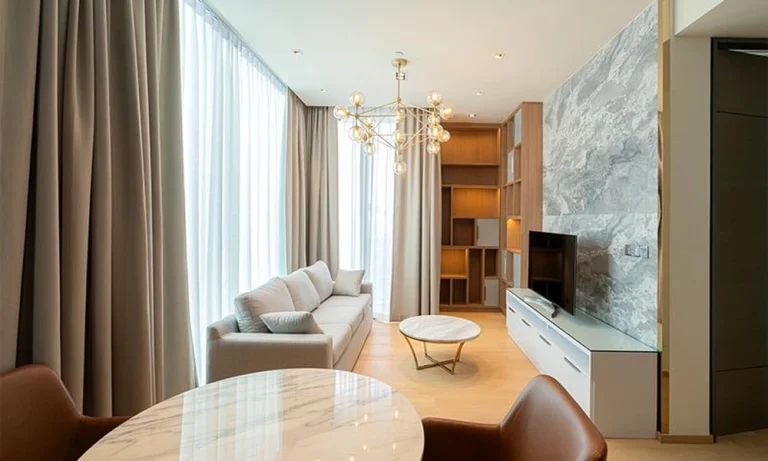
Consider the implementation of roller blinds as a primary component of a flexible interior strategy. These are celebrated for their sleek profile and ease of operation, allowing for precise control over natural light without obstructing the view when retracted. When you install high-quality roller blinds, you gain the ability to manage glare while maintaining a connection to the outside world. This is particularly valuable in spaces like home offices or open-plan living areas where lighting requirements shift dramatically between morning and evening.

Furthermore, exploring a combination of curtain and blinds creates a sophisticated aesthetic that doubles as a functional triumph. By pairing soft curtains with more structured blinds, you introduce tactile warmth and depth to the window frame. The curtains provide softness and insulation, while the blinds offer the mechanical control necessary for privacy and light regulation. This layering approach ensures that your window treatment remains relevant regardless of the season or the specific activities taking place in the room.

Designing for Long-Term Functionality

Flexibility also encompasses how easy a setup is to maintain and adjust over time. Heavy, complicated window dressings can become a burden, discouraging homeowners from utilizing their full range of motion. In contrast, streamlined options allow for effortless adjustments, encouraging you to interact with your environment more frequently. Whether you are opting for automated systems or manual designs, ensuring that the hardware is robust and user-friendly is essential.

Maintenance is another pillar of flexibility. Choosing materials that are durable and easy to clean ensures that your window treatments continue to look and function as intended for years. A setup that requires constant repair or delicate handling ceases to be flexible and becomes a source of frustration. Therefore, prioritising quality components is a strategic investment in the long-term usability of your home.

Conclusion

The pursuit of a flexible home environment is fundamentally linked to the choices made at the window. By embracing layering techniques, selecting appropriate hardware, and considering the interplay of light and texture, you can transform your space into a highly adaptable sanctuary. Whether you favour the minimalist appeal of roller blinds or the classic elegance found in a well-curated arrangement of curtain and blinds, the goal remains the same: to create a home that works for you. Remember, the best window setups are those that disappear when you want the view and appear exactly when you need control.

Contact us today at Window Art Gallery to explore how our bespoke solutions can enhance the flexibility of your home. We are here to help you redefine your interior spaces.

Key Highlights

  • Professional installation begins with an expert site survey to ensure every measurement is accurate to the millimetre.
  • Expert installers handle the complex mounting of tracks and rods to ensure smooth operation and long-term durability.
  • High-quality curtains in Singapore are often heavy, requiring specialised wall anchors and reinforced fittings.
  • The final stage of a professional service includes steaming and dressing the fabric to ensure it hangs perfectly without creases.

Introduction

Purchasing high-quality curtains is only the first half of transforming your home; the second, and arguably more critical half is the installation process. Many homeowners underestimate the technical skill required to hang curtains so that they function smoothly and look professionally tailored. In a market where high ceilings and floor-to-ceiling windows are common, the stakes for a perfect fit are high. Opting for professional curtain installation in Singapore ensures that your investment is handled with care and that the final result enhances the room’s architecture. From choosing the right track system to ensuring the fabric drapes with elegance, a professional service takes the guesswork out of the process. Understanding the specific steps involved can help you prepare for the transformation of your living space and ensure a stress-free experience from start to finish.

Precise Measurement and Site Assessment

The foundation of any successful window treatment project is an accurate site assessment. When you engage a professional service, the first thing to expect is a technician visiting your home to take exact measurements. They do not just measure the window’s width and height; they also check for potential obstacles such as air conditioning units, cornices, or power sockets. This is particularly important for curtains in Singapore, as many modern condominiums feature recessed curtain pelmets that require specific clearances. A professional will also evaluate the wall or ceiling material to determine the required heavy-duty fixings. This initial phase ensures that when the curtains arrive, they fit perfectly without awkward adjustments or unsightly gaps that could let in unwanted light.

Expert Hanging and Alignment

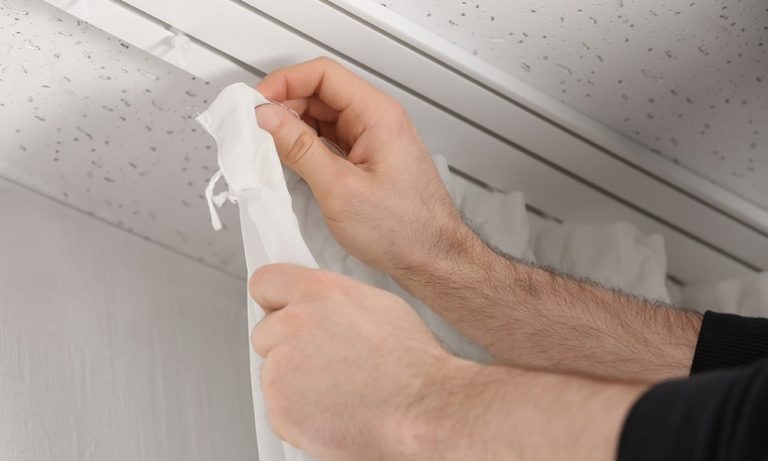
Once the hardware is securely in place, the actual hanging of the fabric begins. This step requires a keen eye for detail and a steady hand. For pleated styles, the installer must carefully insert hooks at precise intervals to ensure the folds are uniform and the hem sits at the correct height. Whether you prefer your curtains to touch the floor or have a slight puddle effect, the installer will adjust the height to your preference. They will also ensure that the curtains overlap correctly in the centre to prevent light leakage, which is a common complaint with DIY installations. This stage of curtain installation in Singapore is where the visual impact really comes together. The installer will test the curtains’ movement multiple times to ensure they glide effortlessly across the track without catching or making excessive noise.

Selection and Mounting of Hardware

The material used to support your curtains in Singapore is just as important as the fabric itself. During installation, professionals will recommend and install the most suitable track or rod system based on the fabric’s weight and the desired aesthetic. For instance, heavy blackout drapes require sturdy tracks with high-quality gliders to prevent sagging over time. Professional installers have the tools and experience to mount these systems perfectly level, even if your ceiling or floor is slightly uneven. They ensure that tracks are securely anchored, which is vital for the system’s longevity, preventing the common issue of tracks pulling away from the wall after repeated use. By delegating this task to experts, you avoid the risk of damaging your walls or ending up with a crooked installation that detracts from the room’s beauty.

Final Dressing and Fabric Steaming

The final touch that separates a professional job from a DIY attempt is the dressing of the curtains. Even high-quality fabric can look underwhelming if it arrives with packing creases or if the pleats do not fall naturally. Professionals often use industrial-grade steamers to remove wrinkles while the curtains are already hanging. They will then manually arrange the folds, a process known as training the curtains, so they maintain a consistent and tidy appearance when both open and closed. This attention to detail ensures that the fabric looks its best from day one. They will also provide you with tips on maintaining the pleats and operating the system correctly to avoid unnecessary strain on the tracks. This comprehensive approach ensures that your new window treatments provide the luxury and comfort you expected when you first made your purchase.

Conclusion

Professional installation is the key to ensuring that your window treatments are as functional as they are beautiful. By trusting experts to handle the measurements, hardware mounting, and final dressing, you guarantee a result that is durable and visually stunning. Whether you are installing sheer drapes for a soft glow or heavy blackout curtains in Singapore for a better night’s sleep, the technical precision of a professional service makes all the difference. It saves you time, prevents costly mistakes, and ensures that your home reflects a high standard of craftsmanship. When every fold is perfectly aligned, and every track moves with ease, you can truly enjoy the transformative power of well-fitted curtains. Investing in professional help is the final step in creating a polished, sophisticated interior that you can be proud of for years to come.

Contact De Art Studio to book your professional consultation and installation and achieve the perfect look for your home.