Category

Roofing

Category

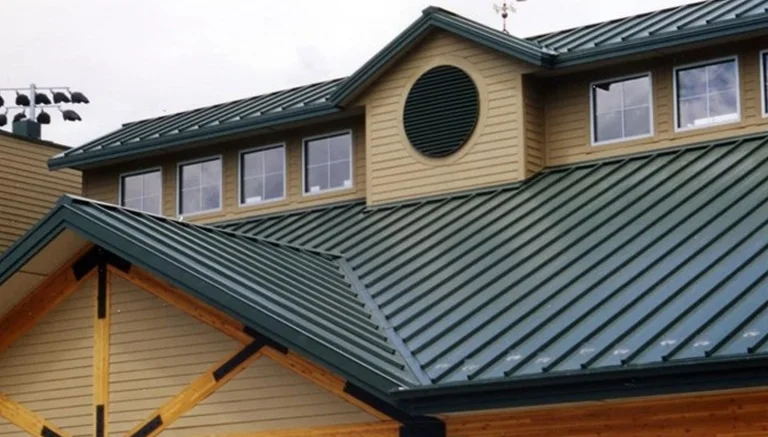
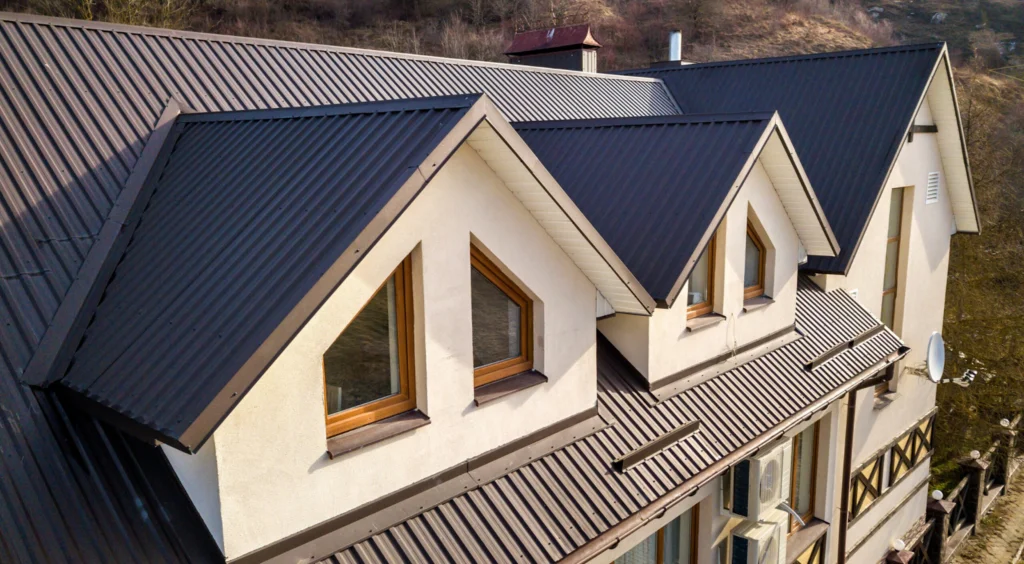
Metal roofing is well-known for its durability and longevity, but even the toughest materials have a lifespan. If you own a home or manage a property with a metal roof, you may be asking: How often do metal roofs need replacement? Understanding the answer is key to protecting your investment, ensuring structural integrity, and avoiding costly repairs down the line.

The Average Lifespan of Metal Roofs

One of the biggest benefits of metal roofing is its extended lifespan. On average, metal roofs last between 40 to 70 years, depending on the type of metal used and the quality of the installation. For example:

  • Aluminum and steel roofs typically last 40–50 years.
  • Copper and zinc roofs can exceed 70 years with proper care.
  • Galvalume and galvanized steel fall somewhere in between, offering around 50 years of service.

This far surpasses traditional asphalt shingles, which often need replacement every 15 to 20 years.

Factors That Affect Replacement Frequency

While metal roofs are designed to be long-lasting, certain factors can shorten their life expectancy:

  1. Climate Exposure: Constant exposure to salty air (especially near coastal regions), intense UV rays, or extreme temperature fluctuations can lead to corrosion, fading, and material fatigue.

  2. Installation Quality: Poor installation can significantly reduce a roof’s lifespan. Improper sealing, loose fasteners, or incorrect flashing are common culprits.

  3. Lack of Maintenance: Although low-maintenance, metal roofs still require routine inspections. Debris buildup, clogged gutters, or minor leaks left unchecked can lead to bigger problems.

  4. Type of Coating or Finish: Painted and coated metal roofs have different lifespans. A premium finish can add decades to the roof’s service life by preventing rust and deterioration.

When to Replace Your Metal Roof

There are a few warning signs to look for that may indicate it’s time to replace your metal roof:

  • Widespread rust or corrosion
  • Loose or missing panels
  • Water leaks or staining inside the home
  • Sagging roof sections
  • Increased energy bills due to poor insulation

If you’re noticing any of these issues, it might be time to consult a professional.

Can Metal Roofs Be Repaired Instead?

In many cases, a full replacement isn’t necessary. Minor leaks, flashing problems, or isolated rust spots can often be repaired. However, if your roof is nearing the end of its expected lifespan or has widespread damage, replacement may be the more cost-effective and long-term solution.

Don’t Wait Until It’s Too Late — Call the Experts!

At Florida Roofing and Gutters, we specialize in metal roof inspections, repairs, and replacements across Florida. Whether you’re dealing with damage or just planning, our team can provide honest assessments and high-quality workmanship.

Ready to evaluate your roof’s condition?
Call Florida Roofing and Gutters today for a free metal roof inspection and replacement quote! Let us help you protect your home for decades to come.

This post was written by a professional at Florida Roofing and Gutters. https://floridaroofingandgutters.com/ , founded by Tri-Town Construction, is the best roofing company to turn to for residential and commercial roof replacements and repairs in Southwest Florida. 
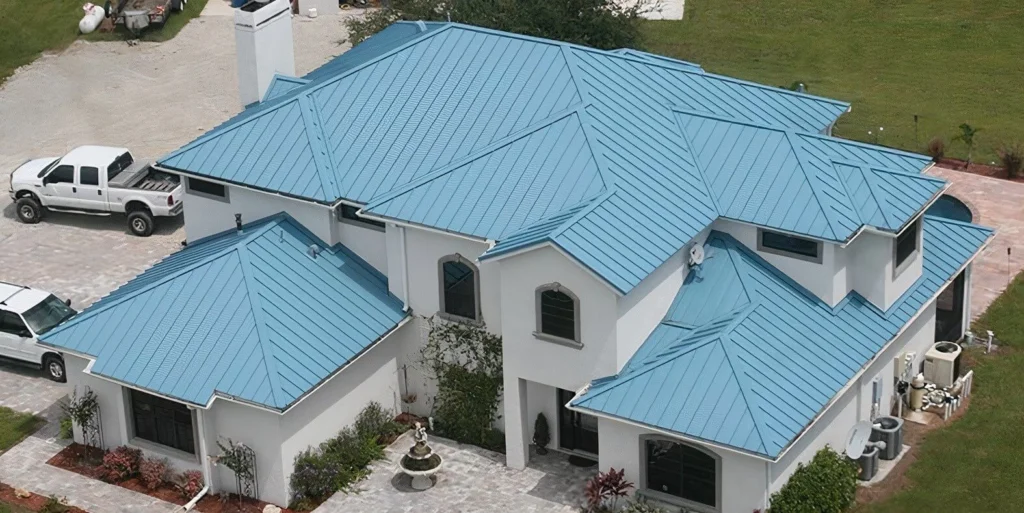
When it comes to roofing solutions, metal roofing has gained significant popularity due to its durability, energy efficiency, and long-lasting performance. However, to maximize the benefits of metal roofing, homeowners and business owners alike are increasingly turning to metal roofing coatings. These coatings offer a variety of advantages, not only enhancing the durability of the roof but also improving its aesthetic appeal. In this blog, we’ll explore how metal roofing coatings can enhance both the longevity and appearance of your roof.

What Are Metal Roofing Coatings?

Metal roofing coatings are protective layers applied to metal roofs to provide additional protection against weather, wear, and tear. These coatings come in various types, including reflective coatings, elastomeric coatings, and epoxy-based finishes. Each type serves a unique purpose, but the overall goal remains the same: to increase the roof’s lifespan and maintain its performance over time.

Why Metal Roofing Coatings Are Essential for Durability

One of the primary benefits of applying a coating to your metal roof is the enhanced protection it offers. Metal roofs are exposed to harsh weather conditions, from intense sunlight to rain, snow, and hail. Over time, these elements can cause the metal to corrode, rust, or weaken. A good-quality roofing coating acts as a barrier that helps protect the underlying metal from the elements, significantly prolonging the life of your roof.

For example, reflective coatings help to deflect the sun’s harmful UV rays, reducing the amount of heat that penetrates the roof. This can prevent metal expansion and contraction, which can lead to cracking and damage over time. Additionally, coatings protect against moisture, reducing the risk of rust and corrosion that can weaken the roof structure.

Improved Aesthetic Appeal

While durability is a primary concern, the visual appeal of your roof is just as important. A metal roofing coating not only provides protection but also enhances the aesthetic value of your property. Coatings come in a range of colors and finishes, giving you the flexibility to match your roof with the exterior design of your home or business.

Whether you’re looking for a sleek, modern look with metallic finishes or a more traditional, matte finish, metal roofing coatings offer a variety of options to complement your style. A fresh coat of paint or coating can breathe new life into an old metal roof, improving curb appeal and increasing the overall value of your property.

Energy Efficiency and Cost Savings

An often-overlooked benefit of metal roofing coatings is their positive impact on energy efficiency. Reflective coatings, in particular, help to reduce heat absorption, keeping your home or building cooler during the hot summer months. This reduces the need for air conditioning and helps lower energy bills. In colder climates, some coatings can help retain heat within the building, contributing to better insulation and energy savings.

Extended Lifespan of Your Roof

Applying a high-quality coating to your metal roof can help it last longer and require fewer repairs over time. By protecting your roof from UV damage, corrosion, and other environmental factors, a coating can add years to the life of your roof. This means fewer replacements and maintenance costs, making it a cost-effective investment in the long run.

Types of Metal Roofing Coatings

There are several types of metal roofing coatings, each with its unique features:

  • Reflective Coatings: These coatings are designed to reflect sunlight and UV rays, keeping your building cooler and reducing energy costs.

  • Elastomeric Coatings: Known for their flexibility, these coatings expand and contract with the metal roof, preventing cracking and damage.

  • Acrylic Coatings: These coatings provide excellent protection against water damage, UV rays, and dirt, while also improving the appearance of the roof.

  • Polyurethane Coatings: Often used for commercial buildings, these coatings offer superior protection against extreme weather conditions, including high winds and heavy rain.

How to Choose the Right Coating for Your Roof

Choosing the right coating for your metal roof depends on several factors, including the climate, the roof’s current condition, and your aesthetic preferences. It’s important to consult with a professional roofing contractor who can assess your needs and recommend the best coating option for your specific situation.

Protect Your Roof with Quality Coatings

If you’re looking to extend the life of your metal roof while improving its appearance, investing in a high-quality metal roofing coating is an excellent decision. The right coating can protect your roof from the elements, enhance energy efficiency, and add curb appeal.

Are you ready to boost your metal roof’s performance and appearance? Our team of experts is here to help you choose the perfect roofing coating that meets your needs. Contact us today for a consultation and let us help you protect and enhance your roof for years to come.

This post was written by a professional at NextDoor Exterior Solutions. Looking for reliable roofing contractors in Clearwater, FL, and its surrounding areas? Look no further than NextDoor Exterior Solutions! Our experienced team of roofers is dedicated to providing top-notch roofing services near you. Whether you need roof repair, replacement, or installation, we’ve got you covered. Plus, as a solar energy company near you, we can even help you save money on your energy bills with our expert solar panel installation services. The mission and values of our company allow us to always demonstrate the full potential of our professionalism. You can rely on us for quality. Don’t settle for subpar roofing services – choose NextDoor Exterior Solutions and experience the difference. Contact us today!


When it’s time for a new roof, many homeowners are faced with the big question: metal roofing vs. traditional shingles — which is better? Each roofing material has its strengths and weaknesses, and the right choice often depends on your budget, climate, and long-term goals. At Freedom Roofing Group, we’ve helped countless homeowners make informed decisions about the best roof for their property, and we’re here to break down the facts.

Durability and Longevity

One of the biggest advantages of metal roofing is its longevity. A properly installed metal roof can last 40 to 70 years, compared to 15 to 30 years for traditional asphalt shingles. Metal is highly resistant to cracking, shrinking, and eroding, and it can withstand extreme weather conditions like high winds, heavy rain, and hail. Shingles, while affordable and easy to install, tend to wear down faster over time, especially in areas with harsh weather.

Cost Considerations

Shingle roofing is typically cheaper upfront, making it a popular choice for budget-conscious homeowners. However, the long-term value of metal roofing often outweighs the initial investment. Since metal roofs last longer and require fewer repairs, they can save homeowners money in the long run. Plus, metal is more energy-efficient, which can lower your cooling costs during hot summers.

Maintenance Requirements

Shingle roofs require more frequent maintenance. They’re prone to issues like mold growth, granule loss, and curling. In contrast, metal roofs are low maintenance. They resist algae and moss, and you don’t have to worry about missing shingles after a storm. With periodic inspections and minimal upkeep, your metal roof will keep performing year after year.

Environmental Impact

If sustainability is a priority, metal roofing is the greener choice. It’s often made from recycled materials and is 100% recyclable at the end of its lifespan. Asphalt shingles, on the other hand, contribute significantly to landfill waste, making them less eco-friendly.

Aesthetic Appeal

Traditional shingles offer a classic look and come in various colors and textures. Metal roofing has come a long way in terms of design, now available in sleek, modern panels or even styles that mimic shingles or tiles. Whether your style is rustic or contemporary, metal roofs can deliver a bold visual impact.

So, Which is Better?

Ultimately, the decision comes down to your priorities. If you’re looking for affordability and a traditional appearance, shingles may suit your needs. But if you value longevity, durability, energy efficiency, and low maintenance, metal roofing is the clear winner.

At Freedom Roofing Group, we specialize in both metal roofing and traditional shingle installations. Our team is here to guide you through your options and help you choose the roofing solution that best fits your home and budget.

Ready to make the right roofing choice?
Contact Freedom Roofing Group today for a free consultation and get expert advice on the best roofing system for your home.

This post was written by the team at Freedom Roofing Group. With over 30 years of combined experience, https://frgwillhelp.com/ is a trusted roofing company serving homeowners and businesses throughout Missouri. Specializing in roof repairs, replacements, and storm damage restoration, our in-house, factory-certified experts deliver high-quality workmanship and personalized service on every project. We’re committed to excellence and dedicated to giving back to the communities we serve.


A well-designed patio cover can transform your outdoor space into a comfortable, year-round retreat. But beyond aesthetics, the right materials ensure that your patio cover is both stylish and long-lasting. Whether you’re aiming for shade, shelter, or added curb appeal, choosing the right material makes a significant difference. Investing in professionally installed patio covers in Dayton is the first step toward building a functional and elegant outdoor extension of your home.

The variety of materials available today offers homeowners the flexibility to balance durability, style, and budget. From wood to aluminum, each type has its unique advantages. Making the right choice begins with understanding your environment, your home’s architecture, and how you plan to use the space.

Understand the Importance of Purpose and Design

Before selecting a material, assess how you’ll use the space. Will your patio be a quiet relaxation zone, a dining area, or a gathering spot for entertaining? The material should align with your intended use. For example, wood offers a warm, natural look that pairs well with traditional or rustic homes. On the other hand, aluminum and vinyl are often chosen for their low-maintenance appeal and resistance to weather damage.

Additionally, thinking through the reasons to install a patio cover can help prioritize material characteristics. If protection from UV rays and rain is the top concern, materials with strong insulating properties and high durability should take precedence.

Evaluate Material Options: Durability vs. Maintenance

One of the most important decisions in choosing a patio cover is balancing appearance with longevity. Aluminum is a popular choice due to its strength, rust resistance, and ability to mimic other textures like wood. It’s ideal for those seeking minimal upkeep with lasting results.

Wood, although visually appealing and highly customizable, requires regular maintenance, like staining or sealing, to protect against rot and pests. Composite materials, which combine wood fibers and plastic, offer a middle ground, retaining the look of wood with reduced maintenance demands.

Vinyl is another option, known for its resistance to fading and cracking, but it may lack the premium feel that natural materials provide. Ultimately, the best choice depends on your willingness to maintain the structure and your region’s weather patterns.

Think Long-Term: Value and Visual Appeal

A patio cover isn’t just a practical feature; it’s also an investment. Choosing high-quality materials can enhance curb appeal and even increase your home’s value. Materials that blend well with your home’s architecture and landscaping can make a big visual impact. Neutral tones and clean lines tend to have a timeless appeal, while custom finishes and trims can elevate a standard patio into a designer outdoor space.

Additionally, durable materials that age well without losing structural integrity contribute to long-term property value. This makes the selection process all the more important, not just for comfort but for financial benefit as well.

Conclusion

Choosing the right material for your patio cover is a decision that affects both the beauty and function of your outdoor space. A well-built structure enhances your lifestyle, protects your patio, and adds to your home’s appeal. With careful planning and professional installation, you’ll enjoy a cover that meets your needs and stands the test of time.

The roof over your head plays a pivotal role in protecting your home and loved ones. Over time, weather elements and natural wear can take a toll on its integrity. One effective way to ensure your roof remains in top condition is by investing in professional roofing services in Canton. Reliable roofing professionals not only address visible damages but also identify hidden issues before they become costly problems. By leveraging their expertise and modern tools, you can add years to your roof’s lifespan and safeguard your home.

Importance of Regular Roof Maintenance

Regular roof maintenance is crucial for preventing minor issues from escalating into major repairs. While it might seem easy to overlook small problems, such as loose shingles or clogged gutters, they can significantly weaken the structure of your roof over time.

Professional roofing services schedule inspections and maintenance to catch these issues early. Their attention to detail ensures that areas prone to leaks or damage are addressed promptly. This proactive approach helps avoid potential structural damage and extends your roof’s durability.

Benefits of Timely Inspections

Timely inspections can make all the difference in preserving your roof. Trained roofing experts notice details that the untrained eye might miss, such as small cracks, deteriorating flashing, or sagging areas. Catching these issues in time prevents water intrusion, mold, and rot—all of which can compromise your home’s safety.

Additionally, professionals offer advice on making necessary improvements, like upgrading materials or enhancing ventilation, which can further extend the lifespan of your roof. These solutions are tailored to your home’s specific needs, adding an extra layer of protection for the years to come.

The Role of Quality Repairs

Even the sturdiest roofs are not immune to occasional wear and tear. Without prompt repairs, small damages can snowball into expensive replacements. Roof repairs, when done professionally, reinforce your roof’s structure and restore its functionality.

Whether it’s patching up leaks, replacing damaged shingles, or sealing exposed areas, skilled technicians utilize advanced techniques and durable materials to ensure lasting results. These fixes protect the roof from further degradation, helping to maintain its quality for a prolonged period.

Why Choose Professional Roofers?

Choosing professionals ensures quality craftsmanship that stands the test of time. Unlike guesswork, trained roofers deliver repairs based on an in-depth understanding of roofing systems. Furthermore, roofing contractors often use durable and high-performance materials that improve your roof’s longevity.

Reliable companies also follow safety standards to complete the job efficiently without endangering anyone. With their expertise, even the most challenging roofing issues are resolved effectively, setting your home up for lasting protection.

Long-Term Savings Through Professional Services

Investing in professional roofing services is not just about fixing immediate problems. It’s a long-term strategy that can save you money. Proper maintenance and professional repairs eliminate the need for frequent fixes, which can accumulate in cost over time.

Additionally, extending your roof’s lifespan postpones the need for a complete replacement—one of the more significant expenses for homeowners. With professional services in place, your roof remains durable through the years, providing both peace of mind and financial savings.

A More Sustainable Solution

Not only do professional services enhance efficiency, but they also promote sustainability. High-quality materials and expert repairs reduce the waste associated with frequent replacements or endless patchwork. This environmentally conscious approach ensures you’re not just protecting your home but also making a positive impact on the planet.

The Value of Expert Advice

One of the key benefits of working with professionals is access to expert advice. Experienced roofers provide helpful insights into maintaining your roof’s condition and offer guidance on the best materials suited to your climate.

For example, if your roof faces significant sun exposure or heavy snowfall, they can recommend weather-resistant materials. Their tailored recommendations ensure your roof is prepared to withstand the unique challenges posed by your environment, helping it stand strong throughout its lifespan.

Conclusion

Your home deserves the best protection possible, and a durable roof is a big part of that. Professional roofing services provide the care and expertise needed to keep your roof in optimal condition for years. From inspections to timely repairs, their comprehensive approach ensures the longevity and performance of one of your most important assets.

If you’re unsure where to start, scheduling maintenance can be the first step to a safer, stronger roof. By addressing potential issues early and relying on the expertise of professionals, you’re investing in the long-term well-being of your roof and home.


Your roof is one of the most important components of your home. Keeping it in great shape not only protects you and your family but also enhances the overall value of your property. Homeowners in residential roofing in Atlanta consistently seek ways to maximize their roof’s longevity. Check out this service for expertise on maintaining and extending the life of your roof.

Regular Maintenance Matters

One of the key steps in prolonging your roof’s life is consistent maintenance. Small problems like cracked shingles, blocked gutters, or damaged flashing can quickly escalate, leading to extensive repairs. Schedule regular inspections—ideally twice a year—to identify and address minor issues before they worsen. Remember, preventative care is always more cost-effective than major repairs or replacement.

Keep Your Roof Clean

Debris-like leaves, branches, and dirt can pile up on your roof over time, creating spots for mold and mildew to grow. Additionally, clogged gutters can lead to water pooling, which poses a threat to your roof’s structural integrity. Cleaning your roof and gutters every few months will help ensure water flows freely and no harmful buildup occurs. If you’re uncertain how to clean or inspect your roof safely, consider hiring a professional to assist.

Address Repairs Promptly

Even small leaks or cracks can lead to big problems if not fixed promptly. Water penetration can damage insulation, walls, and ceilings, and it can even compromise the stability of the roofing structure. If you notice issues such as missing shingles, sagging areas, or water stains in your attic, take quick action to prevent further damage. For more thorough insights, here’s an article on understanding residential roofing basics to help you recognize warning signs.

Proper Ventilation and Insulation

Adequate airflow in your attic plays a crucial role in maintaining your roof. Heat and moisture can accumulate without proper ventilation, potentially leading to mold, wood rot, and even ice dams during winter months. Coupling good ventilation with quality insulation prevents extreme temperature shifts that can harm your roof’s materials. This balance ensures a rooftop environment that supports longevity.

Mind the Trees Around Your Home

While surrounding your home with lush greenery can be charming, overhanging branches pose a hazard to your roof. During storms, they can break off, causing physical damage to shingles or tiles. Even during calm weather, tree limbs brushing against the surface can wear down its protective layers. Trim back any threatening branches and monitor the growth of nearby trees.

Invest in Quality Roofing Materials

If you’re considering a replacement or major repair, the materials you choose significantly impact your roof’s lifespan. Durable and weather-resistant materials may cost more upfront but save money in long-term maintenance and replacement. Consult a trusted professional or explore roofing trends to make the best investment for your home.

Conclusion

Taking care of your roof is a long-term commitment. By staying consistent with upkeep, paying attention to details, and protecting it from preventable harm, you can ensure it serves you well for decades. With reliable maintenance practices and insights into care methods, you’ll be safeguarding one of your home’s most vital systems for years ahead.

Ensuring compliance with building codes is a crucial aspect of roofing work. Proper adherence not only guarantees safety and durability but also protects homeowners from legal and financial issues. The role of roofers in Atlanta involves an understanding of various local and national building regulations, which can differ significantly based on location. Every project requires gaining detailed insights into zoning laws, structural requirements, and material specifications to achieve compliance.

Understanding Local Building Regulations

The first step in ensuring compliance is familiarity with local building codes. Each municipality often has its set of regulations that dictate specific aspects of construction, including roofing materials, methods, and structural integrity. Roofers must stay updated on these regulations to provide safe and compliant services. They often attend training or collaborative meetings with local building officials, ensuring their practices meet the latest standards.

Importance of Proper Documentation

Proper documentation plays a key role in ensuring compliance with building codes. Roofers must obtain the necessary permits before commencing work, which involves submitting proposed plans for review. This process allows local authorities to assess the project for adherence to safety regulations and building guidelines. Proper paperwork not only secures the legality of the project but also helps in protecting the homeowner’s investment.

Selection of Materials

Choosing appropriate roofing materials that meet building code standards is essential. Not all materials are acceptable in every location; some may be prohibited due to fire regulations or environmental considerations. Experienced roofers understand these requirements and can advise homeowners on suitable options. Whether opting for metal, asphalt shingles, or tiles, ensuring that materials meet local codes is non-negotiable for a compliant and long-lasting roof.

Inspections During the Roofing Process

Periodic inspections during the roofing installation are vital to ensure compliance. Local building inspectors assess ongoing work to verify that it adheres to approved plans and building codes. Roofers must be prepared for these inspections and ensure that their workmanship meets or exceeds regulatory standards. Clear communication with inspectors can aid in a smooth inspection process and timely project completion.

If you’re interested in understanding more about how roofers identify and address hidden roof damages, you might want to check out this article.

Continuing Education and Training

To stay compliant, roofers engage in continuing education. Many states require professionals in the roofing industry to complete regular training sessions that cover updated building codes and safety standards. This commitment to ongoing learning allows roofers to offer the best services while ensuring compliance with all applicable regulations.

Conclusion

In the roofing industry, compliance with building codes is not merely a legal requirement but a vital component of delivering quality services. Roofers play an essential role in safeguarding the structural integrity and safety of buildings. By understanding local regulations, obtaining necessary permits, selecting appropriate materials, and ensuring diligent inspections, they help uphold community standards. Homeowners seeking emergency roof repair long island services can feel confident knowing that experienced professionals will guide them through the process with expertise and dedication.

Frequently Asked Questions

1. Why is it important for roofers to ensure compliance with building codes?

Adhering to building codes is crucial for ensuring safety, durability, and legal protection for homeowners. Compliance minimizes the risk of structural failures and protects against potential liabilities.

2. How can homeowners find compliant roofers?

Homeowners should seek qualified roofers with a proven track record of adhering to local building regulations. Checking licenses, certifications, and customer reviews can also aid in making an informed decision.

3. What happens if a roofing project does not comply with building codes?

If a roofing project fails to comply, it can lead to significant penalties, including fines, legal issues, and the necessity of costly remedial work to correct the non-compliance.

Maintaining the integrity of your home’s roof is essential for protecting your investment and ensuring the safety and comfort of your family. While it’s easy to overlook, regular roof maintenance is a crucial aspect of homeownership that offers a myriad of benefits.

In this comprehensive guide, we’ll explore the importance of regular roof maintenance and highlight the numerous advantages it brings to homeowners. Whether you’re a seasoned homeowner or a first-time buyer, understanding the benefits of proactive Roofing Oakville maintenance is essential for preserving the longevity and value of your property.

Extending the Lifespan of Your Roof

One of the primary benefits of regular roof maintenance is the extension of your roof’s lifespan. Over time, exposure to the elements can take a toll on roofing materials, leading to wear and tear. By addressing minor issues promptly through regular maintenance, you can prevent small problems from escalating into larger, more costly repairs. With proper care and attention, your roof can withstand the test of time, providing reliable protection for years to come.

Preventing Costly Repairs

Regular roof maintenance can help you avoid costly repairs down the line. By identifying and addressing potential issues early on, such as damaged shingles, leaks, or flashing problems, you can nip them in the bud before they escalate into major repair projects. This proactive approach not only saves you money but also minimizes the inconvenience and disruption associated with extensive Roofers Mississauga roof repairs.

Protecting Your Home’s Interior

A well-maintained roof is your first line of defence against the elements, protecting your home’s interior from water damage, mould, and other structural issues. By keeping your roof in good condition, you can prevent leaks and moisture infiltration, safeguarding your walls, ceilings, and belongings from costly damage. Regular maintenance also ensures that your attic remains properly ventilated, reducing the risk of condensation and humidity-related problems.

Enhancing Energy Efficiency

Proper roof maintenance can also contribute to improved energy efficiency in your home. A well-insulated and ventilated roof helps regulate indoor temperatures, reducing the strain on your heating and cooling systems. By sealing air leaks, replacing damaged insulation, and ensuring adequate ventilation, you can lower your energy bills and create a more comfortable living environment year-round.

Preserving Curb Appeal

Your roof plays a significant role in your home’s curb appeal and overall aesthetics. Regular maintenance, such as cleaning debris, removing moss or algae growth, and repairing damaged shingles, can help preserve the beauty and integrity of your roof. A well-maintained roof enhances the visual appeal of your home and contributes to its overall value and marketability.

Peace of Mind

Perhaps the most valuable benefit of regular roof maintenance is the peace of mind it provides. Knowing that your roof is in good condition and free of major issues gives you confidence and reassurance as a homeowner. Instead of worrying about potential leaks or damage during storms, you can rest easy knowing that your roof has been properly maintained and is prepared to weather whatever Mother Nature throws its way.

Conclusion

In conclusion, regular roof maintenance is a vital aspect of responsible homeownership that offers a wide range of benefits. From extending the lifespan of your roof and preventing costly repairs to protecting your home’s interior and enhancing energy efficiency, the advantages of proactive maintenance are clear. As a leading roofing company, we understand the importance of regular maintenance and are committed to helping homeowners protect their investments and enjoy peace of mind. Contact us today to schedule a professional inspection and maintenance service for your roof. Your home deserves nothing less than the best care and attention.

The roof of your house guards against the elements, shielding your home and loved ones from rain, snow, hail, and sun. Yet, despite its vital role, it’s often the most neglected part of the house regarding maintenance. Regular upkeep is crucial not only for extending the lifespan of your roof but also for ensuring its optimal performance. In this comprehensive guide, we’ll delve into the best practices for maintaining the integrity of your house roof, promoting longevity and superior performance.

Regular Inspection

  • Conduct inspections at least twice a year, ideally in spring and fall.
  • Check for minor issues before they escalate into costly repairs.
  • Look for signs of damage, such as missing or damaged shingles, cracked flashing, sagging areas, and clogged gutters.
  • Vigilantly examine for water stains on ceilings or walls, indicating potential leaks needing immediate attention.

Prompt Repairs

  • Identification of Issues: Inspect your roof for damage or wear and tear signs. Look for missing or damaged shingles, cracked flashing, sagging areas, and clogged gutters.
  • Importance of Timely Action: It’s crucial to address any issues promptly to prevent them from escalating into more significant problems. Even minor damage can compromise the structural integrity of your roof and lead to water damage inside your home if left unattended.
  • Preventing Further Deterioration: Whether replacing missing shingles, sealing cracks in flashing, or clearing debris from gutters, prompt repairs are essential for further deterioration. You can mitigate the risk of more extensive damage and costly repairs by tackling repairs as soon as they’re identified.
  • Preserving Structural Integrity: Prompt repairs help maintain the structural integrity of your roof, ensuring that it remains solid and stable against the elements. Addressing issues promptly also reduces the risk of leaks and water damage to your home’s interior, protecting your property and belongings.
  • Professional Assistance: While some repairs can be DIY-friendly, it’s essential to enlist the help of an experienced roofing contractor for more complex issues. Boston Roofers can accurately assess the extent of the damage and provide expert repairs to restore your roof’s integrity.
  • Regular Maintenance Schedule: Incorporate prompt repairs into your regular maintenance schedule to protect your roof proactively. Make it a habit to address any issues as soon as they arise rather than waiting for them to worsen over time.
  • Cost-Effective Approach: Addressing issues promptly can save you money in the long run by preventing more extensive damage that requires costly repairs or premature roof replacement. Investing in prompt repairs is a proactive and cost-effective approach to maintaining the integrity of your house roof.

Enhancing Roof Maintenance Through Cleaning Gutters and Downspouts

  • Importance of Proper Drainage: Gutters and downspouts are the unsung heroes of your roofing system, channeling rainwater away from your roof and foundation. Ensuring they remain clear and functional is paramount to prevent water damage and maintain the structural integrity of your home.
  • Common Culprits: Leaves, twigs, and debris are natural adversaries to gutters and downspouts. They accumulate over time and obstruct the flow of water. This buildup can impede proper drainage without regular cleaning, leading to water pooling on your roof and potential leaks.
  • Frequency of Maintenance: Regular maintenance is key to keeping gutters and downspouts free of debris. Aim to clean them at least twice a year, ideally in the spring and fall, to coincide with seasonal changes and prevent blockages before they become problematic. If you reside in an area with heavy foliage, consider increasing the frequency of cleanings to ensure optimal performance.
  • Invest in Gutter Guards: Installing gutter guards is a proactive measure to minimize debris buildup and reduce cleaning frequency. These protective covers act as a barrier, preventing leaves and other debris from entering the gutters while allowing water to flow freely. While an initial investment is involved, gutter guards can save you time and effort in the long run by extending the intervals between cleanings and reducing the risk of clogs.
  • Professional Assistance: For thorough and efficient gutter maintenance, consider enlisting the help of professionals. An experienced roofing contractor can comprehensively inspect your gutters and downspouts, identify any issues or potential problems, and perform the necessary cleaning and repairs. This ensures that your gutter system is in optimal condition and ready to handle the next rainfall easily.

DIY Maintenance Tips

If you prefer to tackle gutter cleaning yourself, follow these tips for effective maintenance:

  • Use a sturdy ladder and take safety precautions to prevent accidents.
  • Wear gloves and protective eyewear to shield yourself from debris and potential hazards.
  • Use a gutter scoop or garden trowel to remove larger debris, and then flush the gutters with a garden hose to clear out the remaining residue.
  • Inspect the downspouts for clogs and use a plumber’s snake or pressure washer to dislodge any obstructions.
  • Check for signs of damage or leaks while cleaning, and address any issues promptly to prevent further deterioration.

Trim Overhanging Branches

  • Risk Reduction: Overhanging branches pose a significant risk to your roof, particularly during severe weather conditions like storms or high winds.
  • Potential Damage: Falling branches can cause extensive damage to your roof, including dislodging shingles, puncturing the roof membrane, or even compromising the structural integrity of your home.
  • Preventive Action: To safeguard your roof against such risks, it’s essential to trim back any branches that extend over it regularly.
  • Safety Measures: By keeping overhanging branches at least several feet away from your roof, you can prevent them from scraping against the surface or falling onto it, minimizing the likelihood of damage.
  • Aesthetic Considerations: While trees near your house contribute to the visual appeal of your property, it’s crucial to balance aesthetics with practicality by maintaining a safe distance between branches and your roof.

Enhancing Attic Ventilation for Roof Longevity

  • Regulate Temperature and Moisture Levels: Attic ventilation is crucial for maintaining optimal temperature and moisture levels within your home. By allowing proper airflow, ventilation helps prevent excessive heat buildup in the attic during hot weather, reducing the strain on your HVAC system and minimizing the risk of moisture accumulation that can lead to mold growth and wood rot.
  • Prevent Premature Shingle Deterioration: Inadequate attic ventilation can accelerate the deterioration of roofing materials, particularly asphalt shingles. Without proper airflow to dissipate heat, shingles are more susceptible to damage from UV exposure and thermal expansion and contraction, leading to premature aging and degradation. Implementing effective attic ventilation helps extend the lifespan of your roof by preserving the integrity of shingles and other roofing components.
  • Mitigate Ice Dam Formation: In colder climates, ice dams pose a significant risk to the structural integrity of your roof and can cause water infiltration into your home. Insufficient attic ventilation contributes to the formation of ice dams by allowing warm air from the living spaces below to rise into the attic, where it melts snow on the roof surface. As the melted water refreezes at the eaves, ice dams prevent proper drainage, leading to water backup and potential leaks. Proper attic ventilation helps maintain consistent roof surface temperatures, reducing the likelihood of ice dam formation and associated damage.
  • Install Vents Strategically: To ensure adequate attic ventilation, vents at critical locations must be installed to facilitate airflow. Ventilation systems typically include intake vents installed at the eaves or soffits to allow fresh air to enter the attic and exhaust vents near the roof’s peak to expel stale air and moisture. This balanced ventilation system creates a continuous airflow pathway, promoting efficient ventilation throughout the attic space.
  • Consider Insulation Upgrades: In addition to proper ventilation, adequate insulation is essential for optimizing attic conditions and enhancing energy efficiency. Insulation helps prevent heat transfer between the attic and living spaces below, reducing the workload on your heating and cooling systems and maintaining more stable indoor temperatures. By combining effective attic ventilation with sufficient insulation, you can create a comfortable and energy-efficient home environment while prolonging the life of your roof.

By prioritizing attic ventilation and implementing these strategies, homeowners can safeguard their roofs against premature deterioration, ice dam formation, and other issues associated with inadequate ventilation. Proper ventilation enhances the longevity and performance of your roof and contributes to your home’s overall comfort, energy efficiency, and structural integrity.

Enhancing Your Roof Maintenance Plan

  • Comprehensive Assessment: Professional roofing contractors use specialized knowledge and tools to thoroughly assess your roof. They can identify hidden issues, such as structural damage or improper installation, that may escape DIY inspections.
  • Expert Eye: Trained roofing contractors in Wellesley possess years of experience in identifying potential problems and assessing the overall condition of your roof. Their expertise allows them to detect early signs of damage, preventing minor issues from escalating into major repairs.
  • Tailored Recommendations: Following a professional inspection, you’ll receive personalized recommendations based on your roof’s specific needs. Whether repairing damaged shingles, reinforcing weak spots, or improving ventilation, these recommendations are tailored to maximize your roof’s longevity and performance.
  • Peace of Mind: By entrusting your roof to qualified professionals, you can rest assured knowing that any underlying issues will be addressed promptly and effectively. This peace of mind is invaluable, especially when protecting your home and investment.
  • Adherence to Standards: Professional roofers adhere to industry standards and best practices in their inspections and repairs. This ensures that your roof is maintained according to the highest quality standards, prolonging its lifespan and minimizing the risk of future issues.
  • Timely Identification of Problems: Regular professional inspections allow for the timely identification of potential problems, enabling you to address them before they worsen. This proactive approach can save you time, money, and stress in the long run by preventing costly repairs and extensive damage.
  • Frequency Based on Need: The frequency of professional inspections can be tailored to the specific characteristics of your roof. While scheduling inspections every few years is recommended for most roofs, older roofs or those exposed to severe weather events may require more frequent assessments to ensure ongoing integrity.
  • Documentation and Records: Professional inspections provide documented evidence of your roof’s condition, which can be invaluable for insurance claims or resale purposes. Proper inspections and maintenance records can enhance your home’s value and reassure potential buyers.

Investing in Quality Materials and Installation

  • Research: Before embarking on any roofing project, conduct thorough research on different roofing materials available in the market. Explore their durability, weather resistance, and longevity to make an informed decision.
  • Long-Term Savings: While quality materials may entail a higher upfront cost, they often result in significant long-term savings by reducing the need for frequent repairs and replacements. Consider it an investment in your roof’s future integrity.
  • Durability: Opt for materials known for their durability and resilience against harsh weather conditions. Asphalt shingles, metal roofing, and clay tiles are popular choices renowned for their ability to withstand wind, rain, snow, and UV exposure.
  • Energy Efficiency: Some roofing materials, such as energy efficiency, offer additional benefits. Look for options to improve insulation and reduce heat transfer, potentially lowering heating and cooling costs.
  • Environmental Impact: Consider the environmental impact of your roofing materials. Choose eco-friendly options made from sustainable or recycled materials with minimal ecological footprint.
  • Professional Installation: The quality of installation plays a critical role in the performance and longevity of your roof. Invest in a reputable roofing contractor with extensive experience and a solid reputation for excellence.
  • Credentials and Certifications: Verify the credentials and certifications of the roofing contractor to ensure they adhere to industry standards and regulations. Look for certifications from reputable organizations such as the National Roofing Contractors Association (NRCA) or the Roofing Contractors Association of America (RCRA).
  • Warranty Coverage: Prioritize roofing materials and contractors that offer comprehensive warranty coverage. A warranty provides added peace of mind, protecting you against defects in materials or workmanship and offering recourse in case of any issues arising post-installation.
  • Customization Options: Explore customization options available with different roofing materials to achieve the desired aesthetic for your home. From various colors and textures to unique styles and patterns, choose materials that complement the architectural style and enhance the curb appeal of your property.
  • Regular Maintenance: Even with high-quality materials and professional installation, regular maintenance is essential to ensure your roof’s longevity and performance. Establish a maintenance schedule and adhere to it diligently to address potential issues before they escalate into costly repairs.

Conclusion

Maintaining the integrity of your house roof requires a proactive approach and ongoing diligence. By following these best practices for roof maintenance, you can extend the lifespan of your roof, enhance its performance, and safeguard your home against the elements. Remember to prioritize regular inspections, prompt repairs, and proper upkeep to ensure your roof remains a reliable protector for years.

Roof tile coating is a blend of artistry and science, designed to protect and enhance the longevity of your roof. This guide will delve into the science behind roof tile coatings and how they work to protect your property.

Reflective Roof Coatings

The primary science behind roof tile coatings lies in their high solar reflectance (albedo) and thermal emittance. These properties allow the coatings to reflect a significant amount of sunlight away from the building, thereby reducing the heat absorbed by the roof. This, in turn, helps in maintaining cooler indoor temperatures, which can be particularly beneficial for commercial establishments looking to reduce their energy costs.

Material Specific Coatings

Different roof materials require different types of coatings. For instance, metal shingles or tiles might be factory coated with light- or cool-colored paint, or surfaced with reflective mineral granules to improve their solar reflectance. The use of TiO2 nanoparticles in clay roofing tiles has also been explored to improve their properties.

Thermal Emittance

Another critical aspect of roof coatings is their thermal emittance. This is the ability of the coating to release absorbed heat back into the atmosphere rather than transferring it to the building below. High thermal emittance values are desirable in roof coatings as they contribute to the overall cooling effect.

Application Process

Applying a roof tile coating is more complex than simply painting the roof. To achieve optimal results, it’s recommended to apply two or three thin coats. This process ensures an even distribution of the coating, maximizing its protective and reflective properties.

When to Use Roof Coatings

Roof coatings are often used as a cost-effective alternative to a full roof replacement. They can help restore aging roof systems, extending the life of a building’s roof. However, it’s crucial to use the right type of coating for your specific roof material and to apply it correctly to ensure its effectiveness.

In Conclusion

Understanding the science behind roof tile coatings can help you make informed decisions about the best way to protect and enhance your property. From their reflective properties to their thermal emittance, these coatings are a testament to the blend of science and technology in the construction industry.