Author

Gerald Armenta

Browsing

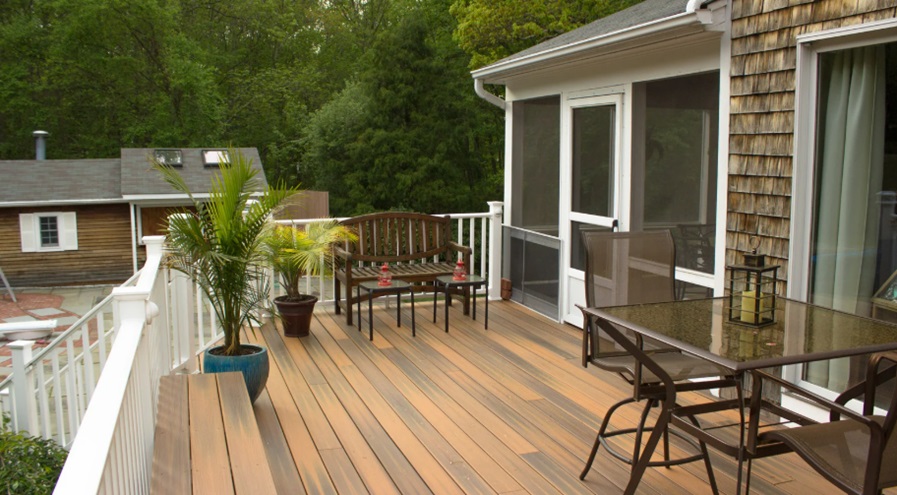
A well-designed deck in Cumming can offer the perfect outdoor retreat for relaxation, entertainment, and enjoying nature. However, creating privacy on your deck is often essential to make the space feel more personal and secluded. Whether you’re dealing with nearby neighbors or simply want a cozier outdoor ambiance, there are plenty of smart design solutions to help you achieve the privacy you desire.

Use Privacy Screens or Panels

One of the most straightforward ways to enhance privacy is by adding privacy screens or panels. These can be installed as permanent fixtures or movable options, depending on your preference. Privacy screens come in many designs and materials, such as wood, bamboo, or even frosted glass. A well-placed screen not only blocks intrusive views but can also add a decorative touch to your deck. If you’re planning updates or considering professional assistance, be sure to explore services tailored to your specific requirements.

Incorporate Tall Greenery

Using natural elements like tall plants or shrubs is a fantastic way to create an organic barrier for your deck. Options such as potted plants, decorative grasses, or even small trees are aesthetically pleasing while offering functional privacy. When choosing plants, consider your local climate and deck conditions to find ones that thrive in sunlight or shade. For example, placing large planters along the edges of the deck can create a living wall that provides both coverage and charm.

Build a Pergola or Overhead Structure

A pergola or other overhead structure can transform your deck into a more intimate space while shielding it from prying eyes or excess sunlight. By adding latticework or climbing plants to the sides, you can increase the privacy factor while maintaining a sense of openness. Pergolas also offer an opportunity to hang curtains or shade sails, which can be adjusted for an added layer of seclusion. This structural addition not only boosts privacy but enhances the overall functionality of your outdoor space.

Utilize Clever Furniture Arrangements

Strategic placement of outdoor furniture can also help create more privacy, especially on decks with limited space or budget for major renovations. Position seating areas away from exposed sides, and consider using larger furniture pieces as barriers. Sectional sofas, high-back chairs, or even outdoor bookcases can act as visual blocks while offering comfort and utility. Opting for multi-purpose pieces ensures you maximize both functionality and privacy.

Add a Fence or Trellis

If you’re looking for a long-term privacy feature, installing a fence or trellis around your deck may be the perfect solution. Fences can provide full or partial enclosure, depending on their height and design, while trellises can support climbing plants like ivy or jasmine for a softer yet effective barrier. Some homeowners in Cumming choose custom landscaping to seamlessly integrate fences with their backyards for a harmonious look. This is an excellent option for creating both privacy and an attractive aesthetic.

Outdoor Curtains and Fabrics

Adding outdoor curtains or drapery is a versatile and budget-friendly privacy solution. These can be attached to pergolas, fixed frames, or even railings to create a cozy retreat on your deck. Choose durable, weather-resistant fabrics in colors or patterns that complement your outdoor décor. Curtains offer the ability to open and close them as needed, making them an adaptable option for varying levels of privacy and shade throughout the day.

Professional Deck Solutions for Better Results

When planning major changes such as adding fences, pergolas, or custom screens, it’s always wise to consult professionals to ensure quality craftsmanship. For more insights on the importance of professional deck installation for quality results—refer to this article. A professional’s expertise not only enhances privacy but also ensures long-lasting results and compliance with safety standards.

A Thoughtful Approach to Deck Design

Designing your deck for a balance of privacy and style can dramatically improve the usability of the space. By incorporating innovative options like tall greenery, custom screens, or overhead structures, you can transform your outdoor area into a personal sanctuary. When planning your upgrades, it’s beneficial to consider alternatives. Many homeowners find professional solutions particularly helpful when dealing with specific needs for deck remodeling.

Conclusion

Creating privacy on your deck doesn’t have to be a daunting task. By integrating a mix of practical and aesthetic solutions such as privacy screens, lush greenery, overhead structures, or strategic furniture placement, you can make your outdoor space feel peaceful and secluded. If you’re in search of expert help to build or refine your deck, professional assistance can make a significant difference. With thoughtful planning and a few smart changes, you can enjoy a private and inviting deck for years to come.

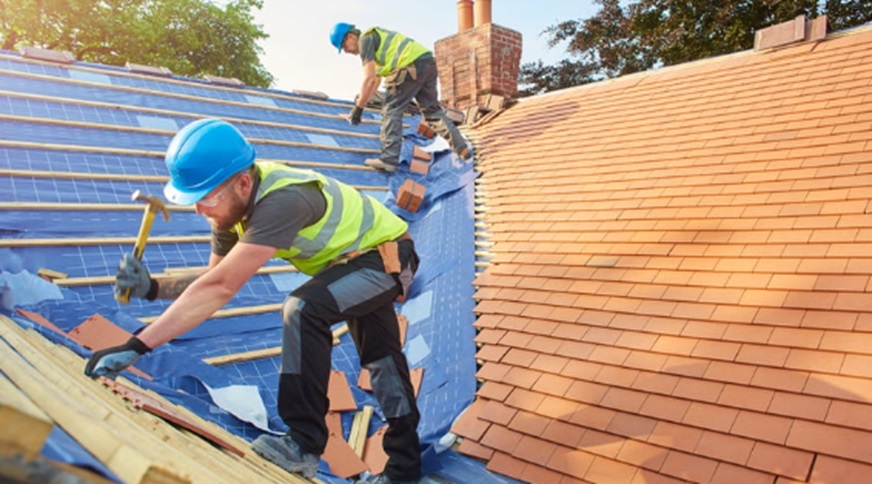
The roof over your head plays a pivotal role in protecting your home and loved ones. Over time, weather elements and natural wear can take a toll on its integrity. One effective way to ensure your roof remains in top condition is by investing in professional roofing services in Canton. Reliable roofing professionals not only address visible damages but also identify hidden issues before they become costly problems. By leveraging their expertise and modern tools, you can add years to your roof’s lifespan and safeguard your home.

Importance of Regular Roof Maintenance

Regular roof maintenance is crucial for preventing minor issues from escalating into major repairs. While it might seem easy to overlook small problems, such as loose shingles or clogged gutters, they can significantly weaken the structure of your roof over time.

Professional roofing services schedule inspections and maintenance to catch these issues early. Their attention to detail ensures that areas prone to leaks or damage are addressed promptly. This proactive approach helps avoid potential structural damage and extends your roof’s durability.

Benefits of Timely Inspections

Timely inspections can make all the difference in preserving your roof. Trained roofing experts notice details that the untrained eye might miss, such as small cracks, deteriorating flashing, or sagging areas. Catching these issues in time prevents water intrusion, mold, and rot—all of which can compromise your home’s safety.

Additionally, professionals offer advice on making necessary improvements, like upgrading materials or enhancing ventilation, which can further extend the lifespan of your roof. These solutions are tailored to your home’s specific needs, adding an extra layer of protection for the years to come.

The Role of Quality Repairs

Even the sturdiest roofs are not immune to occasional wear and tear. Without prompt repairs, small damages can snowball into expensive replacements. Roof repairs, when done professionally, reinforce your roof’s structure and restore its functionality.

Whether it’s patching up leaks, replacing damaged shingles, or sealing exposed areas, skilled technicians utilize advanced techniques and durable materials to ensure lasting results. These fixes protect the roof from further degradation, helping to maintain its quality for a prolonged period.

Why Choose Professional Roofers?

Choosing professionals ensures quality craftsmanship that stands the test of time. Unlike guesswork, trained roofers deliver repairs based on an in-depth understanding of roofing systems. Furthermore, roofing contractors often use durable and high-performance materials that improve your roof’s longevity.

Reliable companies also follow safety standards to complete the job efficiently without endangering anyone. With their expertise, even the most challenging roofing issues are resolved effectively, setting your home up for lasting protection.

Long-Term Savings Through Professional Services

Investing in professional roofing services is not just about fixing immediate problems. It’s a long-term strategy that can save you money. Proper maintenance and professional repairs eliminate the need for frequent fixes, which can accumulate in cost over time.

Additionally, extending your roof’s lifespan postpones the need for a complete replacement—one of the more significant expenses for homeowners. With professional services in place, your roof remains durable through the years, providing both peace of mind and financial savings.

A More Sustainable Solution

Not only do professional services enhance efficiency, but they also promote sustainability. High-quality materials and expert repairs reduce the waste associated with frequent replacements or endless patchwork. This environmentally conscious approach ensures you’re not just protecting your home but also making a positive impact on the planet.

The Value of Expert Advice

One of the key benefits of working with professionals is access to expert advice. Experienced roofers provide helpful insights into maintaining your roof’s condition and offer guidance on the best materials suited to your climate.

For example, if your roof faces significant sun exposure or heavy snowfall, they can recommend weather-resistant materials. Their tailored recommendations ensure your roof is prepared to withstand the unique challenges posed by your environment, helping it stand strong throughout its lifespan.

Conclusion

Your home deserves the best protection possible, and a durable roof is a big part of that. Professional roofing services provide the care and expertise needed to keep your roof in optimal condition for years. From inspections to timely repairs, their comprehensive approach ensures the longevity and performance of one of your most important assets.

If you’re unsure where to start, scheduling maintenance can be the first step to a safer, stronger roof. By addressing potential issues early and relying on the expertise of professionals, you’re investing in the long-term well-being of your roof and home.


Historical Use of Asbestos in Construction

Asbestos was once hailed as a miracle material due to its resistance to heat and corrosion. It became a staple in construction, particularly from the late 19th century until the late 20th century. Builders used it extensively in various applications, from insulation to fireproofing. Despite its benefits, the health risks associated with asbestos were not immediately apparent, leading to widespread use in many commercial structures.

Common Locations of Asbestos in Buildings

In commercial buildings, asbestos can be found in numerous areas:

  • Roofing Materials: Often used in shingles and underlayment.
  • Insulation: Common in pipes, boilers, and ductwork.
  • Flooring: Vinyl tiles and adhesives frequently contained asbestos.
  • Ceiling Tiles: Particularly those with acoustic properties.
  • Fireproofing Materials: Sprayed coatings and plasters.

These materials, if disturbed, can release asbestos fibers into the air, posing a risk to occupants.

Identifying Asbestos in Older Structures

Identifying asbestos in older buildings requires a thorough asbestos report conducted by professionals. This involves:

  1. Inspecting suspected asbestos-containing materials (ACMs).
  2. Taking samples for laboratory analysis.
  3. Assessing the condition of the ACMs to determine potential risks.

It’s crucial to engage certified experts to handle this task to ensure safety and compliance with regulations. Regular inspections can help in managing the presence of asbestos and planning for any necessary abatement.

Health Risks Associated with Asbestos Exposure

Types of Diseases Linked to Asbestos

Asbestos exposure is notorious for its severe health implications, primarily causing various forms of cancer. Lung cancer and mesothelioma are the most prevalent diseases associated with asbestos. Mesothelioma, a cancer affecting the lining of the lungs and abdomen, is exclusively linked to asbestos exposure. Additionally, asbestos can lead to cancers of the larynx, ovaries, and gastrointestinal tract. Even short-term exposure to asbestos dust can significantly increase the risk of developing these conditions, making it crucial to manage and mitigate asbestos exposure in environments where it is present. For more information on the risks of short-term exposure, see this article.

Long-Term Health Implications

The latency period of asbestos-related diseases can be alarmingly long, often taking 20 to 60 years to manifest. This long delay between exposure and the onset of symptoms makes it challenging to diagnose and treat these diseases early. Asbestosis, a chronic lung disease caused by inhaling asbestos fibers, is another serious condition that can develop, leading to progressive lung damage and respiratory failure over time. The long-term implications of asbestos exposure underscore the necessity for stringent safety protocols and regular health monitoring for individuals who have been exposed.

Vulnerable Populations and Asbestos

Certain groups are more susceptible to the dangers of asbestos exposure. Workers in construction, demolition, and shipbuilding industries are at a heightened risk due to the nature of their work. Family members of these workers can also be affected through secondary exposure, as asbestos fibers can be carried home on clothing and equipment. Furthermore, older buildings that still contain asbestos pose a risk to occupants and maintenance workers. Protecting these vulnerable populations requires comprehensive safety measures, including protective gear, regular health screenings, and thorough asbestos management plans.

Regulatory Framework Governing Asbestos in Commercial Properties

Key Regulations and Guidelines

When it comes to managing asbestos in commercial buildings, understanding the regulatory landscape is crucial. Federal regulations play a significant role in ensuring safety. The National Emission Standards for Hazardous Air Pollutants (NESHAP), under the Clean Air Act, sets stringent guidelines for the demolition and renovation of structures to prevent asbestos exposure. Additionally, the Asbestos Hazard Emergency Response Act (AHERA) mandates that only certified professionals handle asbestos-containing materials, especially in public and educational buildings. Compliance with these federal guidelines is non-negotiable.

Role of OSHA and EPA

The Occupational Safety and Health Administration (OSHA) and the Environmental Protection Agency (EPA) are pivotal in regulating asbestos management. OSHA focuses on workplace safety, ensuring that workers are protected from asbestos exposure through stringent safety standards and training requirements. The EPA, on the other hand, oversees environmental regulations, including the reduction of asbestos fibers released into the air during handling activities. Both agencies work in tandem to minimize health risks associated with asbestos.

State and Local Compliance Requirements

Beyond federal oversight, state and local governments impose additional regulations that can be even more stringent. These rules vary significantly across different jurisdictions, requiring property owners to stay informed about local laws. For instance, some states may require more frequent inspections or specific disposal methods for asbestos-containing materials. Property managers must navigate these layers of regulation to avoid penalties and ensure the safety of building occupants.

Asbestos Management and Safety Protocols

Developing an Asbestos Management Plan

Creating a solid asbestos management plan is essential for any commercial building that might contain asbestos. This plan should start with a comprehensive survey to identify asbestos-containing materials (ACMs) and assess the condition and risks associated with them. It’s crucial to keep an updated asbestos register that logs the location, type, and condition of ACMs. Regular inspections should be scheduled to ensure no changes in the condition of these materials. The plan must also outline procedures for emergency situations, such as accidental disturbance of asbestos.

Training and Protective Measures

Training is a key component in managing asbestos risks. Employees, especially those involved in maintenance and construction, must be educated about the dangers of asbestos and the safety procedures they need to follow. Providing personal protective equipment (PPE) is vital when workers are potentially exposed to asbestos fibers. This includes respirators and protective clothing to minimize exposure. Regular training sessions should be held to keep everyone informed about the latest safety protocols.

Monitoring and Maintenance Procedures

Ongoing monitoring is necessary to ensure the safety of building occupants. This involves air quality testing to detect any asbestos fibers in the environment. Maintenance procedures should include regular checks on the condition of ACMs and prompt repairs if any damage is found. It’s also important to have a system in place for reporting and addressing any suspected asbestos disturbances. By following these requirements for managing asbestos, building managers can comply with regulations and protect the health of everyone who uses the building.

Renovation and Demolition Considerations for Asbestos-Containing Buildings

Pre-Demolition Surveys and Testing

Before any renovation or demolition begins, it’s crucial to conduct a thorough survey to identify asbestos-containing materials (ACMs). This involves hiring a certified asbestos professional to assess the building and determine the presence and condition of ACMs. Testing is mandatory to ensure the safety of workers and occupants. The survey should focus on common areas like flooring, walls, ceilings, and insulation. Identifying asbestos early can prevent dangerous exposure during construction activities.

Safe Removal and Disposal Practices

Once asbestos is identified, safe removal and disposal become a priority. Engaging licensed abatement contractors is essential. They use specialized techniques such as encapsulation, enclosure, and removal to manage asbestos safely. Removal is often necessary during demolitions to eliminate exposure risks. It’s also important to follow strict disposal regulations to prevent environmental contamination. For more on handling and disposing of asbestos, consider exploring safe methods for handling asbestos.

Legal Obligations During Renovation

Legal requirements for asbestos management are governed by various regulations, including the National Emission Standards for Hazardous Air Pollutants (NESHAP) and the Asbestos Hazard Emergency Response Act (AHERA). These laws mandate that only trained professionals handle asbestos and that all activities comply with federal, state, and local guidelines. Failure to adhere to these regulations can result in hefty fines and legal consequences. Property owners must stay informed about their obligations to ensure compliance and safety.

Insurance and Liability Concerns Related to Asbestos

Impact on Property Insurance

When it comes to property insurance, asbestos can be a significant factor. Insurance companies often view asbestos as a high-risk element due to potential health hazards and the costs associated with its removal. Asbestos presence can increase premiums or even lead to denial of coverage. Policies may require property owners to conduct regular inspections and maintain an asbestos register. This register serves as a record of asbestos locations within the building, ensuring that both the insurer and the insured are aware of potential risks.

Liability for Property Owners

Property owners have a legal responsibility to manage asbestos risks effectively. Failure to do so can result in serious legal consequences. Asbestos liability refers to the legal obligation of property owners to ensure that asbestos-related risks are minimized. If someone is exposed to asbestos on their property and suffers health issues, the owner could face lawsuits and substantial financial penalties. Thus, it’s crucial for property owners to engage in regular inspections and adhere to safety regulations to mitigate these risks.

Risk Mitigation Strategies

Mitigating asbestos-related risks involves several proactive strategies:

  • Regular Inspections: Conduct periodic inspections to identify and assess asbestos risks.
  • Asbestos Management Plan: Develop and implement a comprehensive plan to manage asbestos safely.
  • Professional Consultation: Hire certified asbestos consultants to evaluate and manage asbestos risks effectively.

By implementing these strategies, property owners can reduce their liability and ensure a safer environment for occupants and visitors.

Technological Advances in Asbestos Detection and Removal

Innovative Testing Methods

In recent years, the field of asbestos detection has seen significant technological progress. One of the leading approaches is Transmission Electron Microscopy (TEM), which uses electron beams for precise analysis. This method stands out for its ability to detect even the smallest asbestos fibers, ensuring accurate assessments. TEM has been further enhanced to improve its effectiveness, making it a reliable choice for asbestos testing.

Modern Abatement Techniques

Once asbestos is detected, the next step is removal. Modern abatement techniques prioritize safety and efficiency. The process often begins with sealing off the work area using plastic sheeting and tape to prevent contamination. A negative pressure environment is maintained with exhaust units equipped with HEPA filters to ensure no asbestos fibers escape. Here are some key steps involved:

  • Wetting down asbestos materials before removal to minimize dust.
  • Using specialized vacuums and wet mops for cleanup.
  • Conducting air monitoring to ensure safety throughout the process.

Future Trends in Asbestos Management

Looking ahead, the future of asbestos management is promising with continued technological advancements. Innovations in detection and removal are expected to further reduce risks associated with asbestos exposure. As technology evolves, we can anticipate more efficient and safer methods for managing asbestos in commercial buildings. Embracing these advancements will be crucial in safeguarding public health and maintaining safe environments.

Environmental Impact of Asbestos in Commercial Settings

Asbestos and Air Quality

Asbestos, when disturbed, releases tiny fibers into the air. These fibers can linger, posing a risk to anyone nearby. Air quality can be severely affected, especially in older buildings where asbestos materials might be deteriorating. Individuals working or residing in such environments may face increased exposure if proper precautions aren’t taken. Regular monitoring of air quality is essential to detect any asbestos fibers in the atmosphere, ensuring that safety measures can be implemented promptly.

Waste Management Challenges

Disposing of asbestos waste is not straightforward. It requires careful handling and adherence to strict regulations to prevent contamination. Improper disposal can lead to environmental pollution, affecting soil and water sources. Facilities must follow designated procedures to transport and dispose of asbestos waste safely. This involves using specialized containers and ensuring that waste is deposited in approved landfills designed to handle hazardous materials.

Sustainable Practices for Asbestos Disposal

To minimize environmental impact, sustainable practices in asbestos disposal are gaining attention. These practices include recycling certain asbestos materials where possible and using advanced technologies to neutralize its harmful effects. Emphasizing eco-friendly methods in handling asbestos waste not only protects the environment but also aligns with broader goals of sustainability. Organizations are encouraged to adopt these practices to reduce their ecological footprint while maintaining compliance with environmental regulations.

Case Studies of Asbestos Management in Commercial Buildings

Successful Asbestos Abatement Projects

In examining successful asbestos abatement projects, it’s clear that a well-structured plan is essential. One notable example is the cleanup effort at the historic former Marine Corps Air Station Hangar after a fire on November 7, 2023. The response, led by ATI, demonstrated the importance of quick action and thorough assessment. Key steps included:

  • Initial assessment and identification of asbestos-containing materials.
  • Development of a comprehensive abatement plan tailored to the specific needs of the site.
  • Execution of the plan by certified professionals to ensure safety and compliance.

These steps underscore the need for meticulous planning and execution in managing asbestos risks effectively.

Lessons Learned from Past Incidents

Past incidents have taught us valuable lessons about handling asbestos in commercial buildings. One critical takeaway is the importance of early detection and intervention. Delays in addressing asbestos can lead to increased health risks and legal complications. For example, in older buildings, routine maintenance activities like HVAC cleaning can inadvertently disturb asbestos fibers if not properly managed. Thus, a proactive approach is crucial.

Best Practices in Asbestos Risk Management

Implementing best practices in asbestos risk management involves:

  1. Regular inspections by qualified professionals to identify potential asbestos hazards.
  2. Continuous training for staff on asbestos awareness and safety protocols.
  3. Establishing clear communication channels to ensure that all stakeholders are informed about asbestos management plans.

By adhering to these practices, building owners can minimize risks and maintain a safe environment for occupants.

The Role of Professional Asbestos Consultants

Importance of Hiring Certified Experts

When dealing with asbestos in commercial buildings, hiring certified experts is not just a recommendation—it’s a necessity. These professionals possess the specialized knowledge and skills to identify, assess, and manage asbestos risks effectively. Without proper certification, individuals may overlook critical details, leading to potential health hazards. Certified consultants are trained to adhere to regulations, ensuring that all procedures comply with legal standards, which is crucial for both safety and liability.

Consultant Services and Offerings

Professional asbestos consultants provide a range of services to help manage asbestos in commercial properties efficiently. These services typically include:

  • Comprehensive Surveys: Conducting thorough inspections to locate and identify asbestos-containing materials (ACMs).
  • Risk Assessments: Evaluating the condition and potential risk of identified asbestos materials.
  • Management Plans: Developing detailed plans to manage and mitigate asbestos risks, including maintenance and monitoring strategies.

These offerings are designed to minimize exposure and ensure a safe environment for building occupants.

Choosing the Right Asbestos Consultant

Selecting the right consultant is a critical step in managing asbestos risks. It’s important to consider several factors:

  1. Certification and Qualifications: Ensure the consultant holds the necessary credentials and has experience in handling asbestos in commercial settings.
  2. References and Reviews: Look for testimonials or case studies that demonstrate the consultant’s track record of successful projects.
  3. Communication Skills: A good consultant should clearly explain the processes and keep all stakeholders informed throughout the project.

Making an informed choice can significantly impact the effectiveness of asbestos management efforts, safeguarding both health and property.

Websites

Gori Law

Mesothelioma Guide

Mesothelioma Hope

Mesothelioma.Net

Mesothelioma Fund

Dolman Law

Tor Hoerman Law

Robert King Mesothelioma Law Services

Weitz and Luxenberg

Lung Cancer Group

Mesothelioma Hub

Mesothelioma Help

Mesothelioma Lawyer Center

 

A covered porch is a fantastic addition to any home, offering both charm and functionality. The right flooring not only enhances the beauty of covered porches in Alpharetta but also ensures durability that withstands the elements. Understanding your options and their benefits can help you make the perfect choice for your space.

Factors to Consider When Choosing Porch Flooring

When selecting the right flooring for your covered porch, several factors come into play. Here are some key aspects to keep in mind:

  1. Weather Resistance

Although covered porches are shielded from direct rainfall and sunlight, they are still susceptible to changes in temperature and humidity. Choosing materials that resist warping, cracking, or fading is essential for long-lasting performance.

  1. Maintenance Requirements

Some materials require regular upkeep, while others are nearly maintenance-free. Consider how much time and effort you’re willing to invest in cleaning and maintaining your porch floor.

  1. Style and Aesthetics

Your porch flooring should complement your home’s architectural style and décor. Whether you prefer rustic textures or sleek designs, there’s an option that will suit your taste.

  1. Cost and Longevity

Balance your budget with the lifespan of the material. Cheaper options may save money upfront but could require replacement sooner than more durable choices.

Best Flooring Options for Covered Porches

To make your porch look appealing and withstand daily wear, here are some of the most popular flooring options to consider.

Wood

Wood flooring gives your covered porch a warm and natural look. Whether it’s cedar, redwood, or pressure-treated pine, wooden floors are classic favorites. Opt for weatherproof sealants and regular maintenance to preserve their appearance.

Porcelain Tile

Porcelain tiles are both stylish and durable. Resistant to moisture, stains, and scratches, they’re an excellent choice for high-traffic areas. Plus, their wide range of patterns and colors can fit almost any design preference.

Composite Decking

Made from a blend of wood fibers and recycled plastic, composite decking is a low-maintenance and eco-friendly option. It mimics the appearance of wood while offering superior resistance to mildew, fading, and insects.

Brick or Stone Pavers

Brick or stone pavers add a durable, classic touch to your porch. Their rich textures and natural appeal are excellent for creating a welcoming atmosphere. These materials also tie in beautifully with outdoor features, enhancing the connection between your porch and the surrounding landscape, as explained in ways to boost your home’s outdoor charm.

Stained Concrete

For a modern, budget-friendly option that’s easy to clean, stained concrete is worth considering. With numerous color variations and patterns, it’s a versatile material that can match various home designs.

Tips to Help You Decide

Evaluate the Area’s Needs

Think about how you plan to use your porch. A seating area may prioritize aesthetics, while a high-traffic space might need durable, easy-to-clean materials.

Test Comfort and Safety

Consider how the flooring feels underfoot, especially if you walk barefoot often. Also, ensure the material you choose is slip-resistant for added safety.

Consult with Professionals

If you’re unsure about which material is best for your covered porch, professional guidance can help you weigh your options and make an informed decision.

By carefully assessing your preferences and practical needs, you’ll find the ideal flooring to elevate your porch’s charm and functionality. Enjoy a space that’s both stylish and welcoming for years to come!

When planning an outdoor space upgrade, many homeowners consider adding a deck. However, the choice between pre-made, modular options and custom decks can be challenging. According to many professionals, a custom deck builder in Alpharetta is often the best choice for a long-lasting, visually appealing addition to a home. Custom decks offer unique advantages in design, durability, and functionality, making them a top recommendation among experienced builders. In this article, we will see why custom decks are preferred by professionals and why they might be the right choice for your home.

1. Tailored Design and Functionality

One of the most compelling reasons deck builders recommend custom decks is the ability to create a unique design that perfectly matches a home’s architecture and the homeowner’s vision. Custom decks are designed to accommodate the layout, elevation, and specific features of the property. Whether you want built-in seating, custom lighting, or specific materials, a custom deck allows these features to be seamlessly integrated. For example, a custom deck builder in Alpharetta can adjust the deck to fit a hilly yard or incorporate features for an entertainment-focused space, making it both practical and visually appealing.

2. High-Quality Craftsmanship and Materials

Custom decks often feature higher-quality craftsmanship and materials compared to modular or DIY deck kits. Licensed deck builders are skilled in techniques that enhance the durability and aesthetic of the deck, using premium materials that are weather-resistant and built to last. According to this blog, custom-built decks are crafted to withstand specific local climate challenges. This ensures that they remain sturdy and visually appealing for years. This results in a deck that not only adds beauty but also value to the property.

3. Personalized Features and Options

Custom decks allow for the addition of special features that can make the space more enjoyable and usable. Some homeowners may want a deck that includes built-in planters, customized railings, or even an outdoor kitchen. Others may focus on privacy features, such as lattice walls or greenery. Since custom decks are specifically designed for the homeowner’s needs, they can be adapted for a range of activities—from family gatherings to relaxation. For homeowners who frequently entertain or use their outdoor space, a custom deck can be an extension of their indoor living area, providing a unique, personalized touch.

4. Enhanced Durability and Long-Term Value

Custom decks are an investment that can increase a home’s resale value, particularly if they’re constructed with high-quality materials that stand the test of time. Deck builders often recommend custom options because they use durable materials such as composite, cedar, or pressure-treated wood, which help extend the life of the deck. Additionally, custom decks are built to meet building codes and safety standards, adding to their structural integrity. When it’s time to sell the home, a well-designed and maintained custom deck is likely to appeal to potential buyers, increasing the overall market value of the property.

5. Flexible Construction Timeline

Although custom decks can take longer to design and build compared to pre-made options, the flexibility of the timeline allows for a detailed, high-quality finish. For homeowners interested in knowing how long a custom project may take, professional builders offer insights that can help set realistic expectations. The extended timeline of a custom build ensures that each phase, from design to installation, is completed carefully and thoroughly, resulting in a structure built to last.

6. Seamless Integration with the Landscape

Another reason deck builders recommend custom decks is their ability to integrate seamlessly with the surrounding landscape. Custom decks can be designed to complement the natural environment, from working around trees and uneven ground to blending with nearby gardens or lawns. This integration not only enhances the beauty of the space but also ensures the deck feels like a natural extension of the home. By incorporating landscaping elements, such as multi-level sections or built-in planters, a custom deck provides a natural, harmonious look that is often impossible with pre-fabricated options.

7. Long-Term Cost Efficiency

While custom decks may have a higher upfront cost, they are often more cost-effective in the long run. The quality of materials and construction reduces the likelihood of frequent repairs or replacements, leading to lower maintenance costs. Deck builders highlight that custom decks, designed with durability and ease of care in mind, save homeowners time and money over the years. This long-term investment not only pays off in terms of functionality but also in financial savings.

Conclusion

In summary, custom decks offer unparalleled advantages in terms of design flexibility, quality, and integration with the property. Deck builders recommend custom decks because they meet the specific needs of each homeowner, enhance the property’s appeal, and add significant value to the home. For anyone considering a deck addition, consulting with an experienced deck builder can provide valuable insights and help turn the vision of a dream outdoor space into reality.

In recent years, Accessory Dwelling Units (ADUs) have become a significant trend in California’s real estate landscape. These self-contained living spaces, often referred to as granny flats or in-law suites, provide homeowners with the flexibility to create additional rental income, accommodate extended family, or even enhance the value of their property. With California’s ongoing housing crisis, the demand for ADUs has only grown, making them an appealing option for both homeowners and investors. This article will delve into the benefits of building an ADU in California, the regulatory environment, and how homeowners can take advantage of this opportunity.

The Rising Popularity of ADUs in California

California has long faced a housing shortage, with high demand for homes and limited availability, especially in urban areas. In response to this crisis, the state has been actively promoting the development of ADUs. These units offer a viable solution to the housing issue by increasing density without altering the character of neighborhoods. The state’s push to make it easier for homeowners to build ADUs has led to numerous legislative changes in recent years. These changes have streamlined the approval process, reduced fees, and provided incentives to encourage ADU construction.

One of the driving factors behind the popularity of ADUs in California is their versatility. Whether as a rental unit, a home office, or a space for elderly relatives, an ADU provides homeowners with a cost-effective way to maximize the potential of their property. With the right design, an ADU can add significant value to a home, making it a worthy investment.

Benefits of Building an ADU in California

For California homeowners, building an ADU offers a range of benefits. One of the most appealing advantages is the potential for additional income. Renting out an ADU provides homeowners with a steady stream of revenue, which can help cover mortgage payments, property taxes, or other expenses. With California’s high rental demand, especially in cities like Los Angeles, San Francisco, and San Diego, the rental income potential from an ADU is substantial.

Another benefit is the increased property value. Homes with ADUs are often valued higher than comparable properties without them. This added square footage, whether used for rental purposes or as additional living space, makes a property more attractive to potential buyers. In a

competitive real estate market, an ADU can make a significant difference in a property’s marketability and selling price.

ADUs also offer a unique opportunity for multigenerational living. Many families in California are turning to ADUs as a way to accommodate elderly parents, adult children, or other relatives who need their own space but want to remain close by. The self-contained nature of an ADU allows for privacy while still maintaining proximity to family members, creating a living arrangement that can benefit everyone involved.

Navigating California’s ADU Regulations

While building an ADU in California offers numerous advantages, it’s essential to understand the regulations that govern these units. California has made strides in simplifying the approval process for ADUs, but there are still some important factors to consider before starting construction.

First, homeowners should familiarize themselves with local zoning laws. Although the state has passed legislation to encourage ADU construction, each city and county may have different requirements regarding setbacks, lot sizes, height restrictions, and other factors. Some municipalities may have additional regulations or design standards that need to be followed.

Therefore, it’s crucial to consult with local authorities or a qualified architect to ensure that your ADU project complies with all necessary rules.

In addition to zoning laws, building codes must also be followed. ADUs must meet specific safety standards, including proper electrical wiring, plumbing, and insulation. Homeowners should work with licensed contractors and construction professionals who are familiar with California’s building codes and the particular requirements for ADU construction. This will help ensure that the ADU is safe, functional, and up to code.

The state has also introduced incentives to make building an ADU more affordable. For example, some programs offer financial assistance or reduced fees for homeowners who build ADUs. There are also streamlined permitting processes in place for certain types of ADUs, such as those that are built within an existing structure, like a garage conversion. Understanding these incentives can help homeowners save money and time during the construction process.

Financing Your California ADU Project

Financing an ADU project in California can be a bit more complex than a traditional home renovation. However, there are various financing options available to homeowners who want to build an ADU on their property.

One popular option is to take out a home equity loan or home equity line of credit (HELOC). Since an ADU increases the value of your property, lenders are often willing to offer favorable loan terms for homeowners who are adding a unit. These loans allow homeowners to borrow

against the equity in their home, using the property’s value as collateral. This type of financing is ideal for homeowners who have built up significant equity and want to invest in an ADU.

Another option is a construction loan, which is a short-term loan designed specifically for building projects. Construction loans are typically paid out in installments, with the lender releasing funds as the construction progresses. Once the ADU is completed, the loan can be converted into a traditional mortgage.

There are also specialized financing programs for ADUs in California. Some state programs offer low-interest loans or grants to help homeowners build ADUs, particularly those in

lower-income communities. These programs aim to make ADUs more accessible to a broader range of homeowners, including those who may not have the financial resources to pay for the construction upfront.

The Future of ADUs in California

The future of ADUs in California looks bright, as the state continues to prioritize affordable housing solutions. As the population grows and the demand for housing increases, ADUs will likely play an even more significant role in meeting the housing needs of Californians. The state is expected to continue refining its policies to make building ADUs easier and more affordable, which will open up opportunities for homeowners to invest in these units.

With rising home prices and rental costs, ADUs offer a practical solution for homeowners who want to generate income, increase their property value, or create space for family members. As the demand for housing remains high, California ADUs will continue to be an essential part of the state’s strategy to tackle the housing crisis.

Imagine stepping into your backyard and being greeted by the perfect patio space; a sanctuary that melds comfort with style, where you can unwind, entertain, and enjoy the beauty of the outdoors. 

Creating your dream patio is not just about having a place to sit; it’s about crafting an extension of your home that enhances your living experience. This post will offer inspiring ideas to bring your dreams to life.

Understand Your Vision

Every great patio starts with a clear vision. Begin by asking yourself what you want from this outdoor space. Are you looking for a serene retreat for quiet mornings with your coffee, or a vibrant area for hosting family and friends? 

Consider the functionality you need, the aesthetic that appeals to you, and the budget you have in mind. These elements will guide your planning process. 

Work with the Right Patio Contractors

Often, the success of a patio project hinges on choosing the right contractor. Look for professional patio contractors with proven track record in patio design and construction. Check reviews and ask for references to gauge their reliability and quality of work. 

A good contractor will communicate clearly, offer valuable insights, and respect your vision and budget. Collaborating with the right team can make the difference between a stressful experience and a satisfying one, resulting in a patio that exceeds your expectations.

Choose the Right Materials

Materials are the building blocks of your patio, influencing both its durability and visual appeal. When selecting materials, think about your climate and how much maintenance you’re willing to undertake. 

Flagstone and brick offer a classic look and are highly durable, while wood provides warmth and a natural touch, though it requires more care. If longevity and low upkeep are priorities, consider composite materials.

For a seamless transition from your driveway to your dream patio, professionally installed Tarmac Drives Cheshire offer durability, low maintenance, and a sleek finish that complements any outdoor living space.

Design for Comfort and Style

With your vision in place and materials selected, it’s time to focus on comfort and style. Furniture plays a crucial role here. Opt for pieces that blend with the aesthetic you desire, whether it’s modern, rustic, or coastal. Comfort is key, so look for chairs and loungers with plush cushions. 

Don’t forget to add personal touches with decor elements like outdoor rugs and throw pillows, which can instantly elevate the coziness factor. 

Incorporate Greenery and Lighting

Nature and light can transform a patio from ordinary to extraordinary. Plants and flowers add life and color, softening hard lines and creating a connection with your garden. Choose a mix of pots and planters to enhance visual interest. 

Lighting is equally important; it extends the usability of your patio into the evening and adds ambiance. String lights, lanterns, and solar-powered options can create a warm glow that invites relaxation. 

Maximize Space and Storage

A well-organized patio is both functional and aesthetically pleasing. Maximize your space by choosing multi-functional furniture, like benches with built-in storage or a coffee table that doubles as a cooler. Vertical gardens or wall-mounted planters can save space while adding greenery. 

Be deliberate with your layout to ensure easy movement and optimal use of the area. Creative storage solutions will help you maintain a clutter-free environment, allowing your patio’s beauty to shine.

Proper preparation is essential for a successful deck installation project. Homeowners can enhance their outdoor living space by engaging a reputable deck construction contractor in Columbus, who can guide them through the preparation process. A well-prepared property not only facilitates a smoother installation but also contributes to the longevity and stability of the new deck structure.

Site Evaluation and Planning

The first step in preparing for a deck installation involves a thorough site evaluation. This process includes assessing the terrain, identifying potential obstacles, and determining the optimal location for the deck. Professional contractors will consider factors such as sun exposure, drainage patterns, and existing landscaping features. They will also evaluate the soil composition and stability to ensure a solid foundation for the deck. During this phase, homeowners should discuss their vision and preferences with the contractor to create a design that complements their property and meets their needs. This collaborative approach helps in developing a comprehensive plan that addresses all aspects of the installation process.

Obtaining Necessary Permits

Before starting any construction, obtaining the necessary permits from local authorities is essential. The process for securing these permits varies depending on the project’s location and scale. A reputable deck contractor will take charge of this aspect, ensuring that all work complies with local building codes and regulations. Homeowners may need to provide essential documentation, such as property surveys or architectural drawings, to support the permit application. Additionally, knowing how long it takes to build a deck can significantly aid in planning the overall timeline, including the permitting phase. This preparation helps ensure a smoother construction process and minimizes unexpected delays.

Clearing and Preparing the Site

Once the planning and permitting stages are complete, the focus shifts to preparing the physical site for construction. This involves clearing the area where the deck will be built, which may include removing existing structures, vegetation, or debris. The ground may need to be leveled or graded to ensure proper drainage away from the house and the future deck. In some cases, excavation might be necessary to accommodate footings or a concrete slab foundation. Homeowners should work with their contractors to identify any underground utilities or irrigation systems that need to be considered during this phase. Thorough site preparation is essential for establishing a stable and long-lasting deck structure.

Material Selection and Delivery

Selecting the right materials for your deck is a crucial part of the preparation process. Factors to consider include durability, maintenance requirements, aesthetics, and budget. Common decking materials include pressure-treated lumber, composite decking, and tropical hardwoods. Your contractor can provide insights into the pros and cons of each option, helping you make an informed decision. Once materials are chosen, arrangements need to be made for delivery and storage. Homeowners should designate a secure, accessible area for material storage that doesn’t interfere with the construction process or daily activities. Proper material handling and storage protect the investment and ensure the quality of the finished deck.

Conclusion

Preparing your property for a deck installation involves careful planning and collaboration with a skilled contractor. By understanding the essential steps from site evaluation and permitting material selection, you can set the stage for a successful project that enhances your outdoor living space. As you embark on this journey, it’s crucial to have open communication with your contractor. To ensure you’re making the right choice, consider the key questions to ask your deck contractor before hiring. This proactive approach will help you achieve a beautifully crafted deck that meets your needs and stands the test of time.

Have you ever wondered about the hidden heroes of your HVAC system? That’s right your ducts! While they work tirelessly behind the scenes, they can become compromised over time, leading to inefficiencies and discomfort in your home. If you notice any of the following signs, it might be time to call in a professional for duct repair.

1. Dirty Air Vents

If you are noticing dust and dirt accumulating around your air vents, that’s a red flag. This buildup can indicate that your duct system isn’t filtering the air properly. When your HVAC system operates, it should be circulating clean, conditioned air. If it’s not, the dirt and dust can find its way into your living space, making your home less healthy and comfortable.

2. Unusual Noises

Is your ductwork sounding more like a haunted house than a cozy home? While every HVAC system has its usual sounds, listen for unusual vibrations or loud metallic noises. These could signal a serious issue with your ducts, causing your system to work harder to maintain temperature leading to inefficiencies and potential damage.

3. Skyrocketing Energy Bills

If your energy bills have suddenly spiked, it may not just be the weather. Faulty ductwork can lead to significant energy loss up to 30% meaning your HVAC system has to work overtime to keep your home comfortable. If you find yourself using more energy but feeling less comfortable, it’s time for an inspection.

4. Inconsistent Airflow

Do some rooms feel stuffy while others are too cold? Uneven airflow can indicate cracks, tears, or poor sealing in your ducts. When air leaks occur, your HVAC system struggles to deliver consistent temperatures throughout your home. If you notice significant differences in airflow, don’t wait to call a professional for duct repair.

5. Allergy and Respiratory Symptoms

Have you or your family members been experiencing more sneezing, coughing, or respiratory issues? Poor air quality due to duct leaks or contamination can circulate allergens like dust, pollen, and pet dander throughout your home. If your symptoms seem to worsen indoors, addressing your duct health could improve your quality of life.

When to Call Scottsdale Air Heating & Cooling

If you recognize any of these signs, don’t hesitate to contact Scottsdale Air Heating & Cooling. Our expert technicians can assess your ductwork, recommend necessary repairs, and ensure your HVAC system runs efficiently, improving your home’s comfort and air quality.

Don’t let duct problems linger reach out today to schedule a professional inspection!


In Brisbane’s dynamic and often fluctuating real estate market, overpaying for a property is a real risk, especially for first-time buyers or those unfamiliar with market conditions. Buyers Agent Brisbane play an indispensable role in ensuring that their clients avoid this financial pitfall. With in-depth knowledge of the market, negotiation expertise, and access to crucial data, buyers agents are uniquely positioned to help clients secure properties at fair or below-market prices. This article provides a detailed look at how buyers agents in Brisbane utilize a data-driven approach to help buyers avoid overpaying, supported by real-world statistics.

  1. Comprehensive Market Research: Leveraging Data for Accurate Pricing

One of the most effective ways buyers agents help clients avoid overpaying is by conducting exhaustive market research. Buyers agents utilize tools like Comparative Market Analysis (CMA), which compares a property’s price against similar properties that have recently sold in the same area.

  • Example: Brisbane Suburb Data – In suburbs like New Farm and West End, buyers agents consistently use CMA data to help clients purchase properties at prices 5-8% lower than the average sales price in those areas. By analyzing factors such as square footage, amenities, and neighborhood trends, buyers agents provide clients with a clear understanding of a property’s true market value.
  • Key Statistic: Properties purchased through buyers agents using CMA data in Brisbane are, on average, priced 6% lower than those bought by independent buyers.
  1. Expert Negotiation: Data-Backed Price Reductions

One of the key areas where buyers agents excel is negotiation. Unlike independent buyers, agents bring years of negotiation experience to the table, backed by data that strengthens their position. They know when a seller’s asking price is inflated and how to use market data to push for price reductions.

  • Brisbane Case Study: In 2023, a report showed that buyers agents in Brisbane helped their clients secure property discounts ranging from 3-7% below the asking price. In high-demand suburbs like Paddington and Bulimba, where bidding wars are common, this discount can amount to savings of $50,000 or more on properties priced over $1 million.
  • Key Statistic: Independent buyers in Brisbane tend to achieve price reductions of 1-3% on average, while buyers agents secure reductions of 4-7% due to stronger market insights and negotiation strategies.
  1. Timing the Market: Using Cyclical Data to Maximize Savings

Timing is everything in real estate, and buyers agents understand the cyclical nature of Brisbane’s property market. They use historical data and market trends to determine the best times to buy. This timing can lead to significant savings, especially when purchasing during low-demand periods or before an area experiences a price surge.

  • Brisbane Market Insight: Buyers agents in Brisbane often advise clients to buy during periods when interest rates are favorable and the market is less competitive. By analyzing sales trends, agents can identify potential price drops and forecast future increases. In 2022, data showed that buyers who followed their agents’ advice to purchase during a market lull saved $30,000-50,000 compared to those who bought during peak periods.
  • Key Statistic: Buyers who purchased properties in Brisbane’s lower-demand months (January–March) with the guidance of buyers agents saved an average of 6-10% compared to those buying during peak times.
  1. Access to Off-Market Properties: Reducing Buyer Competition

One of the biggest advantages of working with a buyers agent in Brisbane is access to off-market properties. These are homes that are not listed publicly but are available for sale through the agent’s network. Since these properties avoid the competitive bidding wars that public listings often face, buyers can secure them at more reasonable prices.

  • Off-Market Savings: A 2023 study revealed that buyers in Brisbane who purchased off-market properties through buyers agents paid 4-6% less than those who bought comparable properties on the open market. For properties valued at $900,000, this translates to savings of approximately $36,000-54,000.
  • Key Statistic: Off-market transactions facilitated by buyers agents in Brisbane resulted in average savings of 5.2% compared to public market purchases.
  1. Objective Decision-Making: Avoiding Emotional Bidding

Real estate purchases are often emotionally charged, especially in competitive markets. Buyers may feel pressure to overbid due to fear of missing out (FOMO) or because they have become emotionally attached to a property. Buyers agents help counteract this by offering an objective perspective and data-backed advice, ensuring that buyers stick to their budget.

  • Brisbane Survey Data: In a survey of homebuyers in Brisbane, 30% of those who purchased without an agent admitted to overpaying due to emotional bidding. In contrast, only 12% of those who worked with a buyers agent felt they overpaid, with most reporting that their agent helped them avoid exceeding their budget.
  • Key Statistic: Buyers agents help reduce instances of emotional overbidding by over 50%, resulting in significant savings for their clients.
  1. Preventing Costly Mistakes with Detailed Property Inspections

Buyers agents often recommend or conduct detailed property inspections to ensure that buyers are aware of any potential defects or maintenance issues. These inspections can reveal hidden costs that might not be immediately apparent, such as structural damage or the need for costly repairs. By identifying these issues early, buyers agents help clients negotiate repairs or price reductions.

  • Brisbane Inspection Statistics: In Brisbane, buyers agents who included thorough property inspections in their purchase process were able to negotiate an average of $10,000-15,000 in price reductions due to identified maintenance issues.
  • Key Statistic: In 2022, buyers agents in Brisbane helped their clients save an average of $12,500 per property by negotiating repairs or adjustments based on property inspection reports.
  1. Helping First-Time Homebuyers Avoid Overpaying: Education and Guidance

First-time buyers are particularly vulnerable to overpaying due to their lack of experience in the market. Buyers agents provide essential guidance and education throughout the process, helping first-time buyers avoid common pitfalls, such as overbidding, overlooking hidden costs, or underestimating the importance of property location.

  • Brisbane First-Time Buyer Stats: A report from 2022 indicated that first-time homebuyers who worked with buyers agents in Brisbane paid 5-7% less than those who navigated the market on their own. This savings can be especially significant in a market where median property prices are approaching $800,000.
  • Key Statistic: Buyers agents helped 80% of first-time buyers in Brisbane stay within their budget, compared to 55% of those who purchased without professional assistance.

Conclusion: Data-Driven Savings with Brisbane Buyers Agents

The data overwhelmingly supports the value of buyers agents in helping homebuyers avoid overpaying in Brisbane’s real estate market. By leveraging detailed market research, expert negotiation tactics, access to off-market properties, and thorough property inspections, buyers agents ensure their clients secure the best possible deals. For buyers, especially first-time or out-of-town buyers, the statistical advantages of using a buyers agent are clear: lower purchase prices, reduced emotional bidding, and increased access to hidden opportunities.

In Brisbane’s competitive market, where prices can vary significantly based on timing, location, and property conditions, having a data-driven professional on your side can make the difference between a financially sound investment and overpaying for your dream home.