
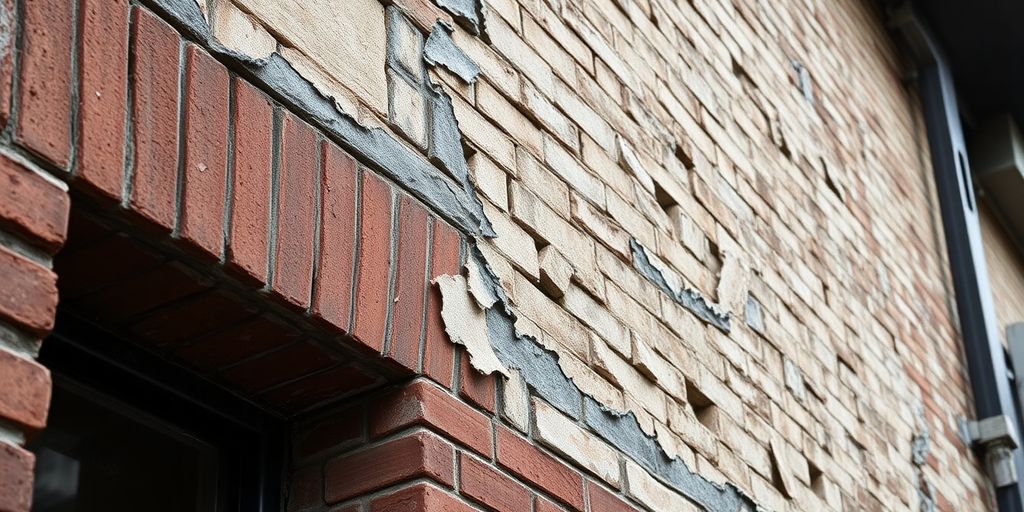
Historical Use of Asbestos in Construction
Asbestos was once hailed as a miracle material due to its resistance to heat and corrosion. It became a staple in construction, particularly from the late 19th century until the late 20th century. Builders used it extensively in various applications, from insulation to fireproofing. Despite its benefits, the health risks associated with asbestos were not immediately apparent, leading to widespread use in many commercial structures.
Common Locations of Asbestos in Buildings
In commercial buildings, asbestos can be found in numerous areas:
- Roofing Materials: Often used in shingles and underlayment.
- Insulation: Common in pipes, boilers, and ductwork.
- Flooring: Vinyl tiles and adhesives frequently contained asbestos.
- Ceiling Tiles: Particularly those with acoustic properties.
- Fireproofing Materials: Sprayed coatings and plasters.
These materials, if disturbed, can release asbestos fibers into the air, posing a risk to occupants.
Identifying Asbestos in Older Structures
Identifying asbestos in older buildings requires a thorough asbestos report conducted by professionals. This involves:
- Inspecting suspected asbestos-containing materials (ACMs).
- Taking samples for laboratory analysis.
- Assessing the condition of the ACMs to determine potential risks.
It’s crucial to engage certified experts to handle this task to ensure safety and compliance with regulations. Regular inspections can help in managing the presence of asbestos and planning for any necessary abatement.
Health Risks Associated with Asbestos Exposure
Types of Diseases Linked to Asbestos
Asbestos exposure is notorious for its severe health implications, primarily causing various forms of cancer. Lung cancer and mesothelioma are the most prevalent diseases associated with asbestos. Mesothelioma, a cancer affecting the lining of the lungs and abdomen, is exclusively linked to asbestos exposure. Additionally, asbestos can lead to cancers of the larynx, ovaries, and gastrointestinal tract. Even short-term exposure to asbestos dust can significantly increase the risk of developing these conditions, making it crucial to manage and mitigate asbestos exposure in environments where it is present. For more information on the risks of short-term exposure, see this article.
Long-Term Health Implications
The latency period of asbestos-related diseases can be alarmingly long, often taking 20 to 60 years to manifest. This long delay between exposure and the onset of symptoms makes it challenging to diagnose and treat these diseases early. Asbestosis, a chronic lung disease caused by inhaling asbestos fibers, is another serious condition that can develop, leading to progressive lung damage and respiratory failure over time. The long-term implications of asbestos exposure underscore the necessity for stringent safety protocols and regular health monitoring for individuals who have been exposed.
Vulnerable Populations and Asbestos
Certain groups are more susceptible to the dangers of asbestos exposure. Workers in construction, demolition, and shipbuilding industries are at a heightened risk due to the nature of their work. Family members of these workers can also be affected through secondary exposure, as asbestos fibers can be carried home on clothing and equipment. Furthermore, older buildings that still contain asbestos pose a risk to occupants and maintenance workers. Protecting these vulnerable populations requires comprehensive safety measures, including protective gear, regular health screenings, and thorough asbestos management plans.
Regulatory Framework Governing Asbestos in Commercial Properties
Key Regulations and Guidelines
When it comes to managing asbestos in commercial buildings, understanding the regulatory landscape is crucial. Federal regulations play a significant role in ensuring safety. The National Emission Standards for Hazardous Air Pollutants (NESHAP), under the Clean Air Act, sets stringent guidelines for the demolition and renovation of structures to prevent asbestos exposure. Additionally, the Asbestos Hazard Emergency Response Act (AHERA) mandates that only certified professionals handle asbestos-containing materials, especially in public and educational buildings. Compliance with these federal guidelines is non-negotiable.
Role of OSHA and EPA
The Occupational Safety and Health Administration (OSHA) and the Environmental Protection Agency (EPA) are pivotal in regulating asbestos management. OSHA focuses on workplace safety, ensuring that workers are protected from asbestos exposure through stringent safety standards and training requirements. The EPA, on the other hand, oversees environmental regulations, including the reduction of asbestos fibers released into the air during handling activities. Both agencies work in tandem to minimize health risks associated with asbestos.
State and Local Compliance Requirements
Beyond federal oversight, state and local governments impose additional regulations that can be even more stringent. These rules vary significantly across different jurisdictions, requiring property owners to stay informed about local laws. For instance, some states may require more frequent inspections or specific disposal methods for asbestos-containing materials. Property managers must navigate these layers of regulation to avoid penalties and ensure the safety of building occupants.
Asbestos Management and Safety Protocols
Developing an Asbestos Management Plan
Creating a solid asbestos management plan is essential for any commercial building that might contain asbestos. This plan should start with a comprehensive survey to identify asbestos-containing materials (ACMs) and assess the condition and risks associated with them. It’s crucial to keep an updated asbestos register that logs the location, type, and condition of ACMs. Regular inspections should be scheduled to ensure no changes in the condition of these materials. The plan must also outline procedures for emergency situations, such as accidental disturbance of asbestos.
Training and Protective Measures
Training is a key component in managing asbestos risks. Employees, especially those involved in maintenance and construction, must be educated about the dangers of asbestos and the safety procedures they need to follow. Providing personal protective equipment (PPE) is vital when workers are potentially exposed to asbestos fibers. This includes respirators and protective clothing to minimize exposure. Regular training sessions should be held to keep everyone informed about the latest safety protocols.
Monitoring and Maintenance Procedures
Ongoing monitoring is necessary to ensure the safety of building occupants. This involves air quality testing to detect any asbestos fibers in the environment. Maintenance procedures should include regular checks on the condition of ACMs and prompt repairs if any damage is found. It’s also important to have a system in place for reporting and addressing any suspected asbestos disturbances. By following these requirements for managing asbestos, building managers can comply with regulations and protect the health of everyone who uses the building.
Renovation and Demolition Considerations for Asbestos-Containing Buildings
Pre-Demolition Surveys and Testing
Before any renovation or demolition begins, it’s crucial to conduct a thorough survey to identify asbestos-containing materials (ACMs). This involves hiring a certified asbestos professional to assess the building and determine the presence and condition of ACMs. Testing is mandatory to ensure the safety of workers and occupants. The survey should focus on common areas like flooring, walls, ceilings, and insulation. Identifying asbestos early can prevent dangerous exposure during construction activities.
Safe Removal and Disposal Practices
Once asbestos is identified, safe removal and disposal become a priority. Engaging licensed abatement contractors is essential. They use specialized techniques such as encapsulation, enclosure, and removal to manage asbestos safely. Removal is often necessary during demolitions to eliminate exposure risks. It’s also important to follow strict disposal regulations to prevent environmental contamination. For more on handling and disposing of asbestos, consider exploring safe methods for handling asbestos.
Legal Obligations During Renovation
Legal requirements for asbestos management are governed by various regulations, including the National Emission Standards for Hazardous Air Pollutants (NESHAP) and the Asbestos Hazard Emergency Response Act (AHERA). These laws mandate that only trained professionals handle asbestos and that all activities comply with federal, state, and local guidelines. Failure to adhere to these regulations can result in hefty fines and legal consequences. Property owners must stay informed about their obligations to ensure compliance and safety.
Insurance and Liability Concerns Related to Asbestos
Impact on Property Insurance
When it comes to property insurance, asbestos can be a significant factor. Insurance companies often view asbestos as a high-risk element due to potential health hazards and the costs associated with its removal. Asbestos presence can increase premiums or even lead to denial of coverage. Policies may require property owners to conduct regular inspections and maintain an asbestos register. This register serves as a record of asbestos locations within the building, ensuring that both the insurer and the insured are aware of potential risks.
Liability for Property Owners
Property owners have a legal responsibility to manage asbestos risks effectively. Failure to do so can result in serious legal consequences. Asbestos liability refers to the legal obligation of property owners to ensure that asbestos-related risks are minimized. If someone is exposed to asbestos on their property and suffers health issues, the owner could face lawsuits and substantial financial penalties. Thus, it’s crucial for property owners to engage in regular inspections and adhere to safety regulations to mitigate these risks.
Risk Mitigation Strategies
Mitigating asbestos-related risks involves several proactive strategies:
- Regular Inspections: Conduct periodic inspections to identify and assess asbestos risks.
- Asbestos Management Plan: Develop and implement a comprehensive plan to manage asbestos safely.
- Professional Consultation: Hire certified asbestos consultants to evaluate and manage asbestos risks effectively.
By implementing these strategies, property owners can reduce their liability and ensure a safer environment for occupants and visitors.
Technological Advances in Asbestos Detection and Removal
Innovative Testing Methods
In recent years, the field of asbestos detection has seen significant technological progress. One of the leading approaches is Transmission Electron Microscopy (TEM), which uses electron beams for precise analysis. This method stands out for its ability to detect even the smallest asbestos fibers, ensuring accurate assessments. TEM has been further enhanced to improve its effectiveness, making it a reliable choice for asbestos testing.
Modern Abatement Techniques
Once asbestos is detected, the next step is removal. Modern abatement techniques prioritize safety and efficiency. The process often begins with sealing off the work area using plastic sheeting and tape to prevent contamination. A negative pressure environment is maintained with exhaust units equipped with HEPA filters to ensure no asbestos fibers escape. Here are some key steps involved:
- Wetting down asbestos materials before removal to minimize dust.
- Using specialized vacuums and wet mops for cleanup.
- Conducting air monitoring to ensure safety throughout the process.
Future Trends in Asbestos Management
Looking ahead, the future of asbestos management is promising with continued technological advancements. Innovations in detection and removal are expected to further reduce risks associated with asbestos exposure. As technology evolves, we can anticipate more efficient and safer methods for managing asbestos in commercial buildings. Embracing these advancements will be crucial in safeguarding public health and maintaining safe environments.
Environmental Impact of Asbestos in Commercial Settings
Asbestos and Air Quality
Asbestos, when disturbed, releases tiny fibers into the air. These fibers can linger, posing a risk to anyone nearby. Air quality can be severely affected, especially in older buildings where asbestos materials might be deteriorating. Individuals working or residing in such environments may face increased exposure if proper precautions aren’t taken. Regular monitoring of air quality is essential to detect any asbestos fibers in the atmosphere, ensuring that safety measures can be implemented promptly.
Waste Management Challenges
Disposing of asbestos waste is not straightforward. It requires careful handling and adherence to strict regulations to prevent contamination. Improper disposal can lead to environmental pollution, affecting soil and water sources. Facilities must follow designated procedures to transport and dispose of asbestos waste safely. This involves using specialized containers and ensuring that waste is deposited in approved landfills designed to handle hazardous materials.
Sustainable Practices for Asbestos Disposal
To minimize environmental impact, sustainable practices in asbestos disposal are gaining attention. These practices include recycling certain asbestos materials where possible and using advanced technologies to neutralize its harmful effects. Emphasizing eco-friendly methods in handling asbestos waste not only protects the environment but also aligns with broader goals of sustainability. Organizations are encouraged to adopt these practices to reduce their ecological footprint while maintaining compliance with environmental regulations.
Case Studies of Asbestos Management in Commercial Buildings
Successful Asbestos Abatement Projects
In examining successful asbestos abatement projects, it’s clear that a well-structured plan is essential. One notable example is the cleanup effort at the historic former Marine Corps Air Station Hangar after a fire on November 7, 2023. The response, led by ATI, demonstrated the importance of quick action and thorough assessment. Key steps included:
- Initial assessment and identification of asbestos-containing materials.
- Development of a comprehensive abatement plan tailored to the specific needs of the site.
- Execution of the plan by certified professionals to ensure safety and compliance.
These steps underscore the need for meticulous planning and execution in managing asbestos risks effectively.
Lessons Learned from Past Incidents
Past incidents have taught us valuable lessons about handling asbestos in commercial buildings. One critical takeaway is the importance of early detection and intervention. Delays in addressing asbestos can lead to increased health risks and legal complications. For example, in older buildings, routine maintenance activities like HVAC cleaning can inadvertently disturb asbestos fibers if not properly managed. Thus, a proactive approach is crucial.
Best Practices in Asbestos Risk Management
Implementing best practices in asbestos risk management involves:
- Regular inspections by qualified professionals to identify potential asbestos hazards.
- Continuous training for staff on asbestos awareness and safety protocols.
- Establishing clear communication channels to ensure that all stakeholders are informed about asbestos management plans.
By adhering to these practices, building owners can minimize risks and maintain a safe environment for occupants.
The Role of Professional Asbestos Consultants
Importance of Hiring Certified Experts
When dealing with asbestos in commercial buildings, hiring certified experts is not just a recommendation—it’s a necessity. These professionals possess the specialized knowledge and skills to identify, assess, and manage asbestos risks effectively. Without proper certification, individuals may overlook critical details, leading to potential health hazards. Certified consultants are trained to adhere to regulations, ensuring that all procedures comply with legal standards, which is crucial for both safety and liability.
Consultant Services and Offerings
Professional asbestos consultants provide a range of services to help manage asbestos in commercial properties efficiently. These services typically include:
- Comprehensive Surveys: Conducting thorough inspections to locate and identify asbestos-containing materials (ACMs).
- Risk Assessments: Evaluating the condition and potential risk of identified asbestos materials.
- Management Plans: Developing detailed plans to manage and mitigate asbestos risks, including maintenance and monitoring strategies.
These offerings are designed to minimize exposure and ensure a safe environment for building occupants.
Choosing the Right Asbestos Consultant
Selecting the right consultant is a critical step in managing asbestos risks. It’s important to consider several factors:
- Certification and Qualifications: Ensure the consultant holds the necessary credentials and has experience in handling asbestos in commercial settings.
- References and Reviews: Look for testimonials or case studies that demonstrate the consultant’s track record of successful projects.
- Communication Skills: A good consultant should clearly explain the processes and keep all stakeholders informed throughout the project.
Making an informed choice can significantly impact the effectiveness of asbestos management efforts, safeguarding both health and property.
Websites
Robert King Mesothelioma Law Services