Tag

taxes

Browsing

Virginia has long been a place that draws people in, offering the perfect blend of history, opportunity, and natural beauty. From the rolling hills of the Blue Ridge Mountains to the peaceful shores of Chesapeake Bay, it’s a state that caters to all lifestyles. Whether you’re seeking a bustling city, a quiet suburban neighborhood, or a charming rural town, Virginia has it all.

Vibrant cities like Richmond and Virginia Beach offer career opportunities and urban amenities, while the state’s strong universities, major military bases, and expanding tech sector provide a range of professional paths. The best part? You could spend your morning hiking a mountain and your afternoon relaxing on a beach—both within a few hours of each other.

With a mix of economic growth and a high quality of life, Virginia is an ideal choice for families, young professionals, and retirees alike. It’s the rare place where career prospects, culture, and nature come together seamlessly.

Why Do People Love Living in Virginia?

Virginia isn’t just about great homes—it’s about an exceptional quality of life. In Northern Virginia, places like Fairfax and Arlington offer top-rated schools and easy access to Washington D.C.’s world-class museums, theaters, and cultural hotspots. Meanwhile, Williamsburg charms with its colonial history and family-friendly experiences, making the past feel alive every day.

For outdoor lovers, Virginia is a playground. Hike through Shenandoah National Park in the morning and wind down at Virginia Beach in the afternoon. The Blue Ridge Parkway offers breathtaking mountain views, and the Chesapeake Bay is perfect for boating, fishing, or any water sport you love.

What sets Virginia apart is its balance between rich history and modern living. The state embraces its heritage while also welcoming innovation and growth. Prestigious universities like UVA and Virginia Tech foster dynamic intellectual communities, while cities like Richmond blend historic districts with vibrant arts scenes. This unique combination of culture, nature, and opportunity is what makes Virginia such an attractive place to call home.

What Is the Cost of Living in Virginia?

The cost of living in Virginia varies by region. Northern Virginia tends to be more expensive, while southern and western areas are more affordable. On average, living in the state runs about 2% higher than the national average, largely due to housing costs in metro areas. Despite this, many residents find a good balance of amenities, lifestyle, and value across different communities.

1. Housing

Virginia’s housing market reflects its diverse geography and economic landscape. The median home price reached $425,300 in July 2025, compared to the national median of $420,000. Northern Virginia leads with higher prices due to proximity to Washington D.C., while areas like Lynchburg and Roanoke offer more budget-friendly alternatives.

Virginia’s rental market shows similar regional variation. Statewide average rent sits at $1,994 per month. In Northern Virginia, rents are notably higher; for instance, in Arlington, the median rent for a two-bedroom unit is $3,134. Richmond comes in at $1,572, while smaller cities like Harrisonburg average $2,182 monthly.

2. Utilities

Monthly utility costs average $387 statewide, covering electricity, gas, water, and internet services. Coastal areas and Northern Virginia typically see higher costs. Rural and mountain communities often enjoy lower rates due to different provider networks and usage patterns.

3. Groceries and Food

Food expenses remain reasonable across most of Virginia. Families usually spend around the national average on groceries, keeping food costs manageable. Dining costs vary by location, with casual meals averaging $14 in smaller towns and $18 in major metropolitan areas like Norfolk and Richmond.

4. Healthcare

Healthcare costs run approximately 2% below national levels in most Virginia markets. The state’s numerous hospital systems and medical centers create competitive pricing. This is especially true in Richmond, Norfolk, and Northern Virginia, where multiple providers serve large populations.

5. Transportation

Transportation costs vary significantly based on location and commuting patterns. Gas averages $3.026 per gallon, while auto insurance rates remain competitive. Northern Virginia residents often rely on Metro and VRE systems, adding monthly transit costs but reducing vehicle expenses.

6. Taxes

Virginia maintains a progressive state income tax ranging from 2% to 5.75% based on income levels. Property tax rates average 0.77% of assessed value, though Northern Virginia counties tend to have higher rates. Sales tax ranges from 5.3% to 7% depending on local additions.

What Does the Housing Market in Virginia Look Like?

Virginia’s housing market varies by region, offering everything from higher-priced homes in Northern Virginia to more affordable options in Lynchburg. Let’s explore the price trends in key markets:

1. Home Prices and Market Activity

  • Statewide Overview: As of late 2025, Virginia’s median home price is approximately $464,900, marking a 2.7% increase year-over-year. Despite the price increase, the number of homes sold has decreased by 2%.
  • Regional Variations: In Virginia, home prices vary widely by region. Northern Virginia’s median price reached $760,073 in July 2025, up 3.4% from the previous year. Richmond saw a 5.1% increase, with a median of $424,000 in late 2024. In contrast, Lynchburg offers more affordable options, with an average home price of $264,559.

2. Supply & Demand Dynamics

  • Inventory Levels: The number of homes for sale in Virginia rose by 11.8% year-over-year in August 2025, totaling 36,991 listings.
  • Seller’s Market Trends: Despite the increase in listings, the market remains competitive, with about 30.5% of homes selling above list price. The average months of supply stands at 2 months, indicating a seller’s market but a potential shift toward balance.

3. Affordability and Financing

  • Mortgage Rates Impact:. As of September 2025, the 30-year fixed mortgage rate is 6.5%, slightly higher than previous years but still competitive. Use Virginia’s mortgage calculator on Houzeo, America’s top home buying website, to estimate how these rates affect your monthly payments.
  • Down Payment Trends: National trends show a slight decrease in the average down payment, providing some relief for buyers, though affordability remains an issue in high-demand urban areas. 

4. Market Outlook and Trends for 2025

  • Price Predictions: Housing prices in Virginia are expected to continue rising through 2025, although at a moderated pace due to economic factors.
  • Market Balance: Experts predict a shift toward a more balanced market, with increasing inventory and longer days on market, providing buyers with more opportunities.

Pros and Cons of Living in Virginia

Like any state, Virginia presents both advantages and challenges for potential residents.

Pros

  • Rich historical heritage and cultural attractions
  • Diverse geography from mountains to beaches
  • Strong job market across multiple industries
  • Excellent universities and educational opportunities
  • Four distinct seasons with mild winters in most areas
  • Central East Coast location with easy regional travel

Cons

  • Northern Virginia traffic congestion and higher costs
  • Hurricane risk along coastal areas
  • Higher humidity levels during summer months
  • Limited public transportation outside Northern Virginia

Is Virginia a Good Place to Live?

Virginia draws residents with its mix of history, natural beauty, and modern opportunity. The state offers economic stability in a region where other areas may face uncertainty. Residents have access to excellent schools, diverse career paths, and outdoor recreation—from mountain trails to coastal beaches.

Its central East Coast location makes travel to major cities easy. At the same time, the cost of living remains lower than in many metropolitan areas. Strong communities, rich culture, and a four-season climate make Virginia an appealing choice for families and professionals. Retirees also benefit from the balance of opportunity and a high quality of life.

👉 Looking for Virginia homes for sale? Browse thousands of listings on your mobile device with Houzeo, America’s best home buyer app. Download it from the Apple App Store or Google Play Store to start your search today.

 

Owning a vacant home might seem harmless, but the longer it sits empty, the more problems—and expenses—it can create. Whether it’s an inherited house, a rental between tenants, or a home you’re not using, holding onto a vacant property could cost more than you realize.

1. Ongoing Maintenance and Repairs

Just because no one lives in the home doesn’t mean the upkeep stops. Vacant houses still need regular maintenance, like lawn care, roof inspections, pest control, and plumbing checks. Without proper care, small issues can quickly turn into costly repairs, especially if leaks, mold, or weather damage go unnoticed.

2. Higher Risk of Vandalism and Theft

Empty homes are magnets for trouble. Vandals, squatters, and thieves often target vacant properties, especially if it’s clear no one is watching. Replacing stolen appliances, fixing broken windows, or repairing intentional damage can get expensive, and you may not even realize the damage until it’s too late.

3. Insurance Can Be Complicated

Most standard homeowners’ insurance policies don’t cover homes that are vacant for extended periods. If something goes wrong and you don’t have the right coverage, you could be stuck paying out of pocket. Specialized vacant home insurance is available, but it usually costs more.

4. Property Taxes and Utilities Don’t Stop

Even if no one lives in the house, you still owe property taxes. Plus, you’ll likely need to keep basic utilities on for safety and maintenance purposes. Over time, these holding costs can add up quickly and eat into your savings or equity.

5. Better Option: Sell It As-Is for Cash

If you’re tired of the stress, consider selling the property to a cash buyer. You won’t need to make repairs, clean it out, or wait months for a traditional sale. Cash buyers can close quickly, often in a week, so you can stop worrying and move on.

Final Thoughts

A vacant home might seem like an asset, but if it’s not bringing in income, it’s likely draining your wallet. Selling fast for cash can help you cut your losses and free up your time and money.

This post was written by a professional at Ask 4 Offer. At Ask 4 Offer, we specialize in helping homeowners sell their property quickly and hassle-free. We purchase homes in any condition—including inherited houses, properties in foreclosure, or those needing major repairs. You won’t pay commissions, fees, or closing costs. If you’re thinking “sell my house for cash Orlando, FL” or “flip my house,” we’re here with a cash offer in 24–76 hours. From Sarasota County to Siesta Key, Manatee County to Hillsborough County, we serve sellers who want real solutions. Whether you’re downsizing, relocating, or tired of holding onto a vacant home, Ask 4 Offer makes it easy to move forward.


Malta, with its warm Mediterranean climate, rich history, and growing economy, is becoming one of the top destinations for property buyers and investors. Whether you’re looking for a property for sale in Malta as a permanent residence or as an investment opportunity, the island offers a variety of options to suit your needs. From apartments to townhouses and commercial spaces, there’s a wide range of real estate for sale in Malta to explore.

In this guide, we’ll take you through the process of finding and purchasing Malta properties for sale, highlight the benefits of owning property in Malta, and give you insights into the best locations for property investments on the island.

Why Buy Properties for Sale in Malta?

1. Strategic Location in the Mediterranean

Located at the crossroads of Europe and North Africa, Malta’s strategic position offers not only scenic views but also accessibility to both continental and international markets. The island’s location makes it an appealing choice for international investors, retirees, and expatriates seeking to settle in a peaceful yet dynamic environment.

2. Growing Property Market

The Maltese real estate market has seen consistent growth over the years. Demand for both residential and commercial properties has been driven by the island’s thriving economy, especially in sectors like tourism, financial services, and digital industries. With properties for sale in Malta continuing to rise in value, now is an excellent time to make an investment.

3. Favorable Tax System

One of the key reasons people are turning to Malta properties for sale is the country’s advantageous tax system. With low property taxes, no inheritance tax, and incentives for foreign investors, Malta is an attractive destination for property buyers seeking financial benefits.

Types of Real Estate for Sale in Malta

Malta offers a wide range of property types, catering to diverse tastes and investment goals. Whether you’re buying your first home, a vacation property, or a commercial unit, there’s something for everyone. Here’s a closer look at some of the most popular real estate for sale in Malta:

1. Residential Properties

If you’re considering settling in Malta, residential properties offer a range of options that cater to all kinds of lifestyles. From apartments in urban centers to larger family homes in more tranquil areas, Malta properties for sale are designed to accommodate varying preferences. Some of the popular residential areas include Sliema, St. Julian’s, and Mosta, where you’ll find modern apartments, terraced houses, and penthouses.

2. Commercial Properties

Malta’s thriving economy also means that there is a steady demand for commercial properties. Whether you’re looking for office spaces, retail shops, or investment opportunities in the hospitality industry, there are numerous properties for sale in Malta that offer high potential for businesses. Malta’s position as a business hub in Europe ensures that commercial real estate continues to be a solid investment choice.

3. Luxury Real Estate

For those looking for high-end living, Malta properties for sale also include luxury villas, seafront penthouses, and exclusive residences. These properties are often located in prime locations such as Mellieha, St. Julian’s, and Valletta, where you can enjoy stunning sea views and unparalleled luxury. The Maltese luxury property market continues to grow, driven by both local and international buyers.

4. Investment Properties

If you’re seeking a property primarily as an investment, Malta offers excellent opportunities in the rental market. Properties in tourist-heavy areas, such as Sliema and St. Julian’s, offer great potential for short-term rental income. Additionally, areas near business hubs or educational institutions also present opportunities for long-term rental investments.

Why Invest in Real Estate for Sale in Malta?

1. High Rental Demand

Thanks to Malta’s thriving tourism sector and influx of foreign workers, there is consistently high demand for both short-term and long-term rental properties. Investing in properties for sale in Malta for rental purposes can offer a solid return on investment, especially if the property is located in a popular area like Valletta, Sliema, or St. Julian’s.

2. Stable Economy and Political Environment

Malta enjoys a stable political environment, which is a significant factor for those considering investment in real estate for sale in Malta. The country’s membership in the European Union, along with its strong economic performance, makes it a secure and stable location for both local and international investors.

3. Growing Tourism Industry

Tourism is one of the major drivers of Malta’s economy, with millions of visitors coming to the island each year. This creates a strong demand for rental properties, particularly in popular areas like Sliema and St. Julian’s, where tourists often seek short-term accommodations. Purchasing Malta properties for sale in tourist-friendly areas can therefore be a profitable business venture.

4. Government Incentives for Investors

The Maltese government offers several attractive schemes and incentives for property buyers, especially for foreign investors. These incentives include tax breaks, attractive financing options, and a streamlined property purchasing process, making it easier for international buyers to purchase real estate for sale in Malta.

How to Buy Malta Properties for Sale

If you’re ready to purchase properties for sale in Malta, understanding the buying process is key to making your investment smooth and successful. Here are the basic steps involved in buying real estate in Malta:

1. Engage a Qualified Real Estate Agent

The first step in purchasing Malta properties for sale is to find a licensed real estate agent. A local agent will help you identify properties that match your requirements and guide you through the entire process. It’s essential to work with a trusted agent who is registered with the National Association of Estate Agents in Malta (NAEA).

2. Financial Considerations

Before you start viewing properties, it’s important to determine your budget and financing options. Non-residents can obtain a mortgage of up to 80% of the property’s value from local banks, but it’s essential to understand the conditions. It’s also helpful to speak to a financial advisor or mortgage broker who can assist you in navigating the local mortgage market.

3. Sign a Preliminary Agreement

Once you’ve found the right property, you’ll need to sign a preliminary agreement (Konvenju) with the seller. This agreement will outline the terms of the sale, and a deposit (usually around 10%) is typically required at this stage.

4. Complete the Sale with a Notary

The final step is to sign the deed of sale in the presence of a notary. The notary will ensure that all legal documents are in order, and once the transaction is complete, you will become the official owner of the property.

Popular Locations for Malta Properties for Sale

If you’re unsure where to start your search, here are a few popular areas for buying Malta properties for sale:

Sliema

Sliema is one of the most sought-after areas in Malta. It offers a wide range of properties, from modern apartments to historical buildings, and is known for its vibrant atmosphere, shopping, dining, and entertainment options.

St. Julian’s

Known for its nightlife and entertainment, St. Julian’s is a popular area for those seeking a lively environment. It’s home to numerous high-end apartment complexes, hotels, and commercial properties.

Mosta

Mosta offers a quieter atmosphere while still being conveniently located near Malta’s main roads and business hubs. It is an ideal location for families or anyone looking for a more suburban lifestyle.

Conclusion

With its favorable tax system, growing real estate market, and stunning Mediterranean views, Malta properties for sale present an exciting investment opportunity. Whether you’re seeking a home, vacation property, or a commercial investment, real estate for sale in Malta offers diverse options to suit any need. Start your property search today and find the ideal property for sale in Malta that meets your needs, whether you’re looking to settle in the area or capitalize on the growing demand for rental properties.

Ready to make your move? Browse our listings of Malta properties for sale and get in touch with our expert agents to help you make the best choice!

In recent years, Accessory Dwelling Units (ADUs) have become a significant trend in California’s real estate landscape. These self-contained living spaces, often referred to as granny flats or in-law suites, provide homeowners with the flexibility to create additional rental income, accommodate extended family, or even enhance the value of their property. With California’s ongoing housing crisis, the demand for ADUs has only grown, making them an appealing option for both homeowners and investors. This article will delve into the benefits of building an ADU in California, the regulatory environment, and how homeowners can take advantage of this opportunity.

The Rising Popularity of ADUs in California

California has long faced a housing shortage, with high demand for homes and limited availability, especially in urban areas. In response to this crisis, the state has been actively promoting the development of ADUs. These units offer a viable solution to the housing issue by increasing density without altering the character of neighborhoods. The state’s push to make it easier for homeowners to build ADUs has led to numerous legislative changes in recent years. These changes have streamlined the approval process, reduced fees, and provided incentives to encourage ADU construction.

One of the driving factors behind the popularity of ADUs in California is their versatility. Whether as a rental unit, a home office, or a space for elderly relatives, an ADU provides homeowners with a cost-effective way to maximize the potential of their property. With the right design, an ADU can add significant value to a home, making it a worthy investment.

Benefits of Building an ADU in California

For California homeowners, building an ADU offers a range of benefits. One of the most appealing advantages is the potential for additional income. Renting out an ADU provides homeowners with a steady stream of revenue, which can help cover mortgage payments, property taxes, or other expenses. With California’s high rental demand, especially in cities like Los Angeles, San Francisco, and San Diego, the rental income potential from an ADU is substantial.

Another benefit is the increased property value. Homes with ADUs are often valued higher than comparable properties without them. This added square footage, whether used for rental purposes or as additional living space, makes a property more attractive to potential buyers. In a

competitive real estate market, an ADU can make a significant difference in a property’s marketability and selling price.

ADUs also offer a unique opportunity for multigenerational living. Many families in California are turning to ADUs as a way to accommodate elderly parents, adult children, or other relatives who need their own space but want to remain close by. The self-contained nature of an ADU allows for privacy while still maintaining proximity to family members, creating a living arrangement that can benefit everyone involved.

Navigating California’s ADU Regulations

While building an ADU in California offers numerous advantages, it’s essential to understand the regulations that govern these units. California has made strides in simplifying the approval process for ADUs, but there are still some important factors to consider before starting construction.

First, homeowners should familiarize themselves with local zoning laws. Although the state has passed legislation to encourage ADU construction, each city and county may have different requirements regarding setbacks, lot sizes, height restrictions, and other factors. Some municipalities may have additional regulations or design standards that need to be followed.

Therefore, it’s crucial to consult with local authorities or a qualified architect to ensure that your ADU project complies with all necessary rules.

In addition to zoning laws, building codes must also be followed. ADUs must meet specific safety standards, including proper electrical wiring, plumbing, and insulation. Homeowners should work with licensed contractors and construction professionals who are familiar with California’s building codes and the particular requirements for ADU construction. This will help ensure that the ADU is safe, functional, and up to code.

The state has also introduced incentives to make building an ADU more affordable. For example, some programs offer financial assistance or reduced fees for homeowners who build ADUs. There are also streamlined permitting processes in place for certain types of ADUs, such as those that are built within an existing structure, like a garage conversion. Understanding these incentives can help homeowners save money and time during the construction process.

Financing Your California ADU Project

Financing an ADU project in California can be a bit more complex than a traditional home renovation. However, there are various financing options available to homeowners who want to build an ADU on their property.

One popular option is to take out a home equity loan or home equity line of credit (HELOC). Since an ADU increases the value of your property, lenders are often willing to offer favorable loan terms for homeowners who are adding a unit. These loans allow homeowners to borrow

against the equity in their home, using the property’s value as collateral. This type of financing is ideal for homeowners who have built up significant equity and want to invest in an ADU.

Another option is a construction loan, which is a short-term loan designed specifically for building projects. Construction loans are typically paid out in installments, with the lender releasing funds as the construction progresses. Once the ADU is completed, the loan can be converted into a traditional mortgage.

There are also specialized financing programs for ADUs in California. Some state programs offer low-interest loans or grants to help homeowners build ADUs, particularly those in

lower-income communities. These programs aim to make ADUs more accessible to a broader range of homeowners, including those who may not have the financial resources to pay for the construction upfront.

The Future of ADUs in California

The future of ADUs in California looks bright, as the state continues to prioritize affordable housing solutions. As the population grows and the demand for housing increases, ADUs will likely play an even more significant role in meeting the housing needs of Californians. The state is expected to continue refining its policies to make building ADUs easier and more affordable, which will open up opportunities for homeowners to invest in these units.

With rising home prices and rental costs, ADUs offer a practical solution for homeowners who want to generate income, increase their property value, or create space for family members. As the demand for housing remains high, California ADUs will continue to be an essential part of the state’s strategy to tackle the housing crisis.

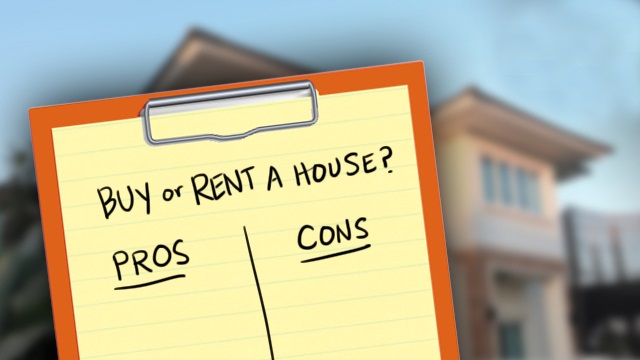
It certainly is really a hard decision to create in situation you are renting or perhaps in situation you purchase? There are many advantages and disadvantages for options. The first ingredient that individuals have to do is figure out what they might require utilizing their conditions. Would they want the steadiness of getting a house, without dealing with cover this each month? Then renting could be the most appropriate choice by themselves account! However, if someone wants additional charge of their houses, then buying may get better because of them. Owning your home means controlling how’s it going affected there- that could include renovations or upgrades that renter don’t have any say in!

Owning your property is a large commitment, though! Owning is pricey each month- when you do not pay rent to a new person. It is vital that people consider the extended-term financial implications of owning versus renting, before they have produced their concluding decision. They ought to notice that it is sometimes more effective financially to get a mortgage compared to debt with charge cards or loans from buddies and family people. However, because of the fact something may get better because of one person’s finances does not claim that purchasing will probably be most suitable choice overall. Go for such things as precisely what are your future plans? Are you able to expect to become a location forever? If that’s the problem this might certainly affect whether it might be helpful to really rent a house instead of you get one. Rental costs in several major towns are extremely high, that could be better to purchase a house instead of renting to spend less on rent afterwards.

Costs To Hire Or Rent A Printer - ITAF IT Partner

Advantages and disadvantages Owning versus Renting: Advantages and disadvantages Possession generally has financial benefits after a while because you own the home without any mortgage loan repayments or monthly charges for loan instalments. Renting typically requires less initial cash outlay than buying does when thinking about lower payment needs (that may vary from zero around 20% according to earnings) high settlement costs, prepaid expenses for example homeowners

  1. For those who have a really home, there’s a freedom to create changes without getting to concern yourself with approval out of your landlord, or asking be it okay to color a particular color.

Possession generally has financial benefits after a while because you own the home without any mortgage loan repayments or monthly charges for loan instalments. Renting typically requires less initial cash outlay than buying does when thinking about lower payment needs (that may vary from zero around 20% according to earnings) high settlement costs, prepaid expenses for example homeowners insurances and taxes that aren’t due until after occupancy in the owner occupied home.

The Rent-or-Buy Debate: Pros and Cons of Renting and Buying a Home – Bautis  Financial

  1. Homeowners are less inclined to get evicted given that they can not afford their rent

Owning your home signifies that you will not get evicted because of non payment of rent. However, there are lots of disadvantages to owning your home. If you can’t afford payments at home, then it is possible you are able to lose the home. However, once the does happen, you are able to extract your losses by selling the home (whether it has not depreciated lots of).