
Tag

session

Browsing

Maintaining a garden requires the right tools and techniques to ensure your plants stay healthy and thriving. Among the essential tools, loppers stand out as a gardener’s best friend for efficient cutting and pruning. Whether you’re trimming thick branches, shaping hedges, or removing dead wood, loppers can make the job easier and more precise. With the right approach, these versatile tools can save time and energy while helping you achieve a well-kept garden. In this guide, we’ll explore how to use loppers effectively, ensuring your gardening tasks are both efficient and rewarding.

1. Understanding the Basics of Loppers

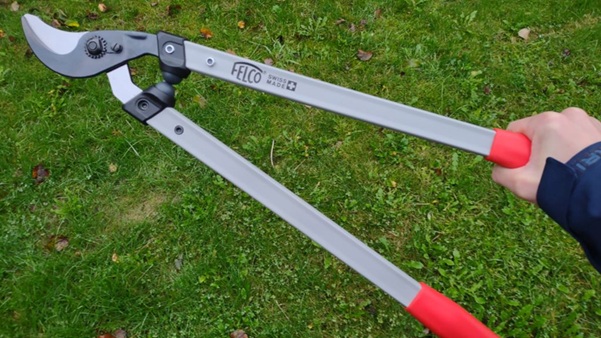
Loppers are long-handled pruning tools designed to cut branches that are too thick for pruning shears but not large enough for a saw. They typically have two main types:

  • Bypass Loppers: These have a scissor-like mechanism, ideal for clean cuts on live branches.
  • Anvil Loppers: These feature a single blade that cuts against a flat surface, suitable for dead or dry wood.

Each type serves specific purposes, making it important to choose the right loppers for your task.

2. Selecting the Right Loppers for Your Needs

The effectiveness of your cutting and pruning depends heavily on selecting the appropriate loppers. Consider these factors:

  • Blade Material: Opt for high-carbon steel blades for durability and sharpness.
  • Handle Length: Longer handles provide more leverage but can be heavier. Shorter handles offer greater control in tight spaces.
  • Cutting Capacity: Check the maximum branch diameter the lopper can handle.
  • Ergonomic Features: Padded grips and lightweight materials can reduce hand fatigue during prolonged use.

Investing in quality loppers ensures smoother operation and less strain on your hands and arms.

3. Preparing for Pruning

Before diving into your pruning tasks, preparation is key. Follow these steps to get started:

  • Inspect Your Loppers: Ensure the blades are sharp and free of rust. Dull blades can crush branches instead of making clean cuts, which can harm the plant and strain your hands. Tighten any loose screws or bolts to prevent accidental mishaps during use.
  • Wear Protective Gear: Use gloves to protect your hands from splinters and thorns, safety glasses to shield your eyes from debris, and sturdy footwear to avoid slips or injuries.
  • Plan Your Cuts: Walk around your garden to identify which branches need trimming. Pay close attention to crossing, dead, or diseased branches that could harm plant health.
  • Clean the Blades: Wipe the blades with rubbing alcohol or a disinfectant solution before and after use. This helps prevent the spread of diseases between plants, ensuring your garden remains healthy.
  • Choose the Right Time: Prune in the morning or late afternoon, when plants are less stressed by heat, and avoid wet weather, which can make surfaces slippery and increase the risk of injury.

Proper preparation ensures your pruning session is efficient, safe, and beneficial for your garden.

4. Proper Cutting Techniques

Using loppers effectively involves mastering the right cutting techniques. Here’s a step-by-step guide:

A. Positioning the Loppers

  • Open the loppers fully to maximize leverage.
  • Place the branch as close to the pivot point as possible for easier cutting.

B. Making the Cut

  • For live branches, use bypass loppers to make a clean, angled cut. This minimizes damage and promotes healthy regrowth.
  • For dead wood, anvil loppers are more efficient and require less effort.

C. Avoiding Common Mistakes

  • Do not twist or force the loppers if the branch doesn’t cut easily. Sharpen the blades or use a saw for larger branches.
  • Avoid cutting branches near the tips of the blades, as this reduces leverage and can damage the tool.

5. Maintaining Your Loppers

Proper maintenance ensures your loppers stay efficient for years to come. Follow these tips:

  • Clean After Each Use: Remove sap, dirt, and debris using warm soapy water and a cloth.
  • Sharpen the Blades: Use a sharpening stone or file to keep the blades sharp and effective.
  • Lubricate the Moving Parts: Apply a light oil to the pivot point to ensure smooth operation.
  • Store Properly: Keep loppers in a dry place, away from moisture, to prevent rust. Consider using blade covers for added protection.

6. Safety Tips for Using Loppers

While loppers are relatively simple to use, safety should always be a priority:

  • Check the Surroundings: Ensure there are no obstacles or people nearby while cutting.
  • Use Both Hands: Always use both hands to maintain control and avoid strain.
  • Keep Your Balance: Work on stable ground to prevent slips or falls.
  • Prune at the Right Time: Avoid pruning during wet or icy conditions that could make branches slippery.

7. Practical Applications of Loppers

Loppers are versatile tools with a range of applications in gardening and landscaping:

  • Tree Pruning: Trim small to medium-sized branches to promote healthy growth.
  • Hedge Shaping: Use loppers to maintain the shape and size of hedges.
  • Removing Dead Wood: Clear away dead or diseased branches to enhance plant health.
  • Harvesting Fruits: Loppers can help you reach and cut fruit-laden branches without damaging the tree.

8. When to Use Loppers vs. Other Tools

Knowing when to use loppers instead of pruning shears, saws, or hedge trimmers can make your work more efficient:

  • Use loppers for branches that are 1-2 inches in diameter.
  • Opt for pruning shears for smaller, thinner stems.
  • Choose a saw for branches thicker than 2 inches.
  • Hedge trimmers are better suited for shaping and trimming foliage rather than cutting

9. Troubleshooting Common Problems

Even with proper care, you may encounter issues while using loppers. Here’s how to address them:

  • Sticky Blades: Clean the blades thoroughly and apply a non-stick spray.
  • Rust Formation: Remove rust with a wire brush and apply a protective coating.
  • Difficulty Cutting: Sharpen the blades or check if the branch exceeds the lopper’s cutting capacity.
  • Loose Handles: Tighten any screws or bolts to ensure the tool is stable and secure.

Conclusion

Loppers are an indispensable tool for anyone looking to maintain a beautiful and healthy garden. By selecting the right type, mastering proper techniques, and committing to regular maintenance, you can make your pruning tasks efficient and enjoyable. Whether you’re an experienced gardener or just starting, understanding how to use loppers effectively will help you achieve professional results in your garden. Embrace this versatile tool and watch your outdoor space flourish with well-manicured trees, shrubs, and plants.


Ensuring compliance with building codes is a crucial aspect of roofing work. Proper adherence not only guarantees safety and durability but also protects homeowners from legal and financial issues. The role of roofers in Atlanta involves an understanding of various local and national building regulations, which can differ significantly based on location. Every project requires gaining detailed insights into zoning laws, structural requirements, and material specifications to achieve compliance.

Understanding Local Building Regulations

The first step in ensuring compliance is familiarity with local building codes. Each municipality often has its set of regulations that dictate specific aspects of construction, including roofing materials, methods, and structural integrity. Roofers must stay updated on these regulations to provide safe and compliant services. They often attend training or collaborative meetings with local building officials, ensuring their practices meet the latest standards.

Importance of Proper Documentation

Proper documentation plays a key role in ensuring compliance with building codes. Roofers must obtain the necessary permits before commencing work, which involves submitting proposed plans for review. This process allows local authorities to assess the project for adherence to safety regulations and building guidelines. Proper paperwork not only secures the legality of the project but also helps in protecting the homeowner’s investment.

Selection of Materials

Choosing appropriate roofing materials that meet building code standards is essential. Not all materials are acceptable in every location; some may be prohibited due to fire regulations or environmental considerations. Experienced roofers understand these requirements and can advise homeowners on suitable options. Whether opting for metal, asphalt shingles, or tiles, ensuring that materials meet local codes is non-negotiable for a compliant and long-lasting roof.

Inspections During the Roofing Process

Periodic inspections during the roofing installation are vital to ensure compliance. Local building inspectors assess ongoing work to verify that it adheres to approved plans and building codes. Roofers must be prepared for these inspections and ensure that their workmanship meets or exceeds regulatory standards. Clear communication with inspectors can aid in a smooth inspection process and timely project completion.

If you’re interested in understanding more about how roofers identify and address hidden roof damages, you might want to check out this article.

Continuing Education and Training

To stay compliant, roofers engage in continuing education. Many states require professionals in the roofing industry to complete regular training sessions that cover updated building codes and safety standards. This commitment to ongoing learning allows roofers to offer the best services while ensuring compliance with all applicable regulations.

Conclusion

In the roofing industry, compliance with building codes is not merely a legal requirement but a vital component of delivering quality services. Roofers play an essential role in safeguarding the structural integrity and safety of buildings. By understanding local regulations, obtaining necessary permits, selecting appropriate materials, and ensuring diligent inspections, they help uphold community standards. Homeowners seeking emergency roof repair long island services can feel confident knowing that experienced professionals will guide them through the process with expertise and dedication.

Frequently Asked Questions

1. Why is it important for roofers to ensure compliance with building codes?

Adhering to building codes is crucial for ensuring safety, durability, and legal protection for homeowners. Compliance minimizes the risk of structural failures and protects against potential liabilities.

2. How can homeowners find compliant roofers?

Homeowners should seek qualified roofers with a proven track record of adhering to local building regulations. Checking licenses, certifications, and customer reviews can also aid in making an informed decision.

3. What happens if a roofing project does not comply with building codes?

If a roofing project fails to comply, it can lead to significant penalties, including fines, legal issues, and the necessity of costly remedial work to correct the non-compliance.

Boxes, tape, bubble wrap, etc., are just some moving items you’ll need to purchase. Planning a packing plan, hosting a packing party, and otherwise carving out time to organize and store your possessions are essential. Another option is hiring a local or long-distance moving company to pack your stuff. But there are some items that your movers cannot or should not pack. Refer to the following moving checklist to identify these items and plan how to handle them before the movers come.

Possibilities of Harmful Effects

Interstate moving company Strathroy, Ontario often have a list of prohibited items and will likely refuse to pack any items on that list.

  • Oxygen tanks and bottles
  • More vaporous Matches
  • Containers for compressed gas, such as propane
  • Polish remover
  • Chemicals used in the production of paints and thinners
  • Fireworks

If it’s risky for movers to transport these products, it’s risky for you, too. Upon moving into your new apartment, you may buy fresh versions of most of these things.

Food

Typically, movers will pack the majority of your food items for you. But you should think about whether or not it’s a good plan. The professional team strongly advises against transporting fragile items, including glass jars of food or other perishables, to your new home because of the risk of breakage, leakage, or mold growth during the move. In contrast, dry goods, spices, oils, and other non-perishables travel nicely in boxes or cans. If you’re unsure whether your movers will transport perishable food items, don’t hesitate to inquire.

Expensive Items and Important Paperwork

Regardless of your moving company’s rules for carrying clients’ valuables, you should probably keep them with you at all times. This is because, even if the movers were to pay for the items, they would likely be emotional possessions that can’t be replaced.

Snapshots of the clan

  • Treasured Jewelry Passed Down Collections (coins, stamps, etc.)
  • Important paperwork and cash (deeds, wills, bonds, stocks, etc.)

Always ask yourself these questions before deciding what to have movers pack:

  • Can we buy it again when we get there?
  • Would it kill me if I lost this?
  • What paperwork (passport, ID, etc.) will I need when planning a trip?

For a Stress-Free Move, Follow This Checklist on Moving Day

Sooner than you think, one of the busiest days of your life will arrive. How well-prepared do you feel? We have already done the work for you and created a comprehensive moving checklist covering every facet of your relocation.

  • It’s important to keep the paths clear.
  • Remove any obstacles, like potted plants or planters, from the front porch, walks, and drives to ensure your movers’ safety and ease of access.
  • All welcome mats and area rugs.
  • Rugs of every kind.
  • Objects that dangle from the ceiling at a low level, such as wind chimes or hanging plants.
  • You may keep the screen door open while loading by disconnecting its spring.
  • If you hire movers to do all the packing for you, make sure they have easy access to the truck and all the rooms they’ll be unloading from.

Emphases on the special

During your tour with the driver, highlight any particularly meaningful sights. It’s unnecessary to worry about your belongings’ safety because experts’ll handle them, but it could help if you took the time to highlight the most precious ones. Identify the containers you’d want to have unpacked first. Pack up the essentials for your new house, such as appliances, cleaning supplies, and toys for the kids.

At the very least, before the driver leaves

Before the driver leaves, double-check that you fully grasp all the documentation you must sign. Make sure the driver has a way to reach you at your final location in case plans change. Note down the driver’s contact details, including his phone number, pager number, and satellite tracking number.

Finally, know that there are some things movers cannot pack for you because of legal or other constraints. Making and reviewing a moving checklist is essential to ensure that all of your personal items and valuables the movers cannot transport have been packed. To further guarantee that all of these objects are accounted for throughout the transfer, it is recommended that pictures or an exhaustive inventory be taken before the relocation. Moving to Sydney? Reach out to the interstate removalists Sydney residents rely on at Nuss Removals.

Bathrooms in your house must be remodeled when remaining house is being reprocessed. This room of non-public hygiene frequently includes a bathtub, a baby shower along with a water closet/bidet. The bathrooms containing a getaway room are frequently known as lavatory in the united states. A number of other countries another toilet is generally available. Rather to become merely a functional unit, these bathrooms are treated as areas for relaxation. So, these have to be spacious and well lit to own space a enjoyable ambiance. A properly-designed lighting will make the therapy lamp truly relaxing and pleasing. Smartest choice to attain your primary goal is to train on a specialist who’s well experienced within the intricacies of toilet remodeling and lighting. Energy audits may help preserving your design optimal.

Lighting needs for almost any bathroom

The job lighting has so that the functional areas are extremely lit, with no ambiguous shadows can be found. The accent lighting might be indirect to actually result in the ambiance soft and provide a hot and fuzzy feel. Lights present in shower stalls will most likely be helpful in brightening inside the stalls. Studying lights near the toilet will most likely be helpful within the relaxing session together with your favorite book or even a manuscript.

25 Bathroom Design Ideas In Pictures

Mirrors must have lighting in order that it is not very harsh and doesn’t create any shadows. The sun’s sun rays should also not distort colors. Frequently, you purchasing results with light placed over the mirror at roughly 60 inch height. Lights 28 inch apart assist in remaining from the shadows clearly. Once more, confer with your lighting designer dealing with a shower room remodeling contractor.

Other Lighting needs

A dimmer that softens the mirror along with other lights might be an very helpful addition. Lights under cabinets along with other places where help get where you stand available at night time can be very convenient. For people who’ve seniors living in your house, it is really an absolute necessity. In case you read when using the any adverse health health spa, you may need a studying lamp over the tub. Shower along with the tubs require several lightings which are vibrant enough that will assist you clean the stall along with the tub. A principal fixture through getting a appropriate lamp will heighten the elegance of ones own health health health spa. Will cope with a bath room renovation contractor carefully to attain what embark to complete within the begin with the job.