
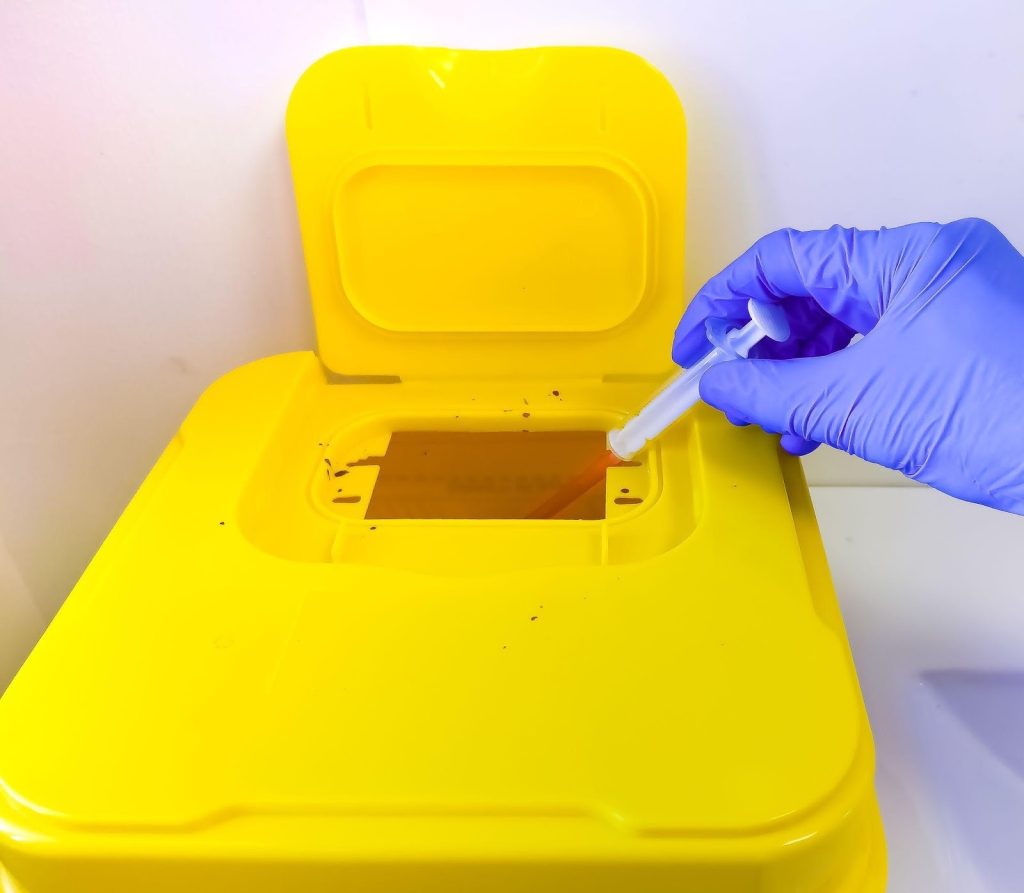
Compliance for hazardous waste is as much about habits as regulations. Risks decrease and audits proceed more swiftly when teams are aware of the guidelines and adhere to a defined procedure. The disposal of biohazard waste in Singapore adds extra controls because blood, sharps, and cultures demand segregation and proof of treatment. Use these reminders to avoid costly missteps and keep people, documentation, and environments safe every day.
1. Mixing Incompatible Waste Streams
Combining clinical sharps with chemical residues, solvents with oxidisers, or infectious bags with general refuse creates avoidable hazards. Keep a register of all waste produced on site and label containers at the point of generation. Train staff to spot red flags, such as liquid in a sharps tub or loose needles in a yellow bag. Segregation protects handlers and reduces rejected consignments.
2. Using The Wrong Packaging Or Liners
Thin liners tear, lids pop, and leaks follow. Choose UN-rated, puncture-resistant sharps containers and certified yellow bags for clinical waste, then seal to the marked fill lines. Use stiff bottles inside secondary containment with leak-proof closures for liquids. Match gaskets and liners to the chemicals involved. Correct packaging prevents spills in lifts, vehicles, and loading bays.
3. Skipping Labelling And Traceability
Unlabelled containers slow collections and trigger queries. Print durable labels that state the generator, location, date, contents, and hazards. Pre-fill consignment notes and keep a digital manifest that mirrors physical paperwork. For the disposal of hazardous waste in Singapore, track weights and batch numbers through to treatment certificates. Traceability proves custody and shortens audits.
4. Overfilling Bins And Sharps Tubs
Tubs jam when overfilled, forcing hands near needles. Bags burst when packed beyond the line. Set visual limits in rooms, add small posters near disposal points, and schedule pickups before storage nears capacity. Teach staff to clip, close, and lock correctly. Simple discipline avoids injuries, spills, and rejected loads that bounce back to the premises.
5. Storing Waste In Poorly Controlled Areas
Warm rooms and cluttered corridors invite odour, pests, and cross-contamination. Use ventilated, access-controlled bays with washable surfaces, clear aisles, and secondary containment for liquids. Separate clean items from waste, post PPE rules at the door, and keep emergency kits visible. Weekly inspections with short checklists catch early signs of drift so standards hold between audits.
6. Hiring Unverified Contractors
The lowest price can hide weak compliance. Verify that carriers and treatment facilities hold appropriate licences and have trained crews, maintained vehicles, and incident reporting. Request proof of route planning, spill kits, and insurance. Confirm how the contractor handles rejected waste and how quickly certificates arrive after treatment. A competent partner turns risk into routine logistics.
7. Treating Documentation As an Afterthought
Paperwork anchors compliance. Reconcile expected and actual weights on manifests the day of collection. File treatment certificates against each consignment and store records for the required period in a searchable system. When investigators ask for a specific batch, you should retrieve it in minutes. Good records also reveal trends that drive training and layout improvements.
8. Neglecting Staff Training And Refreshers
Procedures fail when only a few people know them. Build short, role-specific inductions for clinicians, lab techs, cleaners, and porters, then refresh quarterly with drills. Use real photos from your site to illustrate right and wrong setups, and rotate questions at toolbox talks. Confidence rises when everyone practises sealing, labelling, and handovers the same way, every time, on their shift.
9. Overlooking Spill Response And Incident Reviews
Spills happen even in careful settings. Keep absorbents, neutralisers, forceps, and sharps retrieval tools at arm’s length in storage and transfer areas. After any event, review root causes, update layouts or PPE, and brief the next shift. Small fixes prevent repeats and strengthen your audit trail.
Conclusion
Strong outcomes come from habits that hold under pressure. Segregate clearly, package correctly, and label every item when it is created. Store waste in clean, controlled bays and verify the competence of contractors before they collect. Treat records as a live control system, not an archive. When you avoid these mistakes, hazardous waste stays contained, staff work confidently, and the disposal of biohazard waste in Singapore remains predictable, safe, and audit-ready.
Contact BELFOR to audit hazardous and clinical waste workflows, implement compliant packaging and manifests, train staff on spill response, and coordinate licensed collections with end-to-end treatment certificates.