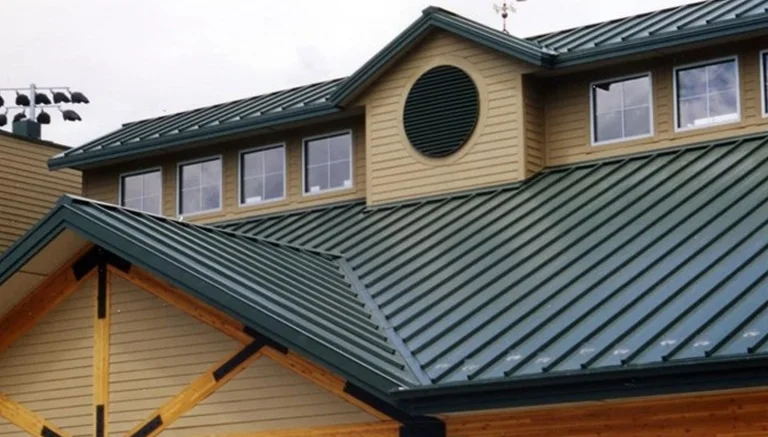
When it’s time for a new roof, many homeowners are faced with the big question: metal roofing vs. traditional shingles — which is better? Each roofing material has its strengths and weaknesses, and the right choice often depends on your budget, climate, and long-term goals. At Freedom Roofing Group, we’ve helped countless homeowners make informed decisions about the best roof for their property, and we’re here to break down the facts.
Durability and Longevity
One of the biggest advantages of metal roofing is its longevity. A properly installed metal roof can last 40 to 70 years, compared to 15 to 30 years for traditional asphalt shingles. Metal is highly resistant to cracking, shrinking, and eroding, and it can withstand extreme weather conditions like high winds, heavy rain, and hail. Shingles, while affordable and easy to install, tend to wear down faster over time, especially in areas with harsh weather.
Cost Considerations
Shingle roofing is typically cheaper upfront, making it a popular choice for budget-conscious homeowners. However, the long-term value of metal roofing often outweighs the initial investment. Since metal roofs last longer and require fewer repairs, they can save homeowners money in the long run. Plus, metal is more energy-efficient, which can lower your cooling costs during hot summers.
Maintenance Requirements
Shingle roofs require more frequent maintenance. They’re prone to issues like mold growth, granule loss, and curling. In contrast, metal roofs are low maintenance. They resist algae and moss, and you don’t have to worry about missing shingles after a storm. With periodic inspections and minimal upkeep, your metal roof will keep performing year after year.
Environmental Impact
If sustainability is a priority, metal roofing is the greener choice. It’s often made from recycled materials and is 100% recyclable at the end of its lifespan. Asphalt shingles, on the other hand, contribute significantly to landfill waste, making them less eco-friendly.
Aesthetic Appeal
Traditional shingles offer a classic look and come in various colors and textures. Metal roofing has come a long way in terms of design, now available in sleek, modern panels or even styles that mimic shingles or tiles. Whether your style is rustic or contemporary, metal roofs can deliver a bold visual impact.
So, Which is Better?
Ultimately, the decision comes down to your priorities. If you’re looking for affordability and a traditional appearance, shingles may suit your needs. But if you value longevity, durability, energy efficiency, and low maintenance, metal roofing is the clear winner.
At Freedom Roofing Group, we specialize in both metal roofing and traditional shingle installations. Our team is here to guide you through your options and help you choose the roofing solution that best fits your home and budget.
Ready to make the right roofing choice? Contact Freedom Roofing Group today for a free consultation and get expert advice on the best roofing system for your home.
This post was written by the team at Freedom Roofing Group. With over 30 years of combined experience, https://frgwillhelp.com/ is a trusted roofing company serving homeowners and businesses throughout Missouri. Specializing in roof repairs, replacements, and storm damage restoration, our in-house, factory-certified experts deliver high-quality workmanship and personalized service on every project. We’re committed to excellence and dedicated to giving back to the communities we serve.
As more Utah homeowners become conscious of their environmental impact, eco-friendly Christmas lighting has grown in popularity. Traditional incandescent bulbs consume a lot of energy and often have shorter lifespans, contributing to higher electricity bills and more waste. By opting for environmentally-friendly lighting options, you not only reduce your carbon footprint but also save money in the long run. Choosing sustainable lights aligns with Utah’s growing commitment to green living and helps ensure a festive season that’s both bright and responsible.
Energy-Efficient LED Lights
LED (Light Emitting Diode) Christmas lights are the most popular eco-friendly choice for holiday decorating. They use up to 75% less energy than traditional incandescent bulbs and can last 25 times longer. This means fewer replacements and less waste going into landfills. LED lights are also cooler to the touch, reducing the risk of fire hazards. Many LED options come with programmable features like timers and color-changing settings, allowing you to customize your display while conserving energy. For Utah’s often cold winters, LED lights perform reliably without dimming or flickering.
Solar-Powered Lighting Options
For homeowners looking to go completely off-grid, solar-powered Christmas lights are an excellent option. These lights charge during the day using sunlight and automatically turn on at dusk, eliminating electricity use altogether. Solar lights are especially useful in Utah’s sunny climate, where abundant sunlight ensures efficient charging even in winter months. Many solar light sets are waterproof and designed for outdoor use, making them a low-maintenance, eco-conscious choice for decorating your yard, roofline, or trees.
Sustainable Installation Practices
Eco-friendly lighting isn’t just about the bulbs—how you install your lights matters too. Use reusable clips and hooks instead of nails or staples to avoid damaging your home’s exterior. This not only preserves your siding and gutters but also makes it easier to take down and store your decorations each year, reducing waste. Additionally, consider installing timers or smart plugs to limit the hours your lights stay on, saving energy and reducing unnecessary electricity consumption. Choosing local installers who prioritize green practices can also help minimize the carbon footprint associated with your holiday setup. For the utah christmas light installation you need to be specific here.
Recycling and Disposal Tips
At the end of the season, proper disposal and recycling of Christmas lights are essential to maintaining eco-friendly habits. Many hardware stores and recycling centers in Utah offer programs to recycle old or broken holiday lights, preventing harmful materials from entering landfills. Avoid throwing lights into regular trash bins. Instead, keep them separate and seek out local recycling events or drop-off locations. By recycling your lights, you help recover valuable metals and plastics, supporting a circular economy and reducing environmental impact.
Conclusion
Utah homeowners have many eco-friendly Christmas light options that combine energy efficiency with festive beauty. From LED and solar-powered lights to sustainable installation and recycling practices, choosing green alternatives helps protect the environment while creating a magical holiday atmosphere. Brighten your home responsibly this season by embracing these eco-conscious lighting solutions.
Wooden aesthetics have long been favored for their timeless charm and warmth. In modern interiors, wooden floor tiles offer a smart, low-maintenance solution that captures the beauty of hardwood without the drawbacks. From durability to cost-effectiveness, this flooring option provides practical advantages while enhancing visual appeal. Let’s explore the top five reasons homeowners are making the switch.
1. Timeless Style That Elevates Any Room
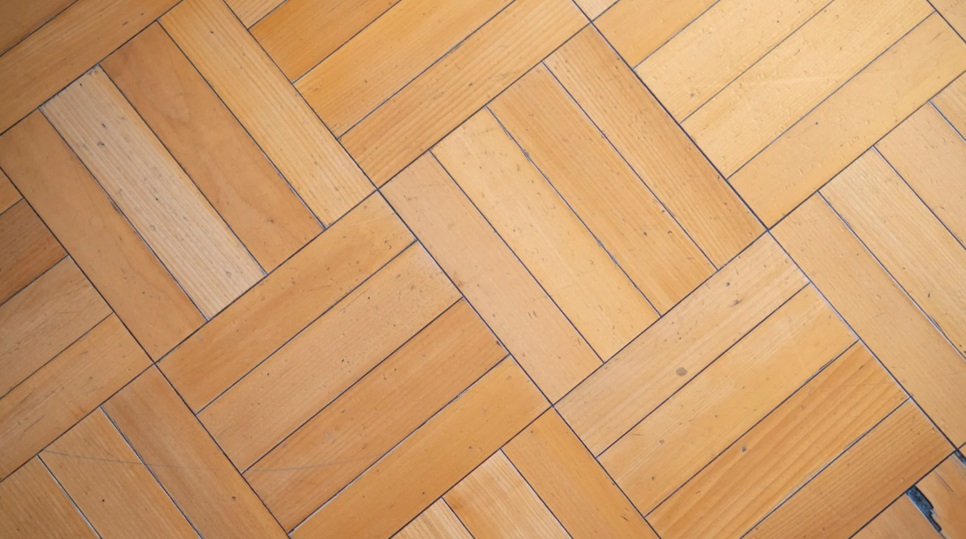
Wood-look floor tiles offer the rustic elegance of natural timber, allowing homeowners to enjoy rich textures and earthy tones that complement nearly any design scheme. Whether you prefer a Scandinavian minimalist space or a cozy farmhouse aesthetic, wood-effect tiles create a strong visual anchor. They are also available in a wide range of patterns, including herringbone, chevron, and wide planks, offering flexibility for designers and DIY remodelers alike.
2. Superior Resistance to Moisture
Unlike traditional hardwood, floor tiles designed to look like wood do not warp or swell due to moisture exposure. This makes them ideal for kitchens, bathrooms, and laundry rooms—spaces where spills, humidity, and splashes are common. The moisture resistance of these tiles also simplifies cleaning routines, requiring only standard mopping without the need for special treatments or sealing.
3. Long-Term Durability
One of the most cited advantages is their extended lifespan. When installed correctly, wooden-look porcelain or ceramic tiles can last for decades. They resist scratches, dents, and wear from heavy foot traffic, making them suitable for both family homes and high-use commercial spaces. Unique wooden décor ideas for home or business can include reclaimed wood accent walls, custom-carved signage, and handcrafted furniture pieces that add warmth, character, and a natural aesthetic.
4. Cost-Effective in the Long Run
While initial installation costs may be comparable to those of engineered wood, the longevity and ease of care of tile make it a cost-effective option over time. There’s no need for refinishing, staining, or re-sealing, and repairs are usually as simple as swapping a single tile. This makes wood-look tiles an ideal choice for budget-conscious homeowners seeking style without recurring upkeep.
5. Eco-Friendly Design Possibilities
By choosing tiles instead of hardwood, you’re reducing the demand for timber and helping preserve forests. Many manufacturers now offer sustainable options that utilize recycled content and employ energy-efficient processes. These tiles also pair well with radiant heating systems, improving thermal comfort without compromising on eco-conscious values.
Conclusion
Wood-look floor tiles are more than a design trend—they’re a strategic choice for homeowners seeking resilience, style, and sustainability in their living spaces. Their timeless appearance, moisture resistance, and low maintenance requirements make them a versatile solution that outperforms many flooring types in terms of functionality and value. The durability and longevity of wooden floor tiles make them a smart investment, offering resistance to wear, easy maintenance, and timeless appeal in both residential and commercial spaces. From modern renovations to classic redesigns, these tiles deliver the warmth of wood with the strength of stone. Investing in wood-look flooring ensures you’re not just upgrading aesthetics—you’re enhancing the lifespan and livability of your home.
Barcelona remains one of the top choices for affluent buyers seeking luxury homes. Known for its stunning architecture, rich cultural scene, and Mediterranean climate, the city offers far more than just a beautiful place to live.
The luxury real estate market in Barcelona is evolving. Today’s buyers are prioritizing style, comfort, privacy, and sustainability. They want properties equipped with modern technology and designed with the environment in mind.
Key Takeaways
The luxury property market in Barcelona is evolving with changing buyer preferences.
Buyers are seeking unique, high-end properties with advanced amenities.
Sustainability is becoming a key factor in luxury property purchases.
Barcelona’s cultural heritage and lifestyle continue to attract high-net-worth individuals.
The city’s luxury real estate market is expected to remain robust.
The Current State of Barcelona’s Luxury Real Estate Market
The luxury real estate barcelona market is shaped by both local dynamics and global economic trends. As a key destination for high-net-worth individuals, it is sensitive to shifts in the global economy.
Market Performance in 2023–2024
According to Idealista, the average house price in Barcelona reached €4,561 per square meter by Q3 2024—a 9.8% increase from 2023. This sharp rise highlights the growing demand for luxury homes in the city.
Impact of Global Economic Factors
International fluctuations in interest rates and currency values influence Barcelona’s luxury market. However, the city’s enduring charm and strong international appeal make it more resilient to downturns. Nonetheless, the market remains responsive to shifts in global wealth and investor sentiment.
Prime Locations Dominating Luxury Real Estate Barcelona
Barcelona’s luxury housing landscape features several prime areas that consistently attract affluent buyers, each offering unique architectural beauty, privacy, or waterfront access.
Eixample: The Architectural Haven
Eixample is renowned for its Modernist buildings and iconic grid layout. Buyers are especially drawn to renovated properties that blend historical detail with contemporary upgrades.
Renovated Modernist buildings
High-end amenities
Central location
Zona Alta: Exclusivity and Prestige
Zona Alta offers a peaceful and refined environment, filled with elegant villas and luxury apartments. Its proximity to the city center, combined with its quiet surroundings, makes it ideal for those seeking privacy and prestige.
Waterfront Properties in Barceloneta and Vila Olímpica
Poblenou, Vila Olímpica and Diagonal Mar are in high demand thanks to their spectacular sea views and direct beach access. These areas are popular among buyers who want the convenience of urban living combined with a relaxed beachfront lifestyle.
Key features include:
Direct beach access
Panoramic sea views
Modern amenities and services
Property Types in High Demand
Barcelona’s luxury market caters to a diverse range of buyers. From beautifully restored historic apartments to cutting-edge new developments, the city offers something for every preference.
These properties are especially sought after for their unique architecture, private terraces, and panoramic city views. They offer an exceptional blend of historic character and modern sophistication.
Luxury Villas with Mediterranean Views
Spacious villas with sea views remain a top choice for buyers looking for exclusivity and natural beauty. These homes often feature generous living spaces, private pools, landscaped gardens, and top-tier finishes—especially in areas like Zona Alta.
New Development Projects and Pre-Construction Opportunities
Modern developments are increasingly attractive to buyers who value smart technology, energy efficiency, and customization. Pre-construction properties also offer the chance to personalize interiors and capitalize on future value appreciation.
Essential Amenities Luxury Buyers Expect
Luxury buyers in Barcelona have high expectations. Properties must offer features that enhance both lifestyle and property value.
Private Outdoor Spaces: Terraces and Gardens
Terraces and gardens are essential in high-end homes. These outdoor areas offer a peaceful escape from city life and allow residents to enjoy Barcelona’s sunny climate. Designed with elegance and functionality in mind, they often include lush landscaping, lounge areas, and outdoor kitchens.
Wellness Facilities: Pools, Spas, and Fitness Areas
Wellness is a growing priority. Luxury homes often include private pools, spas, and fully equipped fitness spaces. These amenities appeal to health-conscious buyers looking for relaxation and a holistic lifestyle.
Smart Home Technology Integration
Tech-savvy buyers want homes equipped with the latest smart features. Automation systems for lighting, climate control, security, and entertainment are becoming standard. These technologies enhance daily living while also boosting the property’s value.
Architectural Preferences and Design Trends
Design trends in Barcelona’s luxury market reflect a growing demand for sustainability and aesthetic harmony. Today’s luxury homes balance heritage with innovation.
Blending Historic Elements with Modern Aesthetics
Barcelona’s older buildings are being carefully restored to preserve their charm while incorporating sleek, contemporary interiors. This fusion respects the city’s cultural legacy while meeting modern luxury standards.
Open-Concept Living Spaces
Open-plan designs are increasingly favored, maximizing natural light and creating seamless transitions between indoor and outdoor areas. These layouts enhance spatial flow and elevate the overall living experience.
Sustainable and Biophilic Design Elements
Eco-conscious buyers are drawn to green design features. Homes now include solar panels, rainwater collection systems, and green roofs. Incorporating natural materials and indoor plants also supports wellness and environmental responsibility.
International Buyer Demographics and Motivations
Barcelona is seeing a steady rise in international buyers who are motivated by the city’s unique lifestyle, stable market, and long-term investment potential.
Key Nationalities Investing in Barcelona
Recent data shows that buyers from the UK, Sweden, and the Netherlands are among the top investors in Spain’s luxury property sector—and Barcelona is a key destination for them.
Primary Residences vs. Second Homes
Some buyers are relocating permanently, while others are looking for vacation homes or income-generating investments. Barcelona’s combination of lifestyle appeal and market strength attracts both types of buyers.
Investment-Driven Purchases
Investors are targeting properties with strong rental income and appreciation potential. For more on this, check Spotblue’s research on Spain’s real estate. The city’s resilience and steady demand make it an attractive long-term investment.
Price Trends and Investment Potential
Barcelona offers more than an exceptional lifestyle—it also delivers competitive returns for real estate investors.
Price Per Square Meter Analysis by Neighborhood
Luxury property prices vary significantly by area. Eixample and Zona Alta lead with rates ranging from €15,000 to over €20,000 per square meter. Waterfront homes in Barceloneta and Vila Olímpica also command high prices due to their prime location and premium views.
ROI Expectations for Luxury Properties
Rental yields for luxury homes in Barcelona range from 4% to 7%, surpassing returns in cities like Krakow, Rome, Milan, London, Stockholm, and Paris. This performance makes the city one of Europe’s most attractive luxury property markets.
Comparison with Other European Luxury Markets
Barcelona stands out with its consistent demand, cultural richness, and favorable investment environment. Unlike markets such as Paris or London that face greater volatility, Barcelona maintains steady growth supported by both domestic and international buyers.
Legal Considerations for International Luxury Buyers
Navigating Spain’s legal framework is essential for a smooth property purchase. International buyers should understand key legal and tax implications to avoid setbacks.
Taxation for Non-Resident Property Owners
Non-resident owners are subject to Spanish tax laws. This includes taxation on rental income and capital gains. Understanding deadlines and tax rates is crucial to ensure compliance and avoid penalties.
Working with Legal Representatives and Property Managers
Given the complexity of Spanish property law, it’s advisable to work with experienced legal advisors and property managers. These professionals can guide buyers through the process, ensure legal compliance, and provide reliable property oversight.
Sustainability as a Growing Priority
Sustainability is becoming a central focus in Barcelona’s luxury property market. Buyers now want homes that reflect their values—combining environmental responsibility with modern luxury.
Energy-Efficient Luxury Properties
High-efficiency homes reduce environmental impact and operating costs. Features such as thermal insulation, energy-saving systems, and efficient appliances are now standard in many high-end developments.
Eco-Friendly Building Materials and Practices
Developers are embracing sustainable building methods, using materials that are ethically sourced and environmentally friendly. This not only appeals to eco-conscious buyers but also enhances the long-term value of the property.
Green Certifications and Their Impact on Property Value
Certifications such as LEED and BREEAM provide official recognition of a property’s sustainability. These certifications increase market appeal and can positively influence resale value.
The Influence of Barcelona’s Lifestyle on Property Decisions
Barcelona’s lifestyle is a major driver in real estate decisions. The city’s cultural richness, food scene, and family-oriented amenities all influence where buyers choose to invest.
Cultural Attractions and Their Impact on Location Preference
Proximity to iconic sites like La Sagrada Família and Park Güell significantly boosts a property’s appeal. Neighborhoods such as Eixample and Gràcia are particularly attractive for their cultural depth and walkability.
Gastronomy and Nightlife Considerations
Barcelona’s world-class dining and vibrant nightlife shape buying preferences. Proximity to acclaimed restaurants like El Xampanyet or Tickets Bar is a plus for gastronomes. Trendy districts like El Raval and Poblenou attract younger, socially active buyers.
International Schools and Family-Friendly Amenities
Families value access to international schools such as the International School of Barcelona and the British School of Barcelona. Neighborhoods like Les Corts and Sarrià-Sant Gervasi are ideal for families due to their safety, green spaces, and community amenities.
Navigating Barcelona’s Luxury Property Market: Expert Advice for Prospective Buyers
Buying luxury real estate in Barcelona is easier with the right guidance. Work with experienced agents who specialize in high-end properties. They can provide insights, handle legal requirements, and help you secure the best opportunities.
Stay informed about pricing, emerging neighborhoods, and local regulations. With expert support and solid market knowledge, you’ll be well-positioned to find the ideal property—whether for personal use or as an investment.
Frequently Asked Questions (FAQs)
1. Is Barcelona a good city for luxury real estate investment? Yes. Barcelona offers a stable property market, high rental yields (up to 7%), and strong international demand, making it a smart choice for both lifestyle and investment purposes.
2. What areas in Barcelona are best for buying luxury properties? Popular areas include Eixample for its architectural charm, Zona Alta for exclusivity and tranquility, and waterfront areas like Barceloneta and Vila Olímpica for stunning sea views.
3. What types of luxury homes are available in Barcelona? Buyers can choose from historic penthouses, modernist apartments, beachfront residences, and high-end villas with Mediterranean views. There are also new developments with cutting-edge design and smart technology.
4. What amenities do luxury buyers expect in Barcelona properties? Common expectations include private outdoor spaces, pools, fitness facilities, smart home systems, high-end finishes, and sustainable design features.
5. How is sustainability influencing luxury real estate in Barcelona? Buyers are increasingly looking for energy-efficient homes, eco-friendly materials, green certifications (like LEED), and biophilic design elements that blend luxury with environmental consciousness.
The future of home design is about blending technology, sustainability, and personalized spaces to cater to modern lifestyles. Whether you’re planning to build a custom property or upgrade an existing one, working with a skilled home builder in Ocoee, TN, can ensure these trends are implemented seamlessly. Professionals bring expertise to designs that reflect innovation and comfort, setting the stage for homes that are both functional and stylish. Below, explore the key trends that are predicted to shape homes in 2025.
Sustainability at the Core
Eco-conscious designs are becoming a top priority as homeowners look to reduce their environmental impact while maintaining a high standard of living.
Energy-Saving Elements
Builders are incorporating features like solar panels, energy-efficient windows, and improved insulation systems in all kinds of projects. These not only help reduce energy bills but also provide long-term sustainability. Materials such as reclaimed wood, recycled steel, and bamboo are gaining popularity for their low environmental footprint and unique aesthetic quality.
Smart home systems are also evolving, balancing energy use with homeowner needs. Programmable thermostats and smart lighting systems further enhance energy efficiency while elevating convenience.
Flexible Spaces for Modern Living
Adapting to shifting needs has become central in modern home design, with versatile layouts gaining favor.
Open Floor Plans
The demand for open floor plans that merge living areas remains strong. These layouts foster a natural flow between spaces and create an expansive feel. Large glass sliding doors make it easier to integrate indoor and outdoor spaces, extending living areas to decks, patios, and landscaped gardens. Thoughtful accents like statement rugs or lighting keep open-concept designs cohesive.
For ideas on how to merge styles in such adaptable layouts, consider modern decorating trends that showcase innovative uses of color, texture, and structure in transitional spaces.
Wellness-Centric Designs
Homeowners are prioritizing health and relaxation, transforming homes into havens of well-being.
Spa-Inspired Bathrooms
The bathroom is evolving into a personal retreat. Trends show rising demand for features like rainfall showers, freestanding tubs, and soft ambient lighting that evokes a spa atmosphere. Natural textures like stone and wood, combined with calming tones such as sage green and soft neutrals, enhance the serenity. Wellness doesn’t stop there, as many new builds also dedicate spaces to exercise zones or meditation nooks.
Smart Home Upgrades
Technology is no longer just an add-on; it’s a key consideration in home design planning.
Integrated Tech Features
Tech-powered homes are becoming standard, with voice-controlled devices, automated blinds, and smart kitchen appliances leading the way. These advancements provide seamless control over lighting, security, and even climate settings. Builders work hand-in-hand with automation experts to create tech-savvy homes that operate intuitively and look sleek.
The integration of smart features also complements sustainable designs by optimizing energy consumption and ensuring that advanced homes are both modern and responsible.
Minimalism with Personality
Minimalist aesthetics are evolving to balance simplicity with bold, personalized touches.
Statement Features
Neutral tones still establish the foundation of minimalist interiors, but they’re often paired with standout features like textured walls, unique lighting fixtures, or bespoke furniture. Built-in storage solutions allow for tidy, clutter-free spaces, while custom pieces reflect individuality. This new wave of minimalism emphasizes practicality without compromising on character.
Conclusion
The design trends of 2025 aim to make homes more sustainable, adaptable, and personalized. From eco-friendly materials and flexible layouts to wellness-focused interiors and integrated tech, each innovation is reshaping the way we live. Hiring professional builders and designers ensures these elements are executed with precision, creating homes that are both current and timeless. By incorporating these trends, you’re not just crafting a living space; you’re investing in a future-ready sanctuary tailored to your needs.
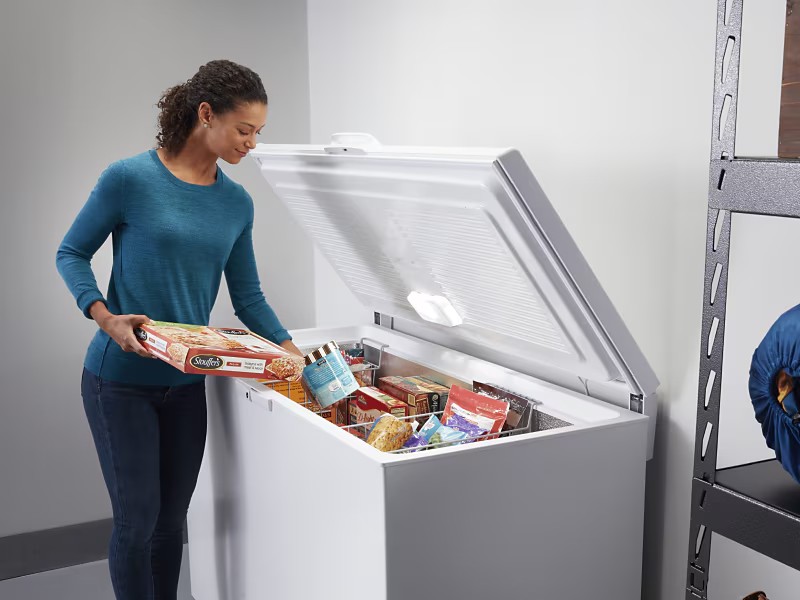
Freezing food is something we take for granted, but behind every frozen meal, ice cube, or tub of ice cream, there is a complex machine doing all the hard work. Mechanical freezers are a key part of modern food storage, helping to keep products fresh for longer. But how do they actually work, and why are they so important in our daily lives?
The science behind mechanical freezers
A mechanical freezer works by removing heat from the inside and releasing it outside, keeping the interior at a consistently low temperature. It all starts with a liquid refrigerant, which absorbs heat as it evaporates into a gas. This gas then moves through a compressor, which increases its pressure and temperature. As it flows through coils, it releases heat and turns back into a liquid. The cycle repeats continuously, keeping everything inside the freezer cold.
This process allows mechanical freezers to reach temperatures far below freezing, ensuring that food stays fresh for weeks or even months. Unlike older freezing methods, such as using blocks of ice, modern mechanical freezers provide stable and reliable cooling without manual effort.
Why mechanical freezers are essential
Mechanical freezers have completely changed the way we store food. Before their invention, people relied on ice houses and salt to preserve food, which was inconvenient and unreliable. Today, freezers make it easy to store food safely, reducing waste and saving money.
In homes, freezers allow families to buy food in bulk, store leftovers, and enjoy frozen meals at any time. For businesses, especially in the food industry, freezers are critical for keeping ingredients fresh and ensuring food safety. Supermarkets, restaurants, and even hospitals depend on mechanical freezers to store everything from frozen vegetables to life-saving medical supplies.
Innovations in mechanical freezing
While the basic principles of mechanical freezing have stayed the same, technology has continued to evolve. Modern freezers now come with energy-efficient designs, smart temperature controls, and even frost-free technology. Some models can adjust temperatures automatically, making them more convenient and reducing energy consumption.
There are also specialized mechanical freezers designed for different industries.
For example, ultra-low temperature freezers can store vaccines and laboratory samples, while blast freezers rapidly cool food to maintain texture and quality. These innovations make mechanical freezers more efficient and adaptable to various needs.
The future of freezing technology
As technology advances, mechanical freezers are becoming more sustainable. Researchers are developing new refrigerants that have less impact on the environment, as traditional ones contribute to global warming. Solar-powered freezers and energy-saving designs are also helping to reduce electricity use, making freezing more eco-friendly.
The role of mechanical freezers will only grow as global food demand increases. With improved efficiency, smarter designs, and greener technology, they will continue to be an essential part of modern life, keeping food fresh, safe, and ready whenever we need it.
Asbestos was once hailed as a miracle material due to its resistance to heat and corrosion. It became a staple in construction, particularly from the late 19th century until the late 20th century. Builders used it extensively in various applications, from insulation to fireproofing. Despite its benefits, the health risks associated with asbestos were not immediately apparent, leading to widespread use in many commercial structures.
Common Locations of Asbestos in Buildings
In commercial buildings, asbestos can be found in numerous areas:
Roofing Materials: Often used in shingles and underlayment.
Insulation: Common in pipes, boilers, and ductwork.
Flooring: Vinyl tiles and adhesives frequently contained asbestos.
Ceiling Tiles: Particularly those with acoustic properties.
Fireproofing Materials: Sprayed coatings and plasters.
These materials, if disturbed, can release asbestos fibers into the air, posing a risk to occupants.
Identifying Asbestos in Older Structures
Identifying asbestos in older buildings requires a thorough asbestos report conducted by professionals. This involves:
Assessing the condition of the ACMs to determine potential risks.
It’s crucial to engage certified experts to handle this task to ensure safety and compliance with regulations. Regular inspections can help in managing the presence of asbestos and planning for any necessary abatement.
Health Risks Associated with Asbestos Exposure
Types of Diseases Linked to Asbestos
Asbestos exposure is notorious for its severe health implications, primarily causing various forms of cancer. Lung cancer and mesothelioma are the most prevalent diseases associated with asbestos. Mesothelioma, a cancer affecting the lining of the lungs and abdomen, is exclusively linked to asbestos exposure. Additionally, asbestos can lead to cancers of the larynx, ovaries, and gastrointestinal tract. Even short-term exposure to asbestos dust can significantly increase the risk of developing these conditions, making it crucial to manage and mitigate asbestos exposure in environments where it is present. For more information on the risks of short-term exposure, see this article.
Long-Term Health Implications
The latency period of asbestos-related diseases can be alarmingly long, often taking 20 to 60 years to manifest. This long delay between exposure and the onset of symptoms makes it challenging to diagnose and treat these diseases early. Asbestosis, a chronic lung disease caused by inhaling asbestos fibers, is another serious condition that can develop, leading to progressive lung damage and respiratory failure over time. The long-term implications of asbestos exposure underscore the necessity for stringent safety protocols and regular health monitoring for individuals who have been exposed.
Vulnerable Populations and Asbestos
Certain groups are more susceptible to the dangers of asbestos exposure. Workers in construction, demolition, and shipbuilding industries are at a heightened risk due to the nature of their work. Family members of these workers can also be affected through secondary exposure, as asbestos fibers can be carried home on clothing and equipment. Furthermore, older buildings that still contain asbestos pose a risk to occupants and maintenance workers. Protecting these vulnerable populations requires comprehensive safety measures, including protective gear, regular health screenings, and thorough asbestos management plans.
Regulatory Framework Governing Asbestos in Commercial Properties
Key Regulations and Guidelines
When it comes to managing asbestos in commercial buildings, understanding the regulatory landscape is crucial. Federal regulations play a significant role in ensuring safety. The National Emission Standards for Hazardous Air Pollutants (NESHAP), under the Clean Air Act, sets stringent guidelines for the demolition and renovation of structures to prevent asbestos exposure. Additionally, the Asbestos Hazard Emergency Response Act (AHERA) mandates that only certified professionals handle asbestos-containing materials, especially in public and educational buildings. Compliance with these federal guidelines is non-negotiable.
Role of OSHA and EPA
The Occupational Safety and Health Administration (OSHA) and the Environmental Protection Agency (EPA) are pivotal in regulating asbestos management. OSHA focuses on workplace safety, ensuring that workers are protected from asbestos exposure through stringent safety standards and training requirements. The EPA, on the other hand, oversees environmental regulations, including the reduction of asbestos fibers released into the air during handling activities. Both agencies work in tandem to minimize health risks associated with asbestos.
State and Local Compliance Requirements
Beyond federal oversight, state and local governments impose additional regulations that can be even more stringent. These rules vary significantly across different jurisdictions, requiring property owners to stay informed about local laws. For instance, some states may require more frequent inspections or specific disposal methods for asbestos-containing materials. Property managers must navigate these layers of regulation to avoid penalties and ensure the safety of building occupants.
Asbestos Management and Safety Protocols
Developing an Asbestos Management Plan
Creating a solid asbestos management plan is essential for any commercial building that might contain asbestos. This plan should start with a comprehensive survey to identify asbestos-containing materials (ACMs) and assess the condition and risks associated with them. It’s crucial to keep an updated asbestos register that logs the location, type, and condition of ACMs. Regular inspections should be scheduled to ensure no changes in the condition of these materials. The plan must also outline procedures for emergency situations, such as accidental disturbance of asbestos.
Training and Protective Measures
Training is a key component in managing asbestos risks. Employees, especially those involved in maintenance and construction, must be educated about the dangers of asbestos and the safety procedures they need to follow. Providing personal protective equipment (PPE) is vital when workers are potentially exposed to asbestos fibers. This includes respirators and protective clothing to minimize exposure. Regular training sessions should be held to keep everyone informed about the latest safety protocols.
Monitoring and Maintenance Procedures
Ongoing monitoring is necessary to ensure the safety of building occupants. This involves air quality testing to detect any asbestos fibers in the environment. Maintenance procedures should include regular checks on the condition of ACMs and prompt repairs if any damage is found. It’s also important to have a system in place for reporting and addressing any suspected asbestos disturbances. By following these requirements for managing asbestos, building managers can comply with regulations and protect the health of everyone who uses the building.
Renovation and Demolition Considerations for Asbestos-Containing Buildings
Pre-Demolition Surveys and Testing
Before any renovation or demolition begins, it’s crucial to conduct a thorough survey to identify asbestos-containing materials (ACMs). This involves hiring a certified asbestos professional to assess the building and determine the presence and condition of ACMs. Testing is mandatory to ensure the safety of workers and occupants. The survey should focus on common areas like flooring, walls, ceilings, and insulation. Identifying asbestos early can prevent dangerous exposure during construction activities.
Safe Removal and Disposal Practices
Once asbestos is identified, safe removal and disposal become a priority. Engaging licensed abatement contractors is essential. They use specialized techniques such as encapsulation, enclosure, and removal to manage asbestos safely. Removal is often necessary during demolitions to eliminate exposure risks. It’s also important to follow strict disposal regulations to prevent environmental contamination. For more on handling and disposing of asbestos, consider exploring safe methods for handling asbestos.
Legal Obligations During Renovation
Legal requirements for asbestos management are governed by various regulations, including the National Emission Standards for Hazardous Air Pollutants (NESHAP) and the Asbestos Hazard Emergency Response Act (AHERA). These laws mandate that only trained professionals handle asbestos and that all activities comply with federal, state, and local guidelines. Failure to adhere to these regulations can result in hefty fines and legal consequences. Property owners must stay informed about their obligations to ensure compliance and safety.
Insurance and Liability Concerns Related to Asbestos
Impact on Property Insurance
When it comes to property insurance, asbestos can be a significant factor. Insurance companies often view asbestos as a high-risk element due to potential health hazards and the costs associated with its removal. Asbestos presence can increase premiums or even lead to denial of coverage. Policies may require property owners to conduct regular inspections and maintain an asbestos register. This register serves as a record of asbestos locations within the building, ensuring that both the insurer and the insured are aware of potential risks.
Liability for Property Owners
Property owners have a legal responsibility to manage asbestos risks effectively. Failure to do so can result in serious legal consequences. Asbestos liability refers to the legal obligation of property owners to ensure that asbestos-related risks are minimized. If someone is exposed to asbestos on their property and suffers health issues, the owner could face lawsuits and substantial financial penalties. Thus, it’s crucial for property owners to engage in regular inspections and adhere to safety regulations to mitigate these risks.
Risk Mitigation Strategies
Mitigating asbestos-related risks involves several proactive strategies:
Regular Inspections: Conduct periodic inspections to identify and assess asbestos risks.
Asbestos Management Plan: Develop and implement a comprehensive plan to manage asbestos safely.
Professional Consultation: Hire certified asbestos consultants to evaluate and manage asbestos risks effectively.
By implementing these strategies, property owners can reduce their liability and ensure a safer environment for occupants and visitors.
Technological Advances in Asbestos Detection and Removal
Innovative Testing Methods
In recent years, the field of asbestos detection has seen significant technological progress. One of the leading approaches is Transmission Electron Microscopy (TEM), which uses electron beams for precise analysis. This method stands out for its ability to detect even the smallest asbestos fibers, ensuring accurate assessments. TEM has been further enhanced to improve its effectiveness, making it a reliable choice for asbestos testing.
Modern Abatement Techniques
Once asbestos is detected, the next step is removal. Modern abatement techniques prioritize safety and efficiency. The process often begins with sealing off the work area using plastic sheeting and tape to prevent contamination. A negative pressure environment is maintained with exhaust units equipped with HEPA filters to ensure no asbestos fibers escape. Here are some key steps involved:
Wetting down asbestos materials before removal to minimize dust.
Using specialized vacuums and wet mops for cleanup.
Conducting air monitoring to ensure safety throughout the process.
Future Trends in Asbestos Management
Looking ahead, the future of asbestos management is promising with continued technological advancements. Innovations in detection and removal are expected to further reduce risks associated with asbestos exposure. As technology evolves, we can anticipate more efficient and safer methods for managing asbestos in commercial buildings. Embracing these advancements will be crucial in safeguarding public health and maintaining safe environments.
Environmental Impact of Asbestos in Commercial Settings
Asbestos and Air Quality
Asbestos, when disturbed, releases tiny fibers into the air. These fibers can linger, posing a risk to anyone nearby. Air quality can be severely affected, especially in older buildings where asbestos materials might be deteriorating. Individuals working or residing in such environments may face increased exposure if proper precautions aren’t taken. Regular monitoring of air quality is essential to detect any asbestos fibers in the atmosphere, ensuring that safety measures can be implemented promptly.
Waste Management Challenges
Disposing of asbestos waste is not straightforward. It requires careful handling and adherence to strict regulations to prevent contamination. Improper disposal can lead to environmental pollution, affecting soil and water sources. Facilities must follow designated procedures to transport and dispose of asbestos waste safely. This involves using specialized containers and ensuring that waste is deposited in approved landfills designed to handle hazardous materials.
Sustainable Practices for Asbestos Disposal
To minimize environmental impact, sustainable practices in asbestos disposal are gaining attention. These practices include recycling certain asbestos materials where possible and using advanced technologies to neutralize its harmful effects. Emphasizing eco-friendly methods in handling asbestos waste not only protects the environment but also aligns with broader goals of sustainability. Organizations are encouraged to adopt these practices to reduce their ecological footprint while maintaining compliance with environmental regulations.
Case Studies of Asbestos Management in Commercial Buildings
Successful Asbestos Abatement Projects
In examining successful asbestos abatement projects, it’s clear that a well-structured plan is essential. One notable example is the cleanup effort at the historic former Marine Corps Air Station Hangar after a fire on November 7, 2023. The response, led by ATI, demonstrated the importance of quick action and thorough assessment. Key steps included:
Initial assessment and identification of asbestos-containing materials.
Development of a comprehensive abatement plan tailored to the specific needs of the site.
Execution of the plan by certified professionals to ensure safety and compliance.
These steps underscore the need for meticulous planning and execution in managing asbestos risks effectively.
Lessons Learned from Past Incidents
Past incidents have taught us valuable lessons about handling asbestos in commercial buildings. One critical takeaway is the importance of early detection and intervention. Delays in addressing asbestos can lead to increased health risks and legal complications. For example, in older buildings, routine maintenance activities like HVAC cleaning can inadvertently disturb asbestos fibers if not properly managed. Thus, a proactive approach is crucial.
Best Practices in Asbestos Risk Management
Implementing best practices in asbestos risk management involves:
Regular inspections by qualified professionals to identify potential asbestos hazards.
Continuous training for staff on asbestos awareness and safety protocols.
Establishing clear communication channels to ensure that all stakeholders are informed about asbestos management plans.
By adhering to these practices, building owners can minimize risks and maintain a safe environment for occupants.
The Role of Professional Asbestos Consultants
Importance of Hiring Certified Experts
When dealing with asbestos in commercial buildings, hiring certified experts is not just a recommendation—it’s a necessity. These professionals possess the specialized knowledge and skills to identify, assess, and manage asbestos risks effectively. Without proper certification, individuals may overlook critical details, leading to potential health hazards. Certified consultants are trained to adhere to regulations, ensuring that all procedures comply with legal standards, which is crucial for both safety and liability.
Consultant Services and Offerings
Professional asbestos consultants provide a range of services to help manage asbestos in commercial properties efficiently. These services typically include:
Comprehensive Surveys: Conducting thorough inspections to locate and identify asbestos-containing materials (ACMs).
Risk Assessments: Evaluating the condition and potential risk of identified asbestos materials.
Management Plans: Developing detailed plans to manage and mitigate asbestos risks, including maintenance and monitoring strategies.
These offerings are designed to minimize exposure and ensure a safe environment for building occupants.
Choosing the Right Asbestos Consultant
Selecting the right consultant is a critical step in managing asbestos risks. It’s important to consider several factors:
Certification and Qualifications: Ensure the consultant holds the necessary credentials and has experience in handling asbestos in commercial settings.
References and Reviews: Look for testimonials or case studies that demonstrate the consultant’s track record of successful projects.
Communication Skills: A good consultant should clearly explain the processes and keep all stakeholders informed throughout the project.
Making an informed choice can significantly impact the effectiveness of asbestos management efforts, safeguarding both health and property.
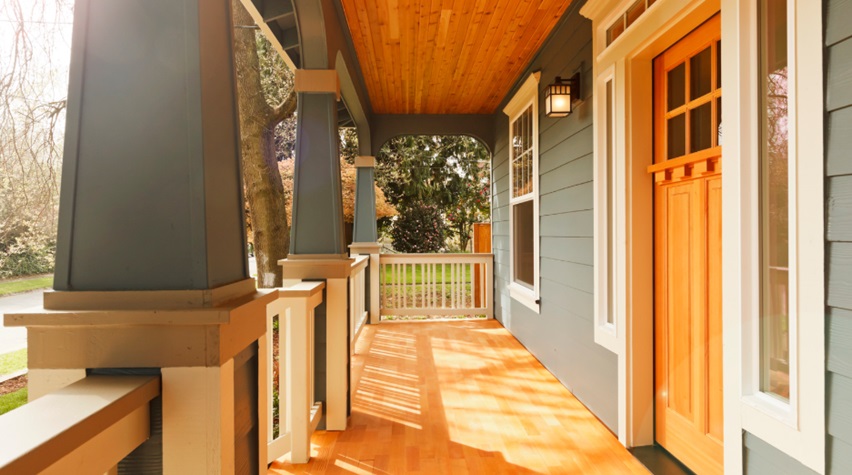
A covered porch is a fantastic addition to any home, offering both charm and functionality. The right flooring not only enhances the beauty of covered porches in Alpharetta but also ensures durability that withstands the elements. Understanding your options and their benefits can help you make the perfect choice for your space.
Factors to Consider When Choosing Porch Flooring
When selecting the right flooring for your covered porch, several factors come into play. Here are some key aspects to keep in mind:
Weather Resistance
Although covered porches are shielded from direct rainfall and sunlight, they are still susceptible to changes in temperature and humidity. Choosing materials that resist warping, cracking, or fading is essential for long-lasting performance.
Maintenance Requirements
Some materials require regular upkeep, while others are nearly maintenance-free. Consider how much time and effort you’re willing to invest in cleaning and maintaining your porch floor.
Style and Aesthetics
Your porch flooring should complement your home’s architectural style and décor. Whether you prefer rustic textures or sleek designs, there’s an option that will suit your taste.
Cost and Longevity
Balance your budget with the lifespan of the material. Cheaper options may save money upfront but could require replacement sooner than more durable choices.
Best Flooring Options for Covered Porches
To make your porch look appealing and withstand daily wear, here are some of the most popular flooring options to consider.
Wood
Wood flooring gives your covered porch a warm and natural look. Whether it’s cedar, redwood, or pressure-treated pine, wooden floors are classic favorites. Opt for weatherproof sealants and regular maintenance to preserve their appearance.
Porcelain Tile
Porcelain tiles are both stylish and durable. Resistant to moisture, stains, and scratches, they’re an excellent choice for high-traffic areas. Plus, their wide range of patterns and colors can fit almost any design preference.
Composite Decking
Made from a blend of wood fibers and recycled plastic, composite decking is a low-maintenance and eco-friendly option. It mimics the appearance of wood while offering superior resistance to mildew, fading, and insects.
Brick or Stone Pavers
Brick or stone pavers add a durable, classic touch to your porch. Their rich textures and natural appeal are excellent for creating a welcoming atmosphere. These materials also tie in beautifully with outdoor features, enhancing the connection between your porch and the surrounding landscape, as explained in ways to boost your home’s outdoor charm.
Stained Concrete
For a modern, budget-friendly option that’s easy to clean, stained concrete is worth considering. With numerous color variations and patterns, it’s a versatile material that can match various home designs.
Tips to Help You Decide
Evaluate the Area’s Needs
Think about how you plan to use your porch. A seating area may prioritize aesthetics, while a high-traffic space might need durable, easy-to-clean materials.
Test Comfort and Safety
Consider how the flooring feels underfoot, especially if you walk barefoot often. Also, ensure the material you choose is slip-resistant for added safety.
Consult with Professionals
If you’re unsure about which material is best for your covered porch, professional guidance can help you weigh your options and make an informed decision.
By carefully assessing your preferences and practical needs, you’ll find the ideal flooring to elevate your porch’s charm and functionality. Enjoy a space that’s both stylish and welcoming for years to come!
Stair lifts are a transformative solution for anyone seeking mobility and independence within their home. They ensure safety, convenience, and accessibility, particularly for elderly individuals or those with mobility challenges. If you’re exploring this option, understanding the associated costs is crucial. In this comprehensive guide, we’ll cover all aspects of stair lift pricing, from initial costs to ongoing expenses, helping you make an informed decision.
1. What is a Stair Lift?
A stair lift is a motorized chair that travels along a rail fitted to your staircase, enabling easy access to upper or lower floors. Whether your staircase is straight, curved, or even spiral, modern stair lifts, like the E50 stairlift, can adapt seamlessly to your home design while offering unmatched safety and comfort.
2. Why Consider a Stair Lift?
Enhanced Mobility: Ideal for seniors or individuals recovering from surgery.
Safety First: Reduces the risk of falls on stairs.
Independence: Eliminates the need for constant assistance.
Space-Saving Design: Modern models like the E50 fold neatly when not in use.
3. Factors Influencing Stair Lift Costs
The price of a stair lift can vary based on multiple factors:
Staircase Type: Straight staircases are less expensive compared to curved or spiral ones, which require customized rails.
Features and Technology: Advanced features like patented ASL technology, adjustable seats, and ergonomic designs influence costs.
Brand and Quality: Premium brands offer high-quality designs and innovative technologies, ensuring durability and reliability.
Installation Requirements: Complex installations may increase the overall cost.
4. Average Cost of a Stair Lift
Straight Stair Lifts: $3,000 – $5,000
Curved Stair Lifts: $73,000 – $143,000
Outdoor Stair Lifts: $4,000 – $7,000
Prices include the basic model, installation, and warranty. Keep in mind that high-end models or additional customizations, such as premium upholstery or enhanced safety features, can increase costs.
5. Hidden Costs to Consider
Maintenance and Repairs: Regular servicing ensures longevity but may add annual costs of $150-$300.
Extended Warranty Plans: Protects against unexpected breakdowns.
Battery Replacement: Essential for uninterrupted performance; expect costs of $50-$200.
6. Funding Options for Stair Lifts
Government Grants: Some local or national programs may offer subsidies for mobility aids.
Insurance Coverage: Check if your health insurance plan includes assistive devices.
Financing Plans: Many providers offer easy payment options, spreading the cost over manageable installments.
7. Benefits of Choosing the Right Provider
Choosing a reputable provider like:
Premium Quality: Products with German engineering and Italian design, like the E50 stairlift, offer a blend of luxury and functionality.
Customizable Designs: From color options to upholstery materials, tailor your stair lift to fit your home’s aesthetics.
Comprehensive Support: Professional installation, reliable warranties, and excellent customer service.
8. Key Features to Look for in a Stair Lift
Compact Design: Ensure minimal disruption to other stair users.
Comfortable Seating: Adjustable seats and armrests, such as those available in the E50.
Safety Features: Automatic stop systems, ergonomic seatbelts, and non-slip footrests.
Quiet Operation: Smooth, noiseless rides for a comfortable experience.
9. Environmental Considerations
Opt for energy-efficient stairlifts to reduce power consumption. For instance, the E50 uses advanced drive technology, ensuring an eco-friendly operation without compromising performance.
Final Thoughts
Investing in a stair lift is not just about convenience—it’s about reclaiming independence and ensuring safety in your home. By understanding the costs, features, and available options, you can choose a solution that perfectly fits your needs and budget.
In the bustling heart of our cities, an extraordinary transformation is taking place just below the surface. This profound change, though hidden from view, is revolutionizing our urban environments, touching every building, neighborhood, and street corner. At the epicenter of this subterranean revolution is Stratalock USA, a powerhouse renowned for redefining the standards of underground infrastructure services. Their innovative approach is not just changing the physical landscape; it is pioneering a new era in how cities tackle complex infrastructure challenges. With a blend of cutting-edge technology and a commitment to sustainable solutions, Stratalock USA is leading this charge, ensuring that our cities are not only prepared for the demands of today but are also resilient enough to meet the challenges of tomorrow. This exploration delves into the remarkable ways Stratalock USA is transforming urban landscapes, setting new benchmarks for innovation and sustainability in urban development.
The Hidden Backbone of Urban Existence
Essential yet unseen, underground infrastructure is the backbone of urban life. These critical services, encompassing water, sewer systems, electrical grids, and communication lines, ensure that cities remain livable, efficient, and prepared for future demands. Modernizing and maintaining these essential systems pose significant challenges, especially in densely populated areas where disruption must be minimized. Enter Stratalock USA, offering ingenious solutions to meet the intricate needs of urban infrastructure efficiently.
Innovative Solutions for Contemporary Challenges
Stratalock USA blends state-of-the-art technology with eco-friendly practices to address the complexities of underground infrastructure. A standout innovation is their exclusive trenchless technology, which enables repairs and upgrades with minimal disruption to city life, preserving both the structural and visual charm of urban areas.
Moreover, Stratalock USA is pioneering smart infrastructure advancements that enhance urban environments beyond mere repairs. The company employs smart sensors and IoT technology for real-time management and monitoring of city utilities. This proactive, data-driven approach facilitates predictive maintenance, reducing failure risks and enabling infrastructure to adapt to evolving needs.
Commitment to Sustainable Urban Foundations
Stratalock USA’s commitment to sustainability extends beyond technological advancements. Recognizing the critical role of cities in tackling climate change, the company ensures that all projects contribute to urban sustainability. By using recycled materials and integrating green spaces into their underground projects, Stratalock USA demonstrates a commitment to enhancing both infrastructure and environmental well-being.
A Collaborative Force in Urban Transformation
Stratalock USA’s influence in urban planning extends beyond physical infrastructure. The company actively collaborates with communities, city officials, and urban planners to ensure its projects align with broader urban redevelopment goals. Through this collaborative approach, Stratalock USA emerges as a leader in underground infrastructure services, playing a pivotal role in shaping future urban environments.
Looking Towards Tomorrow
As urbanization, climate challenges, and technological advancements accelerate, the role of Stratalock USA and similar companies in urban planning will become even more crucial. Their innovative, sustainable, and community-focused solutions represent the most promising path forward. By redefining standards for underground infrastructure services, Stratalock USA is laying the groundwork for vibrant, resilient, and future-ready communities.
Discover More Today!
Stratalock USA is at the forefront of urban development and is renowned for its commitment and groundbreaking ideas. By revolutionizing underground infrastructure, they are not only addressing present challenges but also paving the way for more sustainable urban futures. As we navigate the complexities of modern urban life, Stratalock USA’s contributions will remain vital in leading cities toward a future of innovation and sustainability.