Tag

budget

Browsing

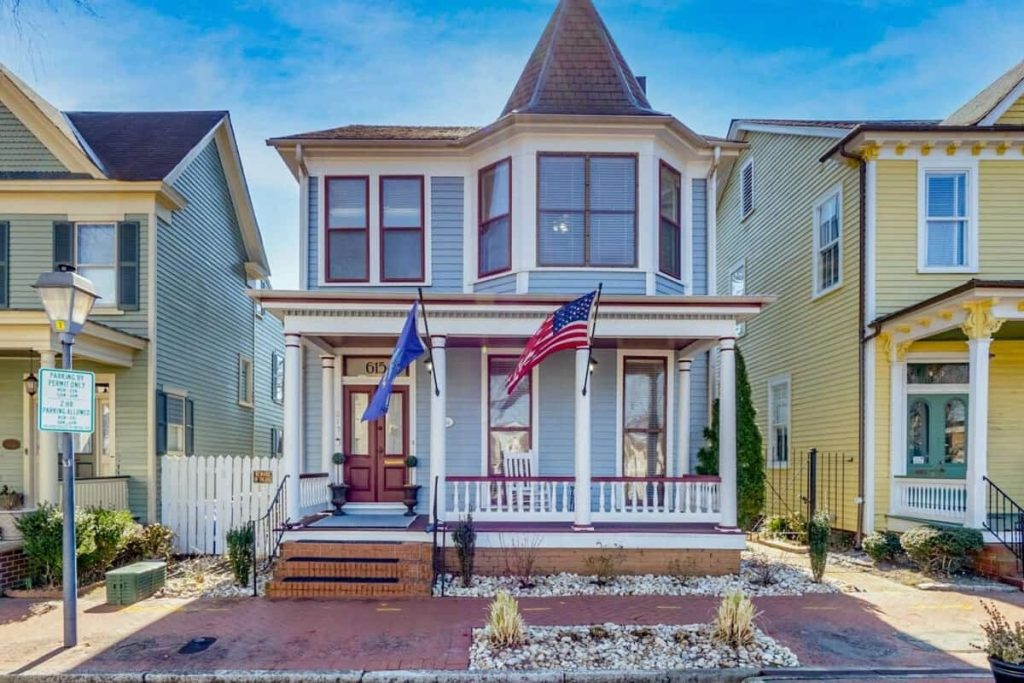
Virginia has long been a place that draws people in, offering the perfect blend of history, opportunity, and natural beauty. From the rolling hills of the Blue Ridge Mountains to the peaceful shores of Chesapeake Bay, it’s a state that caters to all lifestyles. Whether you’re seeking a bustling city, a quiet suburban neighborhood, or a charming rural town, Virginia has it all.

Vibrant cities like Richmond and Virginia Beach offer career opportunities and urban amenities, while the state’s strong universities, major military bases, and expanding tech sector provide a range of professional paths. The best part? You could spend your morning hiking a mountain and your afternoon relaxing on a beach—both within a few hours of each other.

With a mix of economic growth and a high quality of life, Virginia is an ideal choice for families, young professionals, and retirees alike. It’s the rare place where career prospects, culture, and nature come together seamlessly.

Why Do People Love Living in Virginia?

Virginia isn’t just about great homes—it’s about an exceptional quality of life. In Northern Virginia, places like Fairfax and Arlington offer top-rated schools and easy access to Washington D.C.’s world-class museums, theaters, and cultural hotspots. Meanwhile, Williamsburg charms with its colonial history and family-friendly experiences, making the past feel alive every day.

For outdoor lovers, Virginia is a playground. Hike through Shenandoah National Park in the morning and wind down at Virginia Beach in the afternoon. The Blue Ridge Parkway offers breathtaking mountain views, and the Chesapeake Bay is perfect for boating, fishing, or any water sport you love.

What sets Virginia apart is its balance between rich history and modern living. The state embraces its heritage while also welcoming innovation and growth. Prestigious universities like UVA and Virginia Tech foster dynamic intellectual communities, while cities like Richmond blend historic districts with vibrant arts scenes. This unique combination of culture, nature, and opportunity is what makes Virginia such an attractive place to call home.

What Is the Cost of Living in Virginia?

The cost of living in Virginia varies by region. Northern Virginia tends to be more expensive, while southern and western areas are more affordable. On average, living in the state runs about 2% higher than the national average, largely due to housing costs in metro areas. Despite this, many residents find a good balance of amenities, lifestyle, and value across different communities.

1. Housing

Virginia’s housing market reflects its diverse geography and economic landscape. The median home price reached $425,300 in July 2025, compared to the national median of $420,000. Northern Virginia leads with higher prices due to proximity to Washington D.C., while areas like Lynchburg and Roanoke offer more budget-friendly alternatives.

Virginia’s rental market shows similar regional variation. Statewide average rent sits at $1,994 per month. In Northern Virginia, rents are notably higher; for instance, in Arlington, the median rent for a two-bedroom unit is $3,134. Richmond comes in at $1,572, while smaller cities like Harrisonburg average $2,182 monthly.

2. Utilities

Monthly utility costs average $387 statewide, covering electricity, gas, water, and internet services. Coastal areas and Northern Virginia typically see higher costs. Rural and mountain communities often enjoy lower rates due to different provider networks and usage patterns.

3. Groceries and Food

Food expenses remain reasonable across most of Virginia. Families usually spend around the national average on groceries, keeping food costs manageable. Dining costs vary by location, with casual meals averaging $14 in smaller towns and $18 in major metropolitan areas like Norfolk and Richmond.

4. Healthcare

Healthcare costs run approximately 2% below national levels in most Virginia markets. The state’s numerous hospital systems and medical centers create competitive pricing. This is especially true in Richmond, Norfolk, and Northern Virginia, where multiple providers serve large populations.

5. Transportation

Transportation costs vary significantly based on location and commuting patterns. Gas averages $3.026 per gallon, while auto insurance rates remain competitive. Northern Virginia residents often rely on Metro and VRE systems, adding monthly transit costs but reducing vehicle expenses.

6. Taxes

Virginia maintains a progressive state income tax ranging from 2% to 5.75% based on income levels. Property tax rates average 0.77% of assessed value, though Northern Virginia counties tend to have higher rates. Sales tax ranges from 5.3% to 7% depending on local additions.

What Does the Housing Market in Virginia Look Like?

Virginia’s housing market varies by region, offering everything from higher-priced homes in Northern Virginia to more affordable options in Lynchburg. Let’s explore the price trends in key markets:

1. Home Prices and Market Activity

  • Statewide Overview: As of late 2025, Virginia’s median home price is approximately $464,900, marking a 2.7% increase year-over-year. Despite the price increase, the number of homes sold has decreased by 2%.
  • Regional Variations: In Virginia, home prices vary widely by region. Northern Virginia’s median price reached $760,073 in July 2025, up 3.4% from the previous year. Richmond saw a 5.1% increase, with a median of $424,000 in late 2024. In contrast, Lynchburg offers more affordable options, with an average home price of $264,559.

2. Supply & Demand Dynamics

  • Inventory Levels: The number of homes for sale in Virginia rose by 11.8% year-over-year in August 2025, totaling 36,991 listings.
  • Seller’s Market Trends: Despite the increase in listings, the market remains competitive, with about 30.5% of homes selling above list price. The average months of supply stands at 2 months, indicating a seller’s market but a potential shift toward balance.

3. Affordability and Financing

  • Mortgage Rates Impact:. As of September 2025, the 30-year fixed mortgage rate is 6.5%, slightly higher than previous years but still competitive. Use Virginia’s mortgage calculator on Houzeo, America’s top home buying website, to estimate how these rates affect your monthly payments.
  • Down Payment Trends: National trends show a slight decrease in the average down payment, providing some relief for buyers, though affordability remains an issue in high-demand urban areas. 

4. Market Outlook and Trends for 2025

  • Price Predictions: Housing prices in Virginia are expected to continue rising through 2025, although at a moderated pace due to economic factors.
  • Market Balance: Experts predict a shift toward a more balanced market, with increasing inventory and longer days on market, providing buyers with more opportunities.

Pros and Cons of Living in Virginia

Like any state, Virginia presents both advantages and challenges for potential residents.

Pros

  • Rich historical heritage and cultural attractions
  • Diverse geography from mountains to beaches
  • Strong job market across multiple industries
  • Excellent universities and educational opportunities
  • Four distinct seasons with mild winters in most areas
  • Central East Coast location with easy regional travel

Cons

  • Northern Virginia traffic congestion and higher costs
  • Hurricane risk along coastal areas
  • Higher humidity levels during summer months
  • Limited public transportation outside Northern Virginia

Is Virginia a Good Place to Live?

Virginia draws residents with its mix of history, natural beauty, and modern opportunity. The state offers economic stability in a region where other areas may face uncertainty. Residents have access to excellent schools, diverse career paths, and outdoor recreation—from mountain trails to coastal beaches.

Its central East Coast location makes travel to major cities easy. At the same time, the cost of living remains lower than in many metropolitan areas. Strong communities, rich culture, and a four-season climate make Virginia an appealing choice for families and professionals. Retirees also benefit from the balance of opportunity and a high quality of life.

👉 Looking for Virginia homes for sale? Browse thousands of listings on your mobile device with Houzeo, America’s best home buyer app. Download it from the Apple App Store or Google Play Store to start your search today.
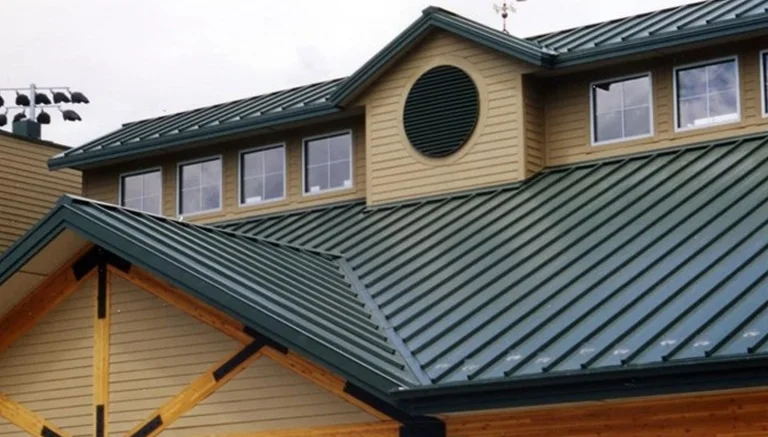
 

When it’s time for a new roof, many homeowners are faced with the big question: metal roofing vs. traditional shingles — which is better? Each roofing material has its strengths and weaknesses, and the right choice often depends on your budget, climate, and long-term goals. At Freedom Roofing Group, we’ve helped countless homeowners make informed decisions about the best roof for their property, and we’re here to break down the facts.

Durability and Longevity

One of the biggest advantages of metal roofing is its longevity. A properly installed metal roof can last 40 to 70 years, compared to 15 to 30 years for traditional asphalt shingles. Metal is highly resistant to cracking, shrinking, and eroding, and it can withstand extreme weather conditions like high winds, heavy rain, and hail. Shingles, while affordable and easy to install, tend to wear down faster over time, especially in areas with harsh weather.

Cost Considerations

Shingle roofing is typically cheaper upfront, making it a popular choice for budget-conscious homeowners. However, the long-term value of metal roofing often outweighs the initial investment. Since metal roofs last longer and require fewer repairs, they can save homeowners money in the long run. Plus, metal is more energy-efficient, which can lower your cooling costs during hot summers.

Maintenance Requirements

Shingle roofs require more frequent maintenance. They’re prone to issues like mold growth, granule loss, and curling. In contrast, metal roofs are low maintenance. They resist algae and moss, and you don’t have to worry about missing shingles after a storm. With periodic inspections and minimal upkeep, your metal roof will keep performing year after year.

Environmental Impact

If sustainability is a priority, metal roofing is the greener choice. It’s often made from recycled materials and is 100% recyclable at the end of its lifespan. Asphalt shingles, on the other hand, contribute significantly to landfill waste, making them less eco-friendly.

Aesthetic Appeal

Traditional shingles offer a classic look and come in various colors and textures. Metal roofing has come a long way in terms of design, now available in sleek, modern panels or even styles that mimic shingles or tiles. Whether your style is rustic or contemporary, metal roofs can deliver a bold visual impact.

So, Which is Better?

Ultimately, the decision comes down to your priorities. If you’re looking for affordability and a traditional appearance, shingles may suit your needs. But if you value longevity, durability, energy efficiency, and low maintenance, metal roofing is the clear winner.

At Freedom Roofing Group, we specialize in both metal roofing and traditional shingle installations. Our team is here to guide you through your options and help you choose the roofing solution that best fits your home and budget.

Ready to make the right roofing choice?
Contact Freedom Roofing Group today for a free consultation and get expert advice on the best roofing system for your home.

This post was written by the team at Freedom Roofing Group. With over 30 years of combined experience, https://frgwillhelp.com/ is a trusted roofing company serving homeowners and businesses throughout Missouri. Specializing in roof repairs, replacements, and storm damage restoration, our in-house, factory-certified experts deliver high-quality workmanship and personalized service on every project. We’re committed to excellence and dedicated to giving back to the communities we serve.


Introduction

In a competitive marketplace where brands constantly vying for consumer attention, businesses are compelled to seek innovative solutions that set them apart. One of the most effective—and often underestimated—strategies is the thoughtful use of custom signage. From towering exterior signs that attract attention for blocks around to creative and interactive wall displays within, custom-designed signage provides businesses with a unique edge. Specialized providers of wall graphics austin tx  offer tailored options that transform ordinary commercial spaces into engaging visual experiences, making a business stand out in the minds of potential customers long after they’ve passed by.

The Power of First Impressions

A potential customer’s initial interaction with a business often begins before any words are spoken—it starts with the visual cue offered by your storefront or office entry. Research shows people form lasting opinions about a company within seconds of seeing its signage. A polished, uniquely crafted sign instantly communicates a sense of credibility, professionalism, and attention to detail. It silently tells customers what level of service or quality to expect from what lies within, while also setting the tone for your entire brand experience. Poor, dilapidated, or generic signage can have the opposite effect, causing people to question whether your business is invested in its quality and standards. Furthermore, custom signs help customers identify your location quickly and easily, which is particularly important in densely packed business districts, shopping centers, or anywhere visual clutter is an issue. In this environment, being instantly recognizable isn’t just beneficial—it’s essential.

Enhancing Brand Recognition

Brand recognition is built through repetition and consistency, and custom signs offer one of the most visible and memorable ways to cement your presence in customers’ minds. Every time someone passes your business, your signage is a gentle reminder of your existence, reinforcing your logo, color palette, tagline, and overall design aesthetic. This visual coherence across all your physical assets—storefront, banners, vehicle graphics, or interior displays—builds familiarity and trust. As customers are repeatedly exposed to your visual identity, they are more likely to remember your business and associate it with positive experiences or specific products and services. Over time, this boosts recall and encourages repeat visits, especially in markets where consumers have many choices. The more consistent and attractive your signs, the stronger the connection between your brand and your reputation for quality and value will be.

Increasing Foot Traffic

Strategic custom signs do far more than mark the location of a business—they actively draw people inside. Using vivid colors, striking typography, and inventive imagery can catch the eye of pedestrians and motorists alike, sparking curiosity and inviting closer inspection. For businesses located in high-traffic or competitive areas, a custom sign can be the element that turns a passing glance into a walk-in customer. People are naturally drawn to visually compelling displays. When your signage is thoughtfully designed to align with your brand while highlighting what sets you apart, it creates a powerful magnet for foot traffic. Moreover, custom signs can promote seasonal campaigns, limited-time offers, special events, and more. These tailored messages offer a sense of urgency or exclusivity, increasing the likelihood of impulse visits. Incorporating calls-to-action or highlighting discounts in your signage design further boosts engagement and drives tangible business results.

Cost-Effective Marketing

Unlike many marketing channels, such as paid digital ads or ongoing print media, custom signs require a one-time investment yet provide ongoing, long-lasting returns. Once installed, a well-crafted sign works around the clock—delivering your brand message, attracting customers, and reinforcing recognition twenty-four hours a day, seven days a week. This continuous presence means your business stays top-of-mind within your community at a fraction of the cumulative cost of other advertising methods. Making the most of limited marketing budgets is critical for small businesses, and signage delivers remarkable value over time. Its durability and ability to withstand environmental conditions further protect your investment, ensuring your branding remains fresh and impactful for years. Ultimately, custom signage offers scalability; as your business grows and evolves, so too can your signage strategy, allowing you to add new signs or update existing ones without starting from scratch.

Communicating Key Information

Clear, concise communication is the bedrock of a positive customer experience, and custom signs are essential for providing information and guidance. From displaying core details such as opening hours, directions, and accessibility information to showcasing special offers and safety protocols, signs ensure that customers are well-informed at every step. Effective wayfinding signs help visitors easily navigate large or complex environments, reducing frustration and making their overall journey enjoyable. When signs anticipate customer needs—answering common questions before they’re even asked—they make the shopping or service experience seamless. This attention to detail can differentiate your business from competitors, leading to higher satisfaction, greater loyalty, and a stronger likelihood of repeat business. Indeed, in an age where convenience is king, making it easy for customers to understand your offerings and find what they need is a major competitive advantage.

Building Trust and Credibility

Trust is the currency of successful business relationships, and much of that trust begins before a customer ever interacts with your staff. Professionally created, high-quality custom signage signals visitors that your business is organized, credible, and committed to excellence. The care taken in your outward appearance through quality signs often correlates in the customer’s mind with the care you put into your products or services. A lack of attention to signage can raise doubts and potentially turn away those who value professionalism. Additionally, consistency in signage—matching the visual tone and message of your other branding materials—helps establish a unified image of reliability and stability. Especially for new businesses or those entering crowded markets, this visual credibility can be the deciding factor in whether a customer gives you a try or keeps searching elsewhere.

Adapting to Market Trends

As consumer interests shift and new marketing trends emerge, businesses must remain agile to stay relevant and engaging. Custom signs offer unparalleled flexibility for adaptation. Whether you’re refreshing your brand to align with evolving aesthetic trends, introducing new products and services, or participating in community events, custom signage can be updated efficiently to support your strategy. This adaptability ensures your physical presence always resonates with current and potential customers. Signage can reflect holidays, local happenings, or culturally important causes, enabling you to show that your business is actively engaged in the community and aware of what matters most to your audience. Rapidly changing visual messages on signs can create a dynamic and lively atmosphere, inviting customers to see what’s new each time they pass by.

Conclusion

Custom signs transcend their practical purpose, serving as critical drivers of visibility, brand recognition, and customer interaction, especially in crowded, competitive markets. By conveying professionalism, building instant trust, increasing walk-in traffic, and enabling flexible, up-to-date marketing, the benefits of custom signage are extensive and impactful. Businesses large and small should recognize the immense value signage provides—not as a last-minute add-on, but as a vital long-term investment in growth, customer connection, and enduring success.

A well-designed patio cover can transform your outdoor space into a comfortable, year-round retreat. But beyond aesthetics, the right materials ensure that your patio cover is both stylish and long-lasting. Whether you’re aiming for shade, shelter, or added curb appeal, choosing the right material makes a significant difference. Investing in professionally installed patio covers in Dayton is the first step toward building a functional and elegant outdoor extension of your home.

The variety of materials available today offers homeowners the flexibility to balance durability, style, and budget. From wood to aluminum, each type has its unique advantages. Making the right choice begins with understanding your environment, your home’s architecture, and how you plan to use the space.

Understand the Importance of Purpose and Design

Before selecting a material, assess how you’ll use the space. Will your patio be a quiet relaxation zone, a dining area, or a gathering spot for entertaining? The material should align with your intended use. For example, wood offers a warm, natural look that pairs well with traditional or rustic homes. On the other hand, aluminum and vinyl are often chosen for their low-maintenance appeal and resistance to weather damage.

Additionally, thinking through the reasons to install a patio cover can help prioritize material characteristics. If protection from UV rays and rain is the top concern, materials with strong insulating properties and high durability should take precedence.

Evaluate Material Options: Durability vs. Maintenance

One of the most important decisions in choosing a patio cover is balancing appearance with longevity. Aluminum is a popular choice due to its strength, rust resistance, and ability to mimic other textures like wood. It’s ideal for those seeking minimal upkeep with lasting results.

Wood, although visually appealing and highly customizable, requires regular maintenance, like staining or sealing, to protect against rot and pests. Composite materials, which combine wood fibers and plastic, offer a middle ground, retaining the look of wood with reduced maintenance demands.

Vinyl is another option, known for its resistance to fading and cracking, but it may lack the premium feel that natural materials provide. Ultimately, the best choice depends on your willingness to maintain the structure and your region’s weather patterns.

Think Long-Term: Value and Visual Appeal

A patio cover isn’t just a practical feature; it’s also an investment. Choosing high-quality materials can enhance curb appeal and even increase your home’s value. Materials that blend well with your home’s architecture and landscaping can make a big visual impact. Neutral tones and clean lines tend to have a timeless appeal, while custom finishes and trims can elevate a standard patio into a designer outdoor space.

Additionally, durable materials that age well without losing structural integrity contribute to long-term property value. This makes the selection process all the more important, not just for comfort but for financial benefit as well.

Conclusion

Choosing the right material for your patio cover is a decision that affects both the beauty and function of your outdoor space. A well-built structure enhances your lifestyle, protects your patio, and adds to your home’s appeal. With careful planning and professional installation, you’ll enjoy a cover that meets your needs and stands the test of time.

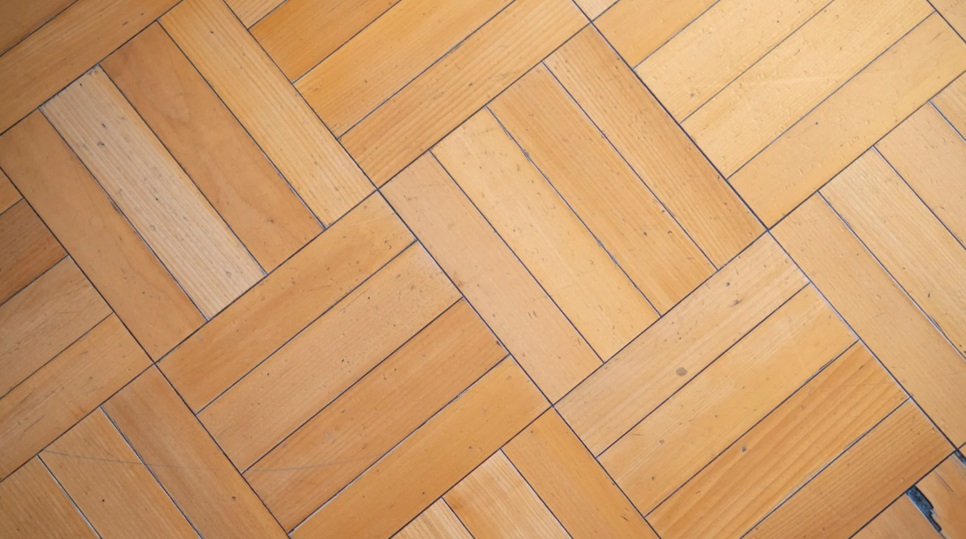
Wooden aesthetics have long been favored for their timeless charm and warmth. In modern interiors, wooden floor tiles offer a smart, low-maintenance solution that captures the beauty of hardwood without the drawbacks. From durability to cost-effectiveness, this flooring option provides practical advantages while enhancing visual appeal. Let’s explore the top five reasons homeowners are making the switch.

1. Timeless Style That Elevates Any Room

Wood-look floor tiles offer the rustic elegance of natural timber, allowing homeowners to enjoy rich textures and earthy tones that complement nearly any design scheme. Whether you prefer a Scandinavian minimalist space or a cozy farmhouse aesthetic, wood-effect tiles create a strong visual anchor. They are also available in a wide range of patterns, including herringbone, chevron, and wide planks, offering flexibility for designers and DIY remodelers alike.

2. Superior Resistance to Moisture

Unlike traditional hardwood, floor tiles designed to look like wood do not warp or swell due to moisture exposure. This makes them ideal for kitchens, bathrooms, and laundry rooms—spaces where spills, humidity, and splashes are common. The moisture resistance of these tiles also simplifies cleaning routines, requiring only standard mopping without the need for special treatments or sealing.

3. Long-Term Durability

One of the most cited advantages is their extended lifespan. When installed correctly, wooden-look porcelain or ceramic tiles can last for decades. They resist scratches, dents, and wear from heavy foot traffic, making them suitable for both family homes and high-use commercial spaces. Unique wooden décor ideas for home or business can include reclaimed wood accent walls, custom-carved signage, and handcrafted furniture pieces that add warmth, character, and a natural aesthetic.

4. Cost-Effective in the Long Run

While initial installation costs may be comparable to those of engineered wood, the longevity and ease of care of tile make it a cost-effective option over time. There’s no need for refinishing, staining, or re-sealing, and repairs are usually as simple as swapping a single tile. This makes wood-look tiles an ideal choice for budget-conscious homeowners seeking style without recurring upkeep.

5. Eco-Friendly Design Possibilities

By choosing tiles instead of hardwood, you’re reducing the demand for timber and helping preserve forests. Many manufacturers now offer sustainable options that utilize recycled content and employ energy-efficient processes. These tiles also pair well with radiant heating systems, improving thermal comfort without compromising on eco-conscious values.

Conclusion

Wood-look floor tiles are more than a design trend—they’re a strategic choice for homeowners seeking resilience, style, and sustainability in their living spaces. Their timeless appearance, moisture resistance, and low maintenance requirements make them a versatile solution that outperforms many flooring types in terms of functionality and value. The durability and longevity of wooden floor tiles make them a smart investment, offering resistance to wear, easy maintenance, and timeless appeal in both residential and commercial spaces. From modern renovations to classic redesigns, these tiles deliver the warmth of wood with the strength of stone. Investing in wood-look flooring ensures you’re not just upgrading aesthetics—you’re enhancing the lifespan and livability of your home.

Siding keeps out the wind and weather, helps with insulation, and protects your place year-round. Your job is not done by simply choosing a high-quality siding material.  Ensure that it is installed properly. 

That’s why choosing a local siding company, instead of a big national name, can make a huge difference. Choose a company like Alpine Exterior Contractor for James Hardie siding in Bellingham. They have an experienced team that makes sure that you are satisfied with their work. Here’s why going with someone in your own backyard might just be the best move you make. 

Quicker Help When You Need It

If your siding gets damaged in a storm or starts showing signs of rot, you don’t want to wait weeks for someone to come out. A local team can usually swing by a lot faster and get the ball rolling, because they’re right there in town, not juggling projects across five states.

You’re Not Just a Customer

Local companies mostly treat their customers like neighbors. You’re more likely to talk to the same person throughout your whole project, get honest advice, and even have some input in the design process. It’s way more personal and a whole lot less stressful.

They Actually Care About Their Reputation

A company that lives and works in your town can’t afford to cut corners. If they mess up, word gets around fast. That’s why local siding professionals are usually extra careful about doing the job right—and standing by their work if anything goes wrong.

They Know the Local Rules and Permits

Siding isn’t just about slapping up boards—it involves permits, inspections, and codes that can vary by city. Local contractors are already familiar with all of it, so you won’t get held up by surprise paperwork or last-minute headaches.

You Support Your Community

Hiring local means your money stays local. These companies hire people from the area, buy supplies nearby, and often give back through community events or sponsorships. So your project helps more than just your home—it helps your town, too.

Materials Made for Your Climate

Instead of pushing the same cookie-cutter siding that big brands sell everywhere, local companies often have access to products that are actually made for your area’s weather. Whether you need extra insulation or storm-resistant panels, they’ll steer you in the right direction.

Different types of siding are available now, like Vinyl, wood, etc. Besides, every siding material has its own advantages and disadvantages. Consider various factors like maintenance, cost, appearance, budget, and durability before making your choice. Most of the experienced companies maintain records of their previous work. Ask for pictures of their previous work. Check how they respond to your questions. If they do not pay attention to the conversation, it is better to look for other options available in your location. 

Hire a top-rated, licensed, and insured company to see the best output. Check the official website of various companies to know about these details, or you can even contact them directly for the same. Do not hesitate to ask your questions!

A bathroom remodel is an exciting opportunity to transform one of the most important spaces in your home. However, tackling this project requires careful planning to avoid costly mistakes and delays. Hiring a bathroom remodeling company in East Cobb ensures expertise, efficiency, and a beautifully finished space. With the right professionals by your side, you can focus on making design choices that suit your lifestyle and budget. Use this checklist to streamline your remodeling process and achieve the bathroom of your dreams.

Start with a Clear Budget

Creating a detailed budget should be your first step. A realistic budget helps you identify what’s feasible and keeps your expenses in check throughout the project.

Think about all the components of your bathroom remodel, including fixtures, flooring, cabinetry, and labor costs. Allocate some funds for unexpected expenses to avoid last-minute stress. Professionals can guide you in setting a budget that aligns with your vision while ensuring durability and quality.

Define Your Design Preferences

The design of your new bathroom should reflect your personal style and meet your functional needs. Plan how you want the layout to look and consider factors like accessibility and storage.

Choose materials, colors, and finishes that create a cohesive aesthetic and are easy to maintain. Keep in mind how lighting, both natural and artificial, can enhance the space. A well-thought-out design ensures that your bathroom looks stunning while meeting your family’s needs.

Select High-Quality Materials and Fixtures

Quality materials and fixtures are essential for a bathroom that stands the test of time. Investing in durable flooring, countertops, tiles, and plumbing fixtures can save you money and headaches down the line.

For example, ceramic or porcelain tiles are great for bathrooms due to their water resistance. Likewise, energy-efficient faucets and showerheads not only reduce utility bills but are environmentally friendly. A professional service will help you select the best materials for both function and style.

Communicate Your Needs to the Experts

Clear communication with your remodeling team is crucial for a smooth project. Share your must-haves, like additional storage or specific design elements, and be open to their suggestions based on experience.

Professionals take care of many details, from securing necessary permits to coordinating timelines, ensuring every aspect of the remodel is handled efficiently. Regular updates will keep you in the loop and make changes possible if something needs adjustment.

Plan for the Construction Phase

Remodeling a bathroom can disrupt your daily routine, so it’s best to plan ahead. Discuss the timeline with your remodeling team and set a realistic expectation for when the project will be completed.

Ensure there’s an alternative bathroom you can use during the renovation. Declutter your space beforehand to make the construction phase smoother for everyone involved. Skilled professionals will handle the rest, minimizing disruptions to your household.

Final Walkthrough and Inspection

Once the remodel is complete, schedule a final walkthrough to review the finished space. Look carefully at the details, ensuring all fixtures, tiles, and finishes have been installed properly.

Ask about maintenance tips to keep your bathroom in excellent condition for years to come. A professional team will always prioritize customer satisfaction and provide guidance on maintaining your newly renovated space.

Conclusion

Remodeling your bathroom can enhance your home’s value and comfort when done correctly. By trusting experts to guide you through every step of the process, you can enjoy peace of mind and exceptional results. Follow this checklist to ensure your remodel is seamless, beautiful, and functional for years to come.

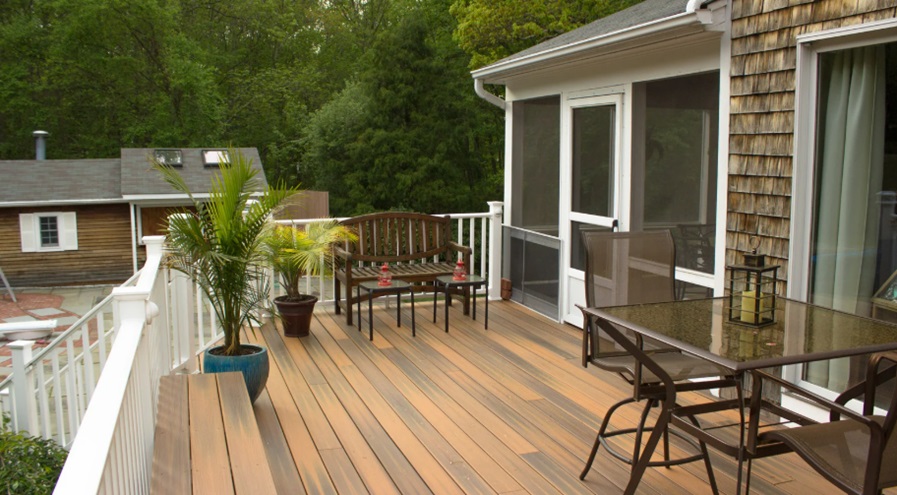
A well-designed deck in Cumming can offer the perfect outdoor retreat for relaxation, entertainment, and enjoying nature. However, creating privacy on your deck is often essential to make the space feel more personal and secluded. Whether you’re dealing with nearby neighbors or simply want a cozier outdoor ambiance, there are plenty of smart design solutions to help you achieve the privacy you desire.

Use Privacy Screens or Panels

One of the most straightforward ways to enhance privacy is by adding privacy screens or panels. These can be installed as permanent fixtures or movable options, depending on your preference. Privacy screens come in many designs and materials, such as wood, bamboo, or even frosted glass. A well-placed screen not only blocks intrusive views but can also add a decorative touch to your deck. If you’re planning updates or considering professional assistance, be sure to explore services tailored to your specific requirements.

Incorporate Tall Greenery

Using natural elements like tall plants or shrubs is a fantastic way to create an organic barrier for your deck. Options such as potted plants, decorative grasses, or even small trees are aesthetically pleasing while offering functional privacy. When choosing plants, consider your local climate and deck conditions to find ones that thrive in sunlight or shade. For example, placing large planters along the edges of the deck can create a living wall that provides both coverage and charm.

Build a Pergola or Overhead Structure

A pergola or other overhead structure can transform your deck into a more intimate space while shielding it from prying eyes or excess sunlight. By adding latticework or climbing plants to the sides, you can increase the privacy factor while maintaining a sense of openness. Pergolas also offer an opportunity to hang curtains or shade sails, which can be adjusted for an added layer of seclusion. This structural addition not only boosts privacy but enhances the overall functionality of your outdoor space.

Utilize Clever Furniture Arrangements

Strategic placement of outdoor furniture can also help create more privacy, especially on decks with limited space or budget for major renovations. Position seating areas away from exposed sides, and consider using larger furniture pieces as barriers. Sectional sofas, high-back chairs, or even outdoor bookcases can act as visual blocks while offering comfort and utility. Opting for multi-purpose pieces ensures you maximize both functionality and privacy.

Add a Fence or Trellis

If you’re looking for a long-term privacy feature, installing a fence or trellis around your deck may be the perfect solution. Fences can provide full or partial enclosure, depending on their height and design, while trellises can support climbing plants like ivy or jasmine for a softer yet effective barrier. Some homeowners in Cumming choose custom landscaping to seamlessly integrate fences with their backyards for a harmonious look. This is an excellent option for creating both privacy and an attractive aesthetic.

Outdoor Curtains and Fabrics

Adding outdoor curtains or drapery is a versatile and budget-friendly privacy solution. These can be attached to pergolas, fixed frames, or even railings to create a cozy retreat on your deck. Choose durable, weather-resistant fabrics in colors or patterns that complement your outdoor décor. Curtains offer the ability to open and close them as needed, making them an adaptable option for varying levels of privacy and shade throughout the day.

Professional Deck Solutions for Better Results

When planning major changes such as adding fences, pergolas, or custom screens, it’s always wise to consult professionals to ensure quality craftsmanship. For more insights on the importance of professional deck installation for quality results—refer to this article. A professional’s expertise not only enhances privacy but also ensures long-lasting results and compliance with safety standards.

A Thoughtful Approach to Deck Design

Designing your deck for a balance of privacy and style can dramatically improve the usability of the space. By incorporating innovative options like tall greenery, custom screens, or overhead structures, you can transform your outdoor area into a personal sanctuary. When planning your upgrades, it’s beneficial to consider alternatives. Many homeowners find professional solutions particularly helpful when dealing with specific needs for deck remodeling.

Conclusion

Creating privacy on your deck doesn’t have to be a daunting task. By integrating a mix of practical and aesthetic solutions such as privacy screens, lush greenery, overhead structures, or strategic furniture placement, you can make your outdoor space feel peaceful and secluded. If you’re in search of expert help to build or refine your deck, professional assistance can make a significant difference. With thoughtful planning and a few smart changes, you can enjoy a private and inviting deck for years to come.

Malta, with its warm Mediterranean climate, rich history, and growing economy, is becoming one of the top destinations for property buyers and investors. Whether you’re looking for a property for sale in Malta as a permanent residence or as an investment opportunity, the island offers a variety of options to suit your needs. From apartments to townhouses and commercial spaces, there’s a wide range of real estate for sale in Malta to explore.

In this guide, we’ll take you through the process of finding and purchasing Malta properties for sale, highlight the benefits of owning property in Malta, and give you insights into the best locations for property investments on the island.

Why Buy Properties for Sale in Malta?

1. Strategic Location in the Mediterranean

Located at the crossroads of Europe and North Africa, Malta’s strategic position offers not only scenic views but also accessibility to both continental and international markets. The island’s location makes it an appealing choice for international investors, retirees, and expatriates seeking to settle in a peaceful yet dynamic environment.

2. Growing Property Market

The Maltese real estate market has seen consistent growth over the years. Demand for both residential and commercial properties has been driven by the island’s thriving economy, especially in sectors like tourism, financial services, and digital industries. With properties for sale in Malta continuing to rise in value, now is an excellent time to make an investment.

3. Favorable Tax System

One of the key reasons people are turning to Malta properties for sale is the country’s advantageous tax system. With low property taxes, no inheritance tax, and incentives for foreign investors, Malta is an attractive destination for property buyers seeking financial benefits.

Types of Real Estate for Sale in Malta

Malta offers a wide range of property types, catering to diverse tastes and investment goals. Whether you’re buying your first home, a vacation property, or a commercial unit, there’s something for everyone. Here’s a closer look at some of the most popular real estate for sale in Malta:

1. Residential Properties

If you’re considering settling in Malta, residential properties offer a range of options that cater to all kinds of lifestyles. From apartments in urban centers to larger family homes in more tranquil areas, Malta properties for sale are designed to accommodate varying preferences. Some of the popular residential areas include Sliema, St. Julian’s, and Mosta, where you’ll find modern apartments, terraced houses, and penthouses.

2. Commercial Properties

Malta’s thriving economy also means that there is a steady demand for commercial properties. Whether you’re looking for office spaces, retail shops, or investment opportunities in the hospitality industry, there are numerous properties for sale in Malta that offer high potential for businesses. Malta’s position as a business hub in Europe ensures that commercial real estate continues to be a solid investment choice.

3. Luxury Real Estate

For those looking for high-end living, Malta properties for sale also include luxury villas, seafront penthouses, and exclusive residences. These properties are often located in prime locations such as Mellieha, St. Julian’s, and Valletta, where you can enjoy stunning sea views and unparalleled luxury. The Maltese luxury property market continues to grow, driven by both local and international buyers.

4. Investment Properties

If you’re seeking a property primarily as an investment, Malta offers excellent opportunities in the rental market. Properties in tourist-heavy areas, such as Sliema and St. Julian’s, offer great potential for short-term rental income. Additionally, areas near business hubs or educational institutions also present opportunities for long-term rental investments.

Why Invest in Real Estate for Sale in Malta?

1. High Rental Demand

Thanks to Malta’s thriving tourism sector and influx of foreign workers, there is consistently high demand for both short-term and long-term rental properties. Investing in properties for sale in Malta for rental purposes can offer a solid return on investment, especially if the property is located in a popular area like Valletta, Sliema, or St. Julian’s.

2. Stable Economy and Political Environment

Malta enjoys a stable political environment, which is a significant factor for those considering investment in real estate for sale in Malta. The country’s membership in the European Union, along with its strong economic performance, makes it a secure and stable location for both local and international investors.

3. Growing Tourism Industry

Tourism is one of the major drivers of Malta’s economy, with millions of visitors coming to the island each year. This creates a strong demand for rental properties, particularly in popular areas like Sliema and St. Julian’s, where tourists often seek short-term accommodations. Purchasing Malta properties for sale in tourist-friendly areas can therefore be a profitable business venture.

4. Government Incentives for Investors

The Maltese government offers several attractive schemes and incentives for property buyers, especially for foreign investors. These incentives include tax breaks, attractive financing options, and a streamlined property purchasing process, making it easier for international buyers to purchase real estate for sale in Malta.

How to Buy Malta Properties for Sale

If you’re ready to purchase properties for sale in Malta, understanding the buying process is key to making your investment smooth and successful. Here are the basic steps involved in buying real estate in Malta:

1. Engage a Qualified Real Estate Agent

The first step in purchasing Malta properties for sale is to find a licensed real estate agent. A local agent will help you identify properties that match your requirements and guide you through the entire process. It’s essential to work with a trusted agent who is registered with the National Association of Estate Agents in Malta (NAEA).

2. Financial Considerations

Before you start viewing properties, it’s important to determine your budget and financing options. Non-residents can obtain a mortgage of up to 80% of the property’s value from local banks, but it’s essential to understand the conditions. It’s also helpful to speak to a financial advisor or mortgage broker who can assist you in navigating the local mortgage market.

3. Sign a Preliminary Agreement

Once you’ve found the right property, you’ll need to sign a preliminary agreement (Konvenju) with the seller. This agreement will outline the terms of the sale, and a deposit (usually around 10%) is typically required at this stage.

4. Complete the Sale with a Notary

The final step is to sign the deed of sale in the presence of a notary. The notary will ensure that all legal documents are in order, and once the transaction is complete, you will become the official owner of the property.

Popular Locations for Malta Properties for Sale

If you’re unsure where to start your search, here are a few popular areas for buying Malta properties for sale:

Sliema

Sliema is one of the most sought-after areas in Malta. It offers a wide range of properties, from modern apartments to historical buildings, and is known for its vibrant atmosphere, shopping, dining, and entertainment options.

St. Julian’s

Known for its nightlife and entertainment, St. Julian’s is a popular area for those seeking a lively environment. It’s home to numerous high-end apartment complexes, hotels, and commercial properties.

Mosta

Mosta offers a quieter atmosphere while still being conveniently located near Malta’s main roads and business hubs. It is an ideal location for families or anyone looking for a more suburban lifestyle.

Conclusion

With its favorable tax system, growing real estate market, and stunning Mediterranean views, Malta properties for sale present an exciting investment opportunity. Whether you’re seeking a home, vacation property, or a commercial investment, real estate for sale in Malta offers diverse options to suit any need. Start your property search today and find the ideal property for sale in Malta that meets your needs, whether you’re looking to settle in the area or capitalize on the growing demand for rental properties.

Ready to make your move? Browse our listings of Malta properties for sale and get in touch with our expert agents to help you make the best choice!

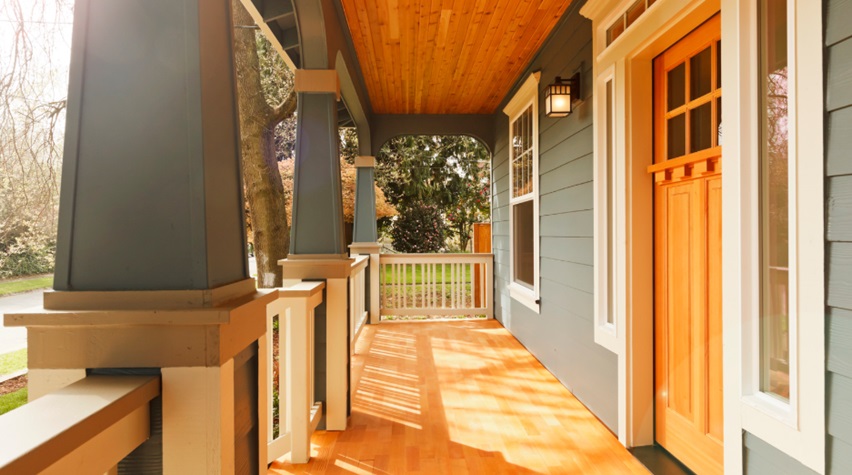
A covered porch is a fantastic addition to any home, offering both charm and functionality. The right flooring not only enhances the beauty of covered porches in Alpharetta but also ensures durability that withstands the elements. Understanding your options and their benefits can help you make the perfect choice for your space.

Factors to Consider When Choosing Porch Flooring

When selecting the right flooring for your covered porch, several factors come into play. Here are some key aspects to keep in mind:

  1. Weather Resistance

Although covered porches are shielded from direct rainfall and sunlight, they are still susceptible to changes in temperature and humidity. Choosing materials that resist warping, cracking, or fading is essential for long-lasting performance.

  1. Maintenance Requirements

Some materials require regular upkeep, while others are nearly maintenance-free. Consider how much time and effort you’re willing to invest in cleaning and maintaining your porch floor.

  1. Style and Aesthetics

Your porch flooring should complement your home’s architectural style and décor. Whether you prefer rustic textures or sleek designs, there’s an option that will suit your taste.

  1. Cost and Longevity

Balance your budget with the lifespan of the material. Cheaper options may save money upfront but could require replacement sooner than more durable choices.

Best Flooring Options for Covered Porches

To make your porch look appealing and withstand daily wear, here are some of the most popular flooring options to consider.

Wood

Wood flooring gives your covered porch a warm and natural look. Whether it’s cedar, redwood, or pressure-treated pine, wooden floors are classic favorites. Opt for weatherproof sealants and regular maintenance to preserve their appearance.

Porcelain Tile

Porcelain tiles are both stylish and durable. Resistant to moisture, stains, and scratches, they’re an excellent choice for high-traffic areas. Plus, their wide range of patterns and colors can fit almost any design preference.

Composite Decking

Made from a blend of wood fibers and recycled plastic, composite decking is a low-maintenance and eco-friendly option. It mimics the appearance of wood while offering superior resistance to mildew, fading, and insects.

Brick or Stone Pavers

Brick or stone pavers add a durable, classic touch to your porch. Their rich textures and natural appeal are excellent for creating a welcoming atmosphere. These materials also tie in beautifully with outdoor features, enhancing the connection between your porch and the surrounding landscape, as explained in ways to boost your home’s outdoor charm.

Stained Concrete

For a modern, budget-friendly option that’s easy to clean, stained concrete is worth considering. With numerous color variations and patterns, it’s a versatile material that can match various home designs.

Tips to Help You Decide

Evaluate the Area’s Needs

Think about how you plan to use your porch. A seating area may prioritize aesthetics, while a high-traffic space might need durable, easy-to-clean materials.

Test Comfort and Safety

Consider how the flooring feels underfoot, especially if you walk barefoot often. Also, ensure the material you choose is slip-resistant for added safety.

Consult with Professionals

If you’re unsure about which material is best for your covered porch, professional guidance can help you weigh your options and make an informed decision.

By carefully assessing your preferences and practical needs, you’ll find the ideal flooring to elevate your porch’s charm and functionality. Enjoy a space that’s both stylish and welcoming for years to come!