Category

Home

Category

Located between Grapevine and North Richland Hills, Colleyville has mature landscaping, luxury homes, and wooded residential lots – an ideal mix for various pests to thrive. The humid subtropical climate means plenty of rain and mild winters, which allow species like termites, spiders, and wildlife pests to survive easily. Once you see pests inside your home, there is no time to spare. You must call a Colleyville pest control company immediately for further assessment and treatment. In this guide, we will discuss how to protect your home from common pests. 

Termite Risks in Colleyville

Subterranean termites are common here and often target various wooden structures. Homes that have landscaping in contact with the foundation are prone to termite infestations. Moist soil conditions often cause more problems. Termites are not only hard to detect but equally challenging to eliminate. If you call a top exterminator, such as Romney Pest Control, the team will consider installing bait systems, and as needed, technicians may consider liquid soil barriers. Even when an overall infestation is gone, it is still relevant to consider annual inspections, especially before spring. 

Spider Threats in Residential Properties

Brown recluse and wolf spiders are two species found commonly in Colleyville. Spiders are often winter pests and will find places to hide, like basements and crawl spaces, and if your home has overgrown vegetation outdoors, you are more likely to see these insects. Ensure you deep-clean your home every few months and remove unwanted stuff. If there is an infestation, don’t use any products without knowledge. Instead, let the technicians come over for an inspection. 

Wildlife Intrusion Around Colleyville 

Because of wooded residential lots, wildlife intrusion is rather common here. From squirrels and raccoons to opossums, all sorts of species enter homes, often through crawl spaces, chimneys, and attics. Rodents and wildlife often target trash bins, pet food, and bird feeders. Ask the pest control service to consider exclusion measures, which may mean using mesh on vents.  Wildlife can be dangerous, so avoid all DIY hacks. 

Preventative Pest Control in Colleyville

If you wait for an infestation, you will have more concerns to deal with and must spend more money. Instead, consider preventive pest control, which doesn’t cost as much. DIY methods and store sprays don’t address hidden colonies and specific areas, which is why it is critical to let technicians take precautionary measures. 

Finding a Pest Control Service

As in any industry, you may encounter many services in Colleyville. Again, not all are the same. Start with local expertise. You need a team that understands seasonal patterns and common concerns across neighborhoods so that they can offer valuable advice accordingly. Next, check if the company is licensed and insured. You want to be sure that damage to your home during pest control work wouldn’t be your liability. Another thing to check is whether the company follows IPM standards. Today, exterminators don’t just use pesticides as the first measure. Instead, they try non-chemical methods where possible and take steps to contain pests while making an effort to cut down the overall environmental risks. 

Think of Long Term Care

Pests, especially rodents, spread many diseases and are responsible for damaging entire homes. If you want a pest-free home, you have to think beyond fixing infestations. Yes, you should address all concerns immediately, but at the same time, it is critical to also ensure that you have help on demand. The good news is local pest control services in Colleyville, at least the professional ones, are prompt and offer bespoke services. Everything is in sync with the client’s needs, so if you are just worried about risks, technicians will focus on prevention.

As the population of seniors and individuals with mobility issues continues to grow, so does the demand for accessible home modifications. One of the most essential spaces in the home to prioritize accessibility is the bathroom, particularly the shower. This article will explore the importance of safety-focused shower conversions for seniors and individuals with mobility issues in Macomb County, Michigan, and highlight the features and options available to promote aging-in-place.

Safety First: The Importance of Accessible Shower Conversions

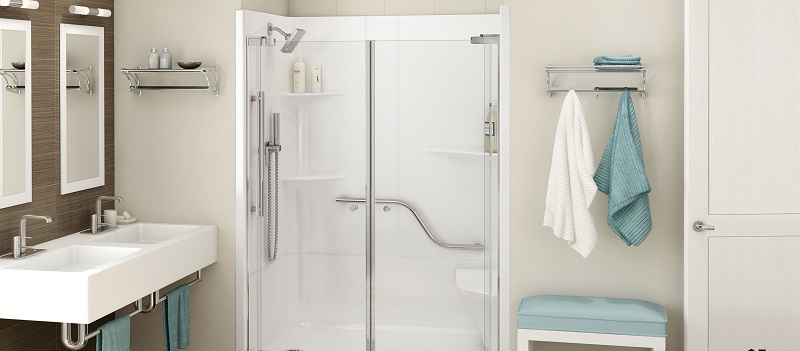
Slips and falls are a leading cause of injuries among seniors and individuals with mobility issues. Bathrooms, with their slippery surfaces and confined spaces, can be particularly hazardous. By converting traditional showers into accessible, safety-focused designs, homeowners can significantly reduce the risk of accidents and promote independence for seniors and those with mobility challenges.

Grab Bars: A Key Component of Accessible Shower Design

One of the most critical features of an accessible shower is the inclusion of grab bars. These sturdy, strategically placed handles provide essential support for individuals entering, exiting, and using the shower. Grab bars should be installed at a comfortable height and securely anchored to the wall to ensure stability and safety.

Low Thresholds: Ensuring Easy Access and Smooth Transitions

Another essential aspect of accessible shower conversion in macomb is the installation of low thresholds or curbless showers. These designs eliminate the need to step over a high barrier, reducing the risk of tripping or falling. Low thresholds also make it easier for individuals using wheelchairs or walkers to enter and exit the shower with ease.

Non-Slip Surfaces: Preventing Slips and Falls in the Shower

Slippery shower surfaces can be dangerous for anyone, but especially for seniors and those with mobility issues. To minimize the risk of slips and falls, it is essential to choose shower flooring materials with a non-slip surface. This can include textured tiles, mats, or even specialized non-slip coatings applied to existing surfaces.

Local Options for Accessible Shower Conversions in Macomb County

For Macomb County residents interested in accessible shower conversions, there are several local options to consider. Many experienced contractors and remodeling companies offer specialized services tailored to the unique needs of seniors and individuals with mobility challenges. These professionals can help design and install custom solutions that prioritize safety, comfort, and independence.

In conclusion, accessible shower conversions are a crucial aspect of promoting aging-in-place for seniors and individuals with mobility issues. By focusing on safety-focused designs, incorporating features like grab bars, low thresholds, and non-slip surfaces, and working with local experts, homeowners in Macomb County can create a more accessible and comfortable living environment for all.

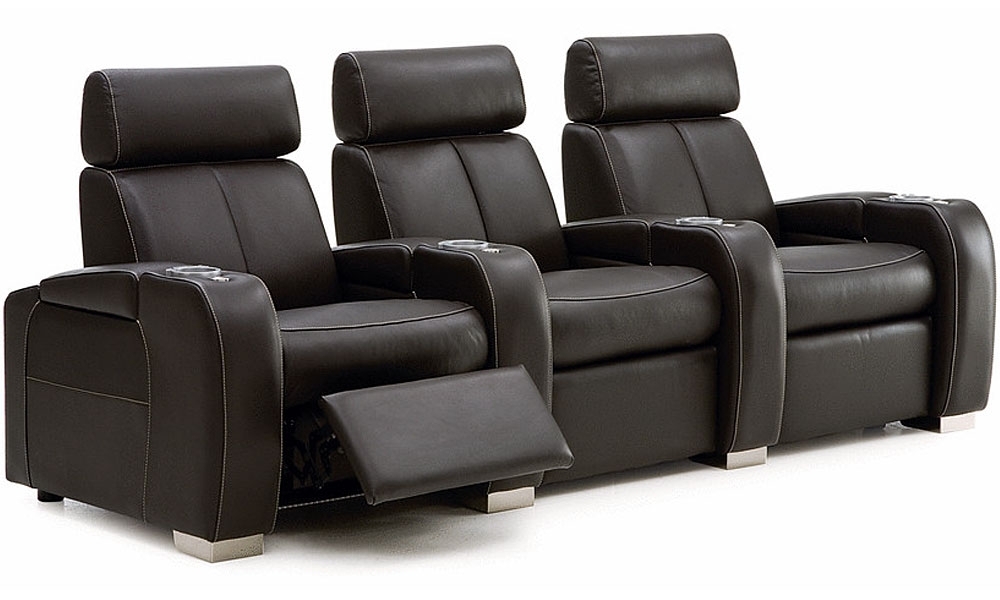
If you are from Melbourne then you know by now that you need to live with what you can afford. Whether you find yourself in a chic Carlton studio apartment or a quaint St Kilda flat, it all comes down to comfortable, smart furniture. Enter compact leather recliner chairs ideal for Melbourne homes — they bring the style, they support, and they do it all in a practical fashion, well without the need of occupying much floor space.

They allow you to experience a full body relaxation without a big space. And their sleek designs work with modern as well as classic settings. Whether it is acting like a reading nook or a lounge corner, they quickly become your new favourite space to lounge around.

We pulled together five of the best pieces for people looking to add comfort to their home with minimal footprint.

Low-Back Single-Seater Recliner

With a slim 80cm width and simple modern design, this recliner is personal yet compact and ideal for corner spaces or a in a cosy lounge. It slides into minimal spaces, such as balcony apartments or corner bedrooms.

  • Manual reclining for easy use
  • A smooth leather surface for easy cleaning, gentle armrest, as well as cushioned help
  • Available in neutral tones such as grey or beige

Perfect equilibrium between comfort and utility for a smaller home.

Traditional Styled Push-Back Recliner

This push-back recliner is a perfect choice for those who want simplicity. There are no buttons or levers, it reclines — just give it a little push back — and it is appropriate for all ages.

It is only 75cm in width, and fits right next to the couch, beside the coffee table, or in a small living room. The lower back support comes courtesy of the ergonomic shape, and the leather recliner chairs surface feels both supple and tough. Perfect for those that want comfort without taking over the room.

Wall-Saver Recliner (Space Saver)

Short on space? Hold on, though your solution may just be a wall-hugger recliner, it only requires 10cm between the chair and the wall, making it ideal for lounges where space is at a premium.

Made with a solid hardwood frame, printed natural leather appearance which suits Melbourne weather conditions. This chair is great for city apartments with a small footprint, reclining with ease

Power Recliner with USB Built In

This is a small electric recliner for the tech lover in us all. It is slim enough for smaller rooms at 78cm wide with no compromise on comfort and features.

  • Adjustable electric reclines
  • USB port for device charging
  • Soft cushy head and low back support
  • Black, brown or caramel easy-clean leather

A nice option if you are working from home or just want more freedom for your seat.

Tufted Recliner with Timeless Style

This one blends a bit of retro style with contemporary usability. With its button-tufted back and 82cm width, this is a slick addition to classic Melbourne homes.

Its durable frame and supportive foam make it ideal for reading, watching TV or the occasional afternoon nap. It is at home in classic spaces and is comfortable enough for everyday use without dominating the room.

How to Select the Ideal Recliner

Consider how the recliner fits in your space before making a purchase. Here’s what to keep in mind:

  • You have to measure the area where you will be using the chair and if you will be reclining in a recliner as it can take up a lot of space
  • Leather chairs and recliners with robust frames such as steel or hardwood
  • Look for straightforward, easily cleaned leather, such as full-grain or top-grain leather
  • Think about weight limits (standard 100-150kg)
  • Find out if you want a manual or an electric model

Compact spaces do not require sacrificing comfort. Your option of a recliner, after all, makes all the difference.

Create Your Perfect Space

Finding the correct chair can completely change your flat into a haven of leisure. Between top picks for modern leather chairs and recliners, you will see that style and comfort don’t need to take a lot of space.

Incorporate one into your home immediately—and you can transform your living area into a stylish and inviting sanctuary.

Most homeowners in Brentwood take clean water for granted. They turn on the faucet and get fresh water flowing out. But what if this clean water suddenly became unsafe? This is what can happen when backflow occurs. Homeowners who care about their family’s health and safety should understand this issue and know when to contact a plumber in Brentwood. Every homeowner in the city should consider backflow prevention. Learn more about this below:

What Is Backflow?

Backflow happens when water flows in the opposite direction than it is supposed to. Dirty water can flow back into your water supply instead of clean water. This reverse flow can occur for a few reasons, usually involving changes in pressure in your plumbing system. Here are two main types of backflow:

  • Back-siphonage. This often happens due to a sudden drop in water pressure, like during a main water break or if firefighters use a nearby hydrant.
  • Back-pressure. This occurs when the pressure from inside your home’s plumbing is stronger than the pressure coming in from the city’s supply, pushing contaminated water backward.

Either way, the result can be harmful to your home’s drinking water and your health.

Why Brentwood Homes Are at Risk

Brentwood has beautiful homes, mature landscaping, and well-kept neighborhoods. But with these features come plumbing setups that can be vulnerable to backflow. Homes with sprinkler systems, pools, or certain types of water heaters are at risk of backflow when not properly protected.

Even newer homes can be at risk. Some plumbing codes require backflow prevention devices in specific cases, but not all homes have them installed. Sadly, the plumbing system in older homes was built before backflow prevention became standard practice. Even connecting a hose to a garden sprayer without a backflow preventer can allow chemicals to flow back into your home’s water supply. 

Health Risks You Cannot Ignore

Contaminated water that makes its way into your drinking water can carry bacteria, pesticides, and cleaning chemicals. Also, sewage might be in the water. In severe cases, this can lead to serious illness.

You might not feel the effects right away, but drinking or bathing in contaminated water can pose long-term health risks, especially for children, the elderly, or anyone with a weakened immune system. That’s why property safety plumbing systems should include the proper safety measures.

How Backflow Prevention Works

A backflow prevention device is a small valve installed on your plumbing system to stop water from flowing in the wrong direction. It only allows water to flow into your home. 

There are different types of backflow preventers. The one you need depends on your home’s setup. A licensed plumber can inspect your system, determine where the risk points are, and recommend the right device. These devices need to be tested regularly once installed to make sure they work correctly, especially if required by local regulations.

Brentwood Homeowners Trust Hosack Plumbing

Homeowners who want to keep their water safe work with a team that knows what they are doing. That is why they usually turn to O’Fallon-based Hosack Plumbing, Heating & Cooling. The team at Hosack combines old-fashioned customer service with modern plumbing know-how. They understand the importance of backflow prevention for homes and the entire community’s water system. They will walk you through the process and make sure your system is up to code and running safely.

Backflow might not be the most noticeable plumbing issue, but it should be prevented at all costs. Homeowners should not second-guess clean water. Brentwood homeowners can rest easy knowing their water is safe and their system is protected with expert help from Hosack Plumbing, Heating & Cooling.

Heading out on vacation is one of the best ways to recharge—but nothing ruins that post-getaway peace like returning home to an unexpected pest problem. Whether it’s ants in the kitchen, rodents in the attic, or cockroaches making themselves at home, pests love an empty house.

Fortunately, with a little preparation, you can protect your home while you’re away. In this guide, we’ll walk you through simple, effective steps to pest-proof your home before your next trip, so you can relax knowing your space is secure.


Why Vacations Invite Pest Problems

An empty home provides the perfect conditions for pests:

  • No human activity to deter them
  • Unattended food or trash to attract them
  • Dark, quiet environments for nesting
  • Small leaks or standing water they can access freely

Even a short trip can give pests time to move in—especially during warm or wet seasons when insect and rodent activity is at its peak.


Before You Leave: Your Pre-Vacation Pest Control Checklist

Here are key steps to take in the days before your departure to minimize the risk of unwanted guests moving in.


1. Clean Thoroughly

Crumbs, spills, and leftover food are like an open invitation for pests. Be sure to:

  • Wipe down countertops and tables
  • Sweep and vacuum floors
  • Take out the trash (especially food waste)
  • Empty indoor compost bins
  • Clean under appliances like the stove and fridge

Don’t forget to run the garbage disposal and pour a cup of vinegar or baking soda down drains to help eliminate lingering smells that might attract flies or ants.


2. Secure All Food Sources

Any food left out—or improperly stored—can quickly attract pests like ants, roaches, and rodents. Before leaving:

  • Store dry goods in airtight containers
  • Clear out perishables from the fridge (or toss them)
  • Don’t leave fruit or bread on the counter
  • Check pet food bowls and storage areas

If you’re gone for more than a few days, it’s smart to discard anything that could spoil or attract pests in your absence.


3. Seal Entry Points

Pests are opportunistic. Mice can squeeze through holes as small as a dime, and insects can slip in through cracks and gaps. Do a quick exterior and interior inspection:

  • Check and seal gaps around windows and doors
  • Install door sweeps and weather stripping if needed
  • Inspect vents, chimneys, and pipes for any openings
  • Use caulk or steel wool to close small holes

This not only deters pests—it also helps with home energy efficiency.


4. Eliminate Standing Water

Moisture is a major attractant for pests like mosquitoes, cockroaches, and silverfish. Before your trip:

  • Fix any leaky faucets, pipes, or appliances
  • Empty plant saucers, pet bowls, or buckets
  • Run a dehumidifier in damp areas like basements or laundry rooms

If you’re leaving during summer, consider shutting off your home’s main water supply to prevent leaks or floods while you’re away.


5. Check Your Trash and Recycling

Don’t leave trash inside the house while you’re away. Empty all garbage bins—especially in the kitchen and bathroom—and:

  • Rinse out recyclable containers (especially bottles, cans, and jars)
  • Take the trash out the day of or before you leave
  • Clean the inside of trash cans to remove residue and odor

Even sealed bags can leak or attract bugs if left for days or weeks at a time.


6. Consider Setting Traps or Monitors

For peace of mind, you can set non-toxic traps or pest monitors before you leave:

  • Use glue boards or bait stations in areas where you’ve seen past activity
  • Place mouse traps in the garage, attic, or under sinks
  • Install insect monitors in dark corners or utility spaces

These tools won’t solve a major infestation, but they can catch early signs so you know what you’re dealing with when you return.


7. Schedule Preventative Pest Control

If you’ve had previous issues with pests or live in an area with high pest activity, it’s worth scheduling a professional pest treatment before your vacation. A trained technician can:

  • Treat your home with residual protection against common pests
  • Identify and seal potential entry points
  • Offer advice specific to the time of year and your region

Some pest control companies even offer vacation-specific services to protect your property while you’re away.


Final Thoughts

You’ve worked hard for your time off—don’t let pests ruin the return. Taking just an hour or two to prepare your home before leaving can make all the difference in avoiding an unwanted infestation.

By cleaning thoroughly, sealing entry points, removing food and water sources, and (when needed) scheduling professional pest control, you can enjoy your vacation with peace of mind, knowing your home will be just as you left it: safe, clean, and pest-free. We recommend kansas city pest control.

Freezing food is something we take for granted, but behind every frozen meal, ice cube, or tub of ice cream, there is a complex machine doing all the hard work. Mechanical freezers are a key part of modern food storage, helping to keep products fresh for longer. But how do they actually work, and why are they so important in our daily lives?

The science behind mechanical freezers

A mechanical freezer works by removing heat from the inside and releasing it outside, keeping the interior at a consistently low temperature. It all starts with a liquid refrigerant, which absorbs heat as it evaporates into a gas. This gas then moves through a compressor, which increases its pressure and temperature. As it flows through coils, it releases heat and turns back into a liquid. The cycle repeats continuously, keeping everything inside the freezer cold.

This process allows mechanical freezers to reach temperatures far below freezing, ensuring that food stays fresh for weeks or even months. Unlike older freezing methods, such as using blocks of ice, modern mechanical freezers provide stable and reliable cooling without manual effort.

Why mechanical freezers are essential

Mechanical freezers have completely changed the way we store food. Before their invention, people relied on ice houses and salt to preserve food, which was inconvenient and unreliable. Today, freezers make it easy to store food safely, reducing waste and saving money.

In homes, freezers allow families to buy food in bulk, store leftovers, and enjoy frozen meals at any time. For businesses, especially in the food industry, freezers are critical for keeping ingredients fresh and ensuring food safety. Supermarkets, restaurants, and even hospitals depend on mechanical freezers to store everything from frozen vegetables to life-saving medical supplies.

Innovations in mechanical freezing

While the basic principles of mechanical freezing have stayed the same, technology has continued to evolve. Modern freezers now come with energy-efficient designs, smart temperature controls, and even frost-free technology. Some models can adjust temperatures automatically, making them more convenient and reducing energy consumption.

There are also specialized mechanical freezers designed for different industries.

For example, ultra-low temperature freezers can store vaccines and laboratory samples, while blast freezers rapidly cool food to maintain texture and quality. These innovations make mechanical freezers more efficient and adaptable to various needs.

The future of freezing technology

As technology advances, mechanical freezers are becoming more sustainable. Researchers are developing new refrigerants that have less impact on the environment, as traditional ones contribute to global warming. Solar-powered freezers and energy-saving designs are also helping to reduce electricity use, making freezing more eco-friendly.


The role of mechanical freezers will only grow as global food demand increases. With improved efficiency, smarter designs, and greener technology, they will continue to be an essential part of modern life, keeping food fresh, safe, and ready whenever we need it.

When James and Emily moved into their new suburban home, they were thrilled about the spacious garage—a feature they had specifically sought out during their house hunt. James envisioned it as the ultimate workshop, while Emily hoped to create an organized space for seasonal decorations, tools, and outdoor gear.

But as weeks turned into months, their garage slowly transformed into a chaotic storage nightmare. Boxes piled up in corners, tools lay scattered across surfaces, and finding anything became an ordeal. It wasn’t until a rogue bicycle fell against their car door, leaving a scratch, that they realized something had to change.

Their solution? Custom garage cabinets.

This is their story—a journey from clutter and frustration to order and efficiency through tailor-made garage storage solutions.

Chapter 1: Identifying the Problem

James sat amidst the clutter one Saturday morning, trying to locate his drill. After an hour of searching, he gave up. Emily, equally frustrated, suggested they consider better storage options.

They started exploring shelving units, plastic bins, and ready-made storage cabinets at big-box retailers. But nothing seemed to fit quite right. The garage layout was irregular, with odd corners, limited wall space, and a large support beam right in the middle.

It became clear: standard storage solutions wouldn’t cut it.

Emily’s Realization: “Our garage isn’t standard, so why are we looking for standard storage?”

Chapter 2: Exploring Custom Solutions

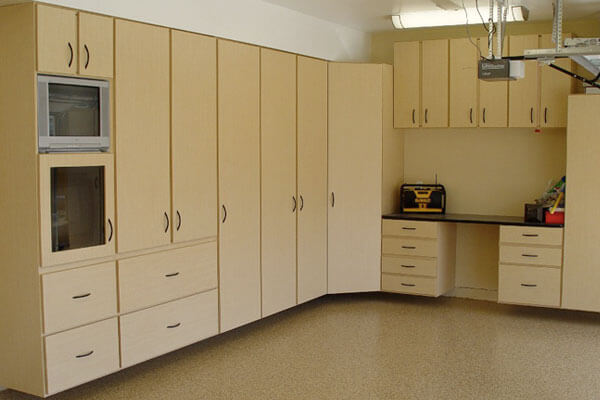
After weeks of research, Emily came across the concept of custom garage cabinets. These were not your average one-size-fits-all systems—they were designed specifically to maximize every inch of a space.

They met with a local designer specializing in specialized garage cabinetry. The consultation was eye-opening.

  • Customized Fit: Every cabinet would be tailored to their garage’s exact dimensions.
  • Special Features: Tool drawers, overhead storage, and even a built-in workbench.
  • Aesthetic Appeal: They could choose finishes that matched their style.

Designer’s Insight: “Your garage has potential—it just needs the right tools to unlock it.”

Chapter 3: The Design Phase

James and Emily worked closely with the designer to map out their vision.

  • Tool Zone: A dedicated area for James’s power tools with pull-out drawers for easy access.
  • Sports Equipment Corner: Hooks and vertical racks for bikes and tennis rackets.
  • Seasonal Storage Area: Overhead cabinets for rarely used items like holiday lights and camping gear.
  • Workstation: A built-in workbench with task lighting and storage compartments.

Every inch was planned with purpose. The cabinets weren’t just storage—they were a carefully thought-out tailor-made garage storage solution.

Custom Garage Cabinets

Chapter 4: Installation Day

When installation day arrived, James and Emily couldn’t believe how seamlessly the cabinets fit into their garage.

The installer took care of every detail:

  • Cabinets were anchored securely to prevent accidents.
  • Soft-close hinges added a touch of sophistication.
  • The final polish made the cabinets gleam under the newly installed LED lights.

In just two days, the transformation was complete.

Emily’s Reaction: “It feels like we added an entire room to our home.”

Chapter 5: The Results Speak for Themselves

With their custom garage cabinets installed, James and Emily’s garage became the space they had always dreamed of:

  • Efficiency: Every item had a designated spot.
  • Accessibility: Tools, sports gear, and seasonal items were easy to locate.
  • Safety: No more loose items precariously stacked or falling unexpectedly.
  • Aesthetic Appeal: The garage now matched the polished look of the rest of their home.

What surprised them the most was how much stress disappeared with the clutter. James spent more time tinkering on projects, while Emily could finally park her car without navigating an obstacle course.

James’s Insight: “Investing in custom cabinets wasn’t just about storage—it was about reclaiming our space.”

Chapter 6: Why Custom Garage Cabinets Are Worth the Investment

Through their experience, James and Emily learned that custom garage cabinets are not just about storage—they’re about transforming a space to match your lifestyle.

Key Benefits:

  • Optimized Space: Every corner is utilized efficiently.
  • Personalized Design: Cabinets tailored to individual needs and preferences.
  • Durability: Built to withstand heavy tools, temperature changes, and daily use.
  • Increased Home Value: A well-organized garage adds tangible value to the property.

Pro Tip: When planning your garage cabinets, think long-term. Design with durability, efficiency, and future needs in mind.

Final Thoughts: Your Garage, Reimagined

James and Emily’s story highlights a simple truth: a garage doesn’t have to be a neglected space. With custom garage cabinets, it can become an extension of your home—a place of functionality, efficiency, and even joy.

Whether you’re a weekend tinkerer like James or someone who simply wants an organized space like Emily, specialized garage cabinetry can be the key to unlocking your garage’s full potential.

Your Next Step:

  • Assess your garage’s needs.
  • Consult a professional cabinet designer.
  • Invest in cabinets built to last and tailored to your lifestyle.

Because a well-designed garage isn’t just about tools and storage—it’s about creating a space that works for you.

Exploring the Art of Wood Selection for Patio Furniture

The Unique Qualities of Different Wood Types

When it comes to selecting the right wood for your patio furniture, understanding the unique qualities of various wood types is crucial. Hardwoods, such as teak, mahogany, and oak, are often the top choices for outdoor furniture due to their resilience and aesthetic appeal. Teak, renowned for its natural oils, resists decay and powerful weather conditions, making it exceptionally durable and suitable for all climates. Furthermore, its rich, golden-brown tones deepen with age, adding character and elegance to any outdoor space. Mahogany, on the other hand, is a beautiful reddish-brown wood that stands the test of time; it possesses notable resistance to humidity and is less likely to warp or crack compared to other options. Oak is appreciated not only for its strength but also for its beautiful grain, making it a popular choice for both traditional and contemporary designs.

Softwoods like cedar and pine come with their own unique benefits and challenges. Cedar, famous for its charming aroma and inherent resistance to decay, is lightweight and easy to work with. While it may require more frequent applications of sealants to maintain its appearance, its rustic aesthetic can beautifully suit a cozy ambiance. Pine, the most commonly used softwood, is budget-friendly and offers a fresh, clean look. However, it is essential to treat pine with protective coatings to mitigate the effects of moisture and UV exposure, as it tends to be more susceptible to wear and tear compared to its hardwood counterparts.

Understanding Durability and Weather Resistance

Durability and weather resistance are paramount when selecting wood furniture for outdoor use. The exposure to various environmental elements, including rain, sunlight, and fluctuating temperatures, puts patio furniture to the test. Wood treated with specific protective finishes can greatly enhance its resistance to weather-related degradation. For instance, furniture that is treated with high-quality UV blocking sealants can prevent fading and help retain the wood’s natural color, while water-resistant finishes can protect against rain and moisture.

Some woods, like teak, have natural properties that make them remarkably resilient. The natural oils in teak not only create a barrier against moisture but also repel insects, allowing the wood to maintain its integrity over time. On the other hand, woods that do not have similar attributes may require regular maintenance to ensure longevity. As a guideline, always consider your local climate and environmental conditions before making a choice. For example, if you live in a region with harsh winters, it’s wise to select woods known for their durability under extreme conditions or invest in protective coverings and storage options during off-seasons.

Eco-Friendly Options: Choosing Sustainably Sourced Woods

In today’s environmentally conscious world, opting for sustainably sourced woods is more important than ever. Sustainable practices not only help reduce deforestation and promote biodiversity but also ensure that future generations can enjoy the beauty of natural wood in their outdoor spaces. Look for certifications from reputable organizations like the Forest Stewardship Council (FSC) that guarantee responsible forest management practices. When selecting materials, consider alternative options like reclaimed wood or bamboo, both of which have low environmental footprints and offer stunning aesthetic qualities.

Besides reducing ecological impact, sustainable woods often showcase unique characteristics that add charm and allure to your patio furniture. Reclaimed wood pieces tell stories of their past, boasting natural wear and patina that add to their appeal. Bamboo, known for its rapid growth and renewability, is both strong and lightweight, making it an attractive option for modern outdoor aesthetics. By choosing eco-friendly woods, not only do you cultivate a stunning outdoor oasis, but you also contribute positively to the environment.

Design Trends in Outdoor Wood Furniture: Aesthetic Meets Functionality

Wood Patio Furniture

Modern vs. Classic: Finding Your Ideal Style

When curating your outdoor space, deciding between modern or classic design elements can significantly influence the ambiance of your patio. Modern outdoor wood furniture often emphasizes clean lines, minimalistic designs, and innovative shapes, making it perfect for contemporary homes. Examples include sleek benches, angular dining sets, and furniture pieces that integrate metal and wood for a sophisticated look. These designs not only create an aesthetic of simplicity and elegance but also often involve more multifunctional pieces that cater to the needs of a fast-paced lifestyle.

In contrast, classic designs tend to evoke warmth and nostalgia. These pieces usually feature intricate carvings, ornate details, and rich finishes that celebrate the craftsmanship of times gone by. Furniture crafted in traditional styles can seamlessly infuse your outdoor oasis with timeless charm and invite conversation and tranquility. Many homeowners choose to blend these styles by incorporating both modern and classic elements, creating unique spaces that feel harmonious and thoughtfully curated.

Color and Finish Options: Enhancing the Natural Beauty

The visual appeal of wood patio furniture can be significantly enhanced through various color and finish options. One of the most captivating aspects of wood is its capacity to change and adapt, particularly with different stains and finishes. Whether you choose to celebrate the natural hues of the wood or introduce vibrant colors, it’s possible to transform your outdoor space’s vibe dramatically. Transparent and semi-transparent stains can enrich the wood’s natural grain, providing a warmer undertone while keeping the exterior natural and rustic. Conversely, more opaque finishes can offer a more modern take, hiding imperfections and allowing for clean aesthetic lines.

Moreover, experimenting with various finishes allows you to create a unique look that reflects your personality. From matte to high-gloss, each finish plays a role in how the furniture interacts with sunlight, ambiance, and other outdoor elements. Remember that maintaining the finish you choose is vital; selecting high-quality, weather-resistant finishes will ensure that your furniture retains its beauty for years to come.

Multi-Purpose Designs: Maximizing Space and Utility

In indoor spaces, multi-functionality is widely praised, and this trend has successfully seeped into outdoor furniture design as well. Multi-purpose patio furniture pieces not only save space but also elevate the utility and enjoyment of your oasis. Items like benches with hidden storage, coffee tables that convert into dining tables, or loungers that can transition from lounging to dining offer significant versatility. These designs allow homeowners to maximize their outdoor areas, especially in smaller spaces where every square foot matters.

Furthermore, multi-purpose designs facilitate dynamic outdoor experiences. Families engaged in entertaining can quickly transform their set-ups from casual patio gatherings to formal dinner parties in a matter of moments. Craftsmanship that merges aesthetics with functionality not only makes the space more enjoyable but significantly enhances the value of the furniture, allowing it to adapt to various occasions seamlessly.

Caring for Your Wooden Patio Furniture: Maintenance Tips and Tricks

The Importance of Regular Maintenance to Extend Lifespan

Maintenance plays an integral role in extending the longevity of your wood patio furniture. Neglecting regular care can lead to wear and tear, impacting not just the visual appeal, but also the structural integrity of each piece. Regularly checking for loose joints and fasteners, treating wooden surfaces with protective oils or sealants, and cleaning debris are essential steps in preserving your investments. Prevention is key; by incorporating monthly or seasonal maintenance routines—whether it’s polishing surfaces or addressing minor repairs before they become larger issues—you ensure that your outdoor furniture remains in prime condition, ready for enjoyment whenever the sun shines.

Cleaning Techniques: Keeping Your Furniture Looking New

To preserve the beauty and function of your wooden patio furniture, establishing a reliable cleaning regimen is paramount. Start by removing any loose dirt, leaves, or debris with a soft brush or cloth. Depending on the type of wood, use a gentle, pH-neutral soap mixed with warm water to clean the surfaces. Avoid harsh chemicals or abrasive materials that can scratch or degrade the finish. After cleaning, rinse thoroughly with clean water and allow the furniture to dry completely before applying any protective finish. For those with stubborn stains or mildew, specialized wood cleaners can be beneficial, but it is essential to test them on a small, inconspicuous area first.

Seasonal Care: Preparing Your Furniture for Year-Round Enjoyment

As seasons change, the care of your outdoor furniture should adapt accordingly. In fall and winter, when temperatures drop and weather patterns shift, it’s vital to protect your wood pieces from moisture and extreme cold. Storing furniture indoors or covering it with breathable, weather-resistant covers can prevent warping, cracking, and other damage. In spring and summer, take the opportunity to inspect your furniture thoroughly, performing any necessary repairs and applying protective coatings to prepare for outdoor enjoyment. Scheduling seasonal maintenance not only safeguards your investment but also ensures that your outdoor space remains inviting and ready for gatherings or quiet moments alike.

Creating the Perfect Outdoor Oasis: Furniture Arrangement and Accessories

Strategic Layouts to Enhance Comfort and Conversation

Creating a welcoming outdoor oasis revolves around thoughtful furniture arrangement. Consider the primary purpose of your patio: is it a serene retreat for relaxation, or a dynamic space for entertaining guests? For more intimate gatherings, cluster seating arrangements can foster conversation and connection. Arranging chairs or benches together while optimizing views of nature can create comfortable nooks for relaxation. Conversely, if your patio serves as an entertaining hub, opt for open layouts that facilitate easy movement and interaction. Utilizing rugs to define areas can also add structure, making spaces feel inviting while enhancing comfort underfoot.

Accessorizing with Fabrics: Cushions, Throws, and More

The right accessories elevate the aesthetic and comfort of your outdoor space immensely. Fabric plays a crucial role, with outdoor cushions and throws allowing for an inviting atmosphere that beckons relaxation. Look for weather-resistant fabrics that are easy to clean and maintain while offering a pleasing tactile experience. Bright colors, bold patterns, or even subtle textures can inject personality into your patio, reflecting your style. Additionally, incorporating elements like outdoor curtains can enhance privacy and shade, transforming an ordinary setting into an enchanting oasis.

Adding Elements of Nature: Integrating Plants and Lighting

No outdoor space is truly complete without incorporating elements of nature. Plants, flowers, and trees enhance the aesthetics of any patio, providing a sense of tranquility and connection to the outdoors. Consider using planters to create layered visuals around seating areas, or hanging plants from pergolas to create a lush, inviting canopy. Furthermore, strategic lighting can transform your patio from day to night, offering safety and enhancing the mood. String lights, lanterns, and solar-powered fixtures not only provide illumination but add an enchanting ambiance that enhances evening gatherings. Together, these elements curate a truly perfect outdoor oasis where beauty and functionality coexist harmoniously.


Historical Use of Asbestos in Construction

Asbestos was once hailed as a miracle material due to its resistance to heat and corrosion. It became a staple in construction, particularly from the late 19th century until the late 20th century. Builders used it extensively in various applications, from insulation to fireproofing. Despite its benefits, the health risks associated with asbestos were not immediately apparent, leading to widespread use in many commercial structures.

Common Locations of Asbestos in Buildings

In commercial buildings, asbestos can be found in numerous areas:

  • Roofing Materials: Often used in shingles and underlayment.
  • Insulation: Common in pipes, boilers, and ductwork.
  • Flooring: Vinyl tiles and adhesives frequently contained asbestos.
  • Ceiling Tiles: Particularly those with acoustic properties.
  • Fireproofing Materials: Sprayed coatings and plasters.

These materials, if disturbed, can release asbestos fibers into the air, posing a risk to occupants.

Identifying Asbestos in Older Structures

Identifying asbestos in older buildings requires a thorough asbestos report conducted by professionals. This involves:

  1. Inspecting suspected asbestos-containing materials (ACMs).
  2. Taking samples for laboratory analysis.
  3. Assessing the condition of the ACMs to determine potential risks.

It’s crucial to engage certified experts to handle this task to ensure safety and compliance with regulations. Regular inspections can help in managing the presence of asbestos and planning for any necessary abatement.

Health Risks Associated with Asbestos Exposure

Types of Diseases Linked to Asbestos

Asbestos exposure is notorious for its severe health implications, primarily causing various forms of cancer. Lung cancer and mesothelioma are the most prevalent diseases associated with asbestos. Mesothelioma, a cancer affecting the lining of the lungs and abdomen, is exclusively linked to asbestos exposure. Additionally, asbestos can lead to cancers of the larynx, ovaries, and gastrointestinal tract. Even short-term exposure to asbestos dust can significantly increase the risk of developing these conditions, making it crucial to manage and mitigate asbestos exposure in environments where it is present. For more information on the risks of short-term exposure, see this article.

Long-Term Health Implications

The latency period of asbestos-related diseases can be alarmingly long, often taking 20 to 60 years to manifest. This long delay between exposure and the onset of symptoms makes it challenging to diagnose and treat these diseases early. Asbestosis, a chronic lung disease caused by inhaling asbestos fibers, is another serious condition that can develop, leading to progressive lung damage and respiratory failure over time. The long-term implications of asbestos exposure underscore the necessity for stringent safety protocols and regular health monitoring for individuals who have been exposed.

Vulnerable Populations and Asbestos

Certain groups are more susceptible to the dangers of asbestos exposure. Workers in construction, demolition, and shipbuilding industries are at a heightened risk due to the nature of their work. Family members of these workers can also be affected through secondary exposure, as asbestos fibers can be carried home on clothing and equipment. Furthermore, older buildings that still contain asbestos pose a risk to occupants and maintenance workers. Protecting these vulnerable populations requires comprehensive safety measures, including protective gear, regular health screenings, and thorough asbestos management plans.

Regulatory Framework Governing Asbestos in Commercial Properties

Key Regulations and Guidelines

When it comes to managing asbestos in commercial buildings, understanding the regulatory landscape is crucial. Federal regulations play a significant role in ensuring safety. The National Emission Standards for Hazardous Air Pollutants (NESHAP), under the Clean Air Act, sets stringent guidelines for the demolition and renovation of structures to prevent asbestos exposure. Additionally, the Asbestos Hazard Emergency Response Act (AHERA) mandates that only certified professionals handle asbestos-containing materials, especially in public and educational buildings. Compliance with these federal guidelines is non-negotiable.

Role of OSHA and EPA

The Occupational Safety and Health Administration (OSHA) and the Environmental Protection Agency (EPA) are pivotal in regulating asbestos management. OSHA focuses on workplace safety, ensuring that workers are protected from asbestos exposure through stringent safety standards and training requirements. The EPA, on the other hand, oversees environmental regulations, including the reduction of asbestos fibers released into the air during handling activities. Both agencies work in tandem to minimize health risks associated with asbestos.

State and Local Compliance Requirements

Beyond federal oversight, state and local governments impose additional regulations that can be even more stringent. These rules vary significantly across different jurisdictions, requiring property owners to stay informed about local laws. For instance, some states may require more frequent inspections or specific disposal methods for asbestos-containing materials. Property managers must navigate these layers of regulation to avoid penalties and ensure the safety of building occupants.

Asbestos Management and Safety Protocols

Developing an Asbestos Management Plan

Creating a solid asbestos management plan is essential for any commercial building that might contain asbestos. This plan should start with a comprehensive survey to identify asbestos-containing materials (ACMs) and assess the condition and risks associated with them. It’s crucial to keep an updated asbestos register that logs the location, type, and condition of ACMs. Regular inspections should be scheduled to ensure no changes in the condition of these materials. The plan must also outline procedures for emergency situations, such as accidental disturbance of asbestos.

Training and Protective Measures

Training is a key component in managing asbestos risks. Employees, especially those involved in maintenance and construction, must be educated about the dangers of asbestos and the safety procedures they need to follow. Providing personal protective equipment (PPE) is vital when workers are potentially exposed to asbestos fibers. This includes respirators and protective clothing to minimize exposure. Regular training sessions should be held to keep everyone informed about the latest safety protocols.

Monitoring and Maintenance Procedures

Ongoing monitoring is necessary to ensure the safety of building occupants. This involves air quality testing to detect any asbestos fibers in the environment. Maintenance procedures should include regular checks on the condition of ACMs and prompt repairs if any damage is found. It’s also important to have a system in place for reporting and addressing any suspected asbestos disturbances. By following these requirements for managing asbestos, building managers can comply with regulations and protect the health of everyone who uses the building.

Renovation and Demolition Considerations for Asbestos-Containing Buildings

Pre-Demolition Surveys and Testing

Before any renovation or demolition begins, it’s crucial to conduct a thorough survey to identify asbestos-containing materials (ACMs). This involves hiring a certified asbestos professional to assess the building and determine the presence and condition of ACMs. Testing is mandatory to ensure the safety of workers and occupants. The survey should focus on common areas like flooring, walls, ceilings, and insulation. Identifying asbestos early can prevent dangerous exposure during construction activities.

Safe Removal and Disposal Practices

Once asbestos is identified, safe removal and disposal become a priority. Engaging licensed abatement contractors is essential. They use specialized techniques such as encapsulation, enclosure, and removal to manage asbestos safely. Removal is often necessary during demolitions to eliminate exposure risks. It’s also important to follow strict disposal regulations to prevent environmental contamination. For more on handling and disposing of asbestos, consider exploring safe methods for handling asbestos.

Legal Obligations During Renovation

Legal requirements for asbestos management are governed by various regulations, including the National Emission Standards for Hazardous Air Pollutants (NESHAP) and the Asbestos Hazard Emergency Response Act (AHERA). These laws mandate that only trained professionals handle asbestos and that all activities comply with federal, state, and local guidelines. Failure to adhere to these regulations can result in hefty fines and legal consequences. Property owners must stay informed about their obligations to ensure compliance and safety.

Insurance and Liability Concerns Related to Asbestos

Impact on Property Insurance

When it comes to property insurance, asbestos can be a significant factor. Insurance companies often view asbestos as a high-risk element due to potential health hazards and the costs associated with its removal. Asbestos presence can increase premiums or even lead to denial of coverage. Policies may require property owners to conduct regular inspections and maintain an asbestos register. This register serves as a record of asbestos locations within the building, ensuring that both the insurer and the insured are aware of potential risks.

Liability for Property Owners

Property owners have a legal responsibility to manage asbestos risks effectively. Failure to do so can result in serious legal consequences. Asbestos liability refers to the legal obligation of property owners to ensure that asbestos-related risks are minimized. If someone is exposed to asbestos on their property and suffers health issues, the owner could face lawsuits and substantial financial penalties. Thus, it’s crucial for property owners to engage in regular inspections and adhere to safety regulations to mitigate these risks.

Risk Mitigation Strategies

Mitigating asbestos-related risks involves several proactive strategies:

  • Regular Inspections: Conduct periodic inspections to identify and assess asbestos risks.
  • Asbestos Management Plan: Develop and implement a comprehensive plan to manage asbestos safely.
  • Professional Consultation: Hire certified asbestos consultants to evaluate and manage asbestos risks effectively.

By implementing these strategies, property owners can reduce their liability and ensure a safer environment for occupants and visitors.

Technological Advances in Asbestos Detection and Removal

Innovative Testing Methods

In recent years, the field of asbestos detection has seen significant technological progress. One of the leading approaches is Transmission Electron Microscopy (TEM), which uses electron beams for precise analysis. This method stands out for its ability to detect even the smallest asbestos fibers, ensuring accurate assessments. TEM has been further enhanced to improve its effectiveness, making it a reliable choice for asbestos testing.

Modern Abatement Techniques

Once asbestos is detected, the next step is removal. Modern abatement techniques prioritize safety and efficiency. The process often begins with sealing off the work area using plastic sheeting and tape to prevent contamination. A negative pressure environment is maintained with exhaust units equipped with HEPA filters to ensure no asbestos fibers escape. Here are some key steps involved:

  • Wetting down asbestos materials before removal to minimize dust.
  • Using specialized vacuums and wet mops for cleanup.
  • Conducting air monitoring to ensure safety throughout the process.

Future Trends in Asbestos Management

Looking ahead, the future of asbestos management is promising with continued technological advancements. Innovations in detection and removal are expected to further reduce risks associated with asbestos exposure. As technology evolves, we can anticipate more efficient and safer methods for managing asbestos in commercial buildings. Embracing these advancements will be crucial in safeguarding public health and maintaining safe environments.

Environmental Impact of Asbestos in Commercial Settings

Asbestos and Air Quality

Asbestos, when disturbed, releases tiny fibers into the air. These fibers can linger, posing a risk to anyone nearby. Air quality can be severely affected, especially in older buildings where asbestos materials might be deteriorating. Individuals working or residing in such environments may face increased exposure if proper precautions aren’t taken. Regular monitoring of air quality is essential to detect any asbestos fibers in the atmosphere, ensuring that safety measures can be implemented promptly.

Waste Management Challenges

Disposing of asbestos waste is not straightforward. It requires careful handling and adherence to strict regulations to prevent contamination. Improper disposal can lead to environmental pollution, affecting soil and water sources. Facilities must follow designated procedures to transport and dispose of asbestos waste safely. This involves using specialized containers and ensuring that waste is deposited in approved landfills designed to handle hazardous materials.

Sustainable Practices for Asbestos Disposal

To minimize environmental impact, sustainable practices in asbestos disposal are gaining attention. These practices include recycling certain asbestos materials where possible and using advanced technologies to neutralize its harmful effects. Emphasizing eco-friendly methods in handling asbestos waste not only protects the environment but also aligns with broader goals of sustainability. Organizations are encouraged to adopt these practices to reduce their ecological footprint while maintaining compliance with environmental regulations.

Case Studies of Asbestos Management in Commercial Buildings

Successful Asbestos Abatement Projects

In examining successful asbestos abatement projects, it’s clear that a well-structured plan is essential. One notable example is the cleanup effort at the historic former Marine Corps Air Station Hangar after a fire on November 7, 2023. The response, led by ATI, demonstrated the importance of quick action and thorough assessment. Key steps included:

  • Initial assessment and identification of asbestos-containing materials.
  • Development of a comprehensive abatement plan tailored to the specific needs of the site.
  • Execution of the plan by certified professionals to ensure safety and compliance.

These steps underscore the need for meticulous planning and execution in managing asbestos risks effectively.

Lessons Learned from Past Incidents

Past incidents have taught us valuable lessons about handling asbestos in commercial buildings. One critical takeaway is the importance of early detection and intervention. Delays in addressing asbestos can lead to increased health risks and legal complications. For example, in older buildings, routine maintenance activities like HVAC cleaning can inadvertently disturb asbestos fibers if not properly managed. Thus, a proactive approach is crucial.

Best Practices in Asbestos Risk Management

Implementing best practices in asbestos risk management involves:

  1. Regular inspections by qualified professionals to identify potential asbestos hazards.
  2. Continuous training for staff on asbestos awareness and safety protocols.
  3. Establishing clear communication channels to ensure that all stakeholders are informed about asbestos management plans.

By adhering to these practices, building owners can minimize risks and maintain a safe environment for occupants.

The Role of Professional Asbestos Consultants

Importance of Hiring Certified Experts

When dealing with asbestos in commercial buildings, hiring certified experts is not just a recommendation—it’s a necessity. These professionals possess the specialized knowledge and skills to identify, assess, and manage asbestos risks effectively. Without proper certification, individuals may overlook critical details, leading to potential health hazards. Certified consultants are trained to adhere to regulations, ensuring that all procedures comply with legal standards, which is crucial for both safety and liability.

Consultant Services and Offerings

Professional asbestos consultants provide a range of services to help manage asbestos in commercial properties efficiently. These services typically include:

  • Comprehensive Surveys: Conducting thorough inspections to locate and identify asbestos-containing materials (ACMs).
  • Risk Assessments: Evaluating the condition and potential risk of identified asbestos materials.
  • Management Plans: Developing detailed plans to manage and mitigate asbestos risks, including maintenance and monitoring strategies.

These offerings are designed to minimize exposure and ensure a safe environment for building occupants.

Choosing the Right Asbestos Consultant

Selecting the right consultant is a critical step in managing asbestos risks. It’s important to consider several factors:

  1. Certification and Qualifications: Ensure the consultant holds the necessary credentials and has experience in handling asbestos in commercial settings.
  2. References and Reviews: Look for testimonials or case studies that demonstrate the consultant’s track record of successful projects.
  3. Communication Skills: A good consultant should clearly explain the processes and keep all stakeholders informed throughout the project.

Making an informed choice can significantly impact the effectiveness of asbestos management efforts, safeguarding both health and property.

Websites

Gori Law

Mesothelioma Guide

Mesothelioma Hope

Mesothelioma.Net

Mesothelioma Fund

Dolman Law

Tor Hoerman Law

Robert King Mesothelioma Law Services

Weitz and Luxenberg

Lung Cancer Group

Mesothelioma Hub

Mesothelioma Help

Mesothelioma Lawyer Center


In times when spreading positivity is more vital than ever, Continue Good Candles shines as more than just a product. It’s a mission with a purpose: to spread kindness, warmth, and a sense of well-being. This venture isn’t just about creating ambiance—it’s about igniting a movement for a kinder, more compassionate world.

A Candle with a Message

Continue Good Candles was founded with a heartfelt mission to spread goodwill and positivity. Each handcrafted candle serves as a beacon of light, embodying a deeper message of kindness and warmth. When you light one of these beautifully designed candles, you’re not just igniting a flame; you’re participating in a transformative experience that radiates joy and compassion throughout your home and community. With its soothing glow and delightful fragrances, each candle invites you to embrace a moment of reflection, fostering an atmosphere of unity and connection in even the simplest of gatherings. Join this movement to illuminate lives and inspire acts of kindness, one candle at a time.

Craftsmanship Rooted in Purpose

Each Continue Good Candle is a testament to exceptional craftsmanship, embodying a perfect blend of quality and meticulous attention to detail. These candles are not merely decorative items; they are thoughtfully designed creations that serve a greater purpose. The care infused into every candle reflects the brand’s commitment to producing pieces that transcend mere aesthetics and fragrance. Instead, each one resonates with a deeper message of kindness and interconnectedness, inviting those who light them to experience a unique moment of reflection and warmth.

Environmentally Conscious Choices

At the heart of Continue Good Candles is a commitment to sustainability. By using soy wax and recyclable packaging, the brand ensures that each candle is eco-friendly. These ethical choices reflect the company’s broader mission of taking care of the environment while encouraging thoughtful living.

Uplifting Scents, Positive Spaces

Continue Good Candles

The fragrances offered by Continue Good Candles are designed to inspire and comfort. Whether it’s a burst of citrus or the calm of lavender, every scent is chosen to elevate the mood and turn any space into a peaceful retreat. These candles don’t just fill a room with scent—they create moments of serenity and reflection.

More Than a Candle: A Call to Kindness

What sets Continue Good Candles apart is the message that comes with each one. The brand encourages its customers to pass kindness forward, reminding everyone that small actions can lead to meaningful change. It’s more than just enjoying a candle—it’s about being part of a larger movement for good.

Lighting Up Lives with Purpose

These candles are not just for decoration or fragrance—they represent a lifestyle that prioritizes compassion, community, and environmental care. Each Continue Good Candle serves as a reminder to live with kindness and empathy, helping to create a world that’s a little brighter and more connected.

If you’re drawn to the idea of spreading light and positivity, Continue Good Candles offers a chance to take part in a movement that’s making a difference. Light one in your home, and let it remind you of the power that small acts of kindness hold in transforming the world around us.