
Few household problems are as frustrating as an air conditioner that fails to keep your home cool during hot weather. AC cooling problems can impact comfort, energy efficiency, and indoor air quality while causing utility bills to rise. In some cases, issues such as too much refrigerant in AC systems can affect cooling performance and place unnecessary strain on important HVAC components.
From restricted airflow and thermostat malfunctions to refrigerant imbalances and worn equipment, numerous factors can prevent an air conditioning system from operating at peak efficiency. Understanding the most common air conditioner problems is the first step toward maintaining reliable cooling and avoiding costly repairs. Whether you are experiencing weak airflow, uneven temperatures, or warm air coming from your vents, identifying the root cause early can help protect your HVAC investment and ensure your home remains comfortable throughout the cooling season.
Dirty Air Filters Restrict Airflow
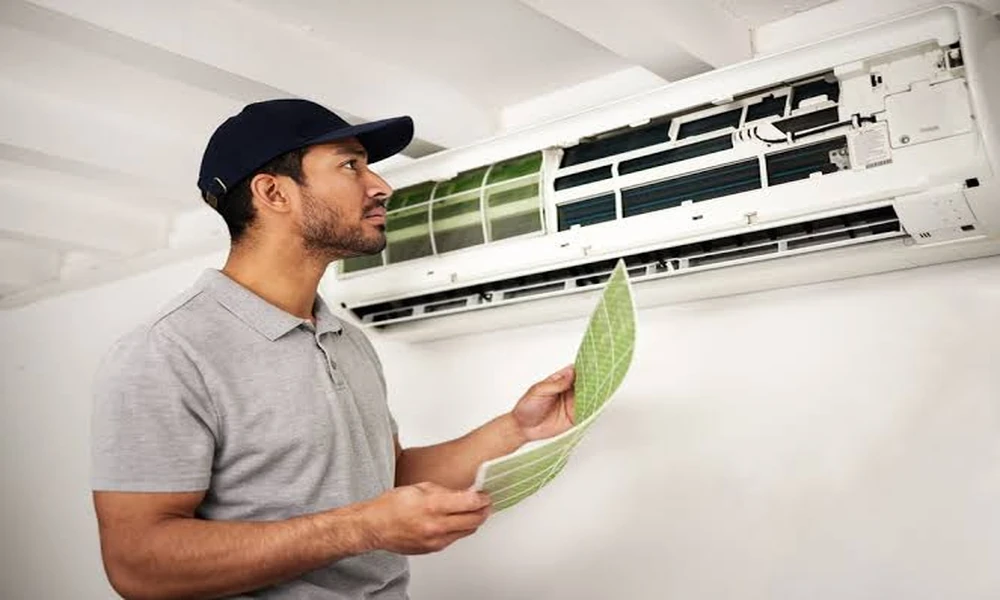
Air filters play a crucial role in maintaining healthy airflow throughout your HVAC system. Over time, filters collect dust, pollen, pet dander, and other airborne particles. As these contaminants build up, airflow becomes restricted.
When air cannot move freely through the system, the evaporator coil may become too cold, reducing the unit’s ability to cool your home efficiently. Dirty filters can also increase energy consumption and place extra stress on system components.
Most manufacturers recommend checking filters monthly and replacing them regularly based on household conditions and usage.
Refrigerant Problems Affect Cooling Performance
Refrigerant is responsible for absorbing heat from indoor air and releasing it outdoors. If refrigerant levels are incorrect, cooling performance can suffer significantly.
Many homeowners assume low refrigerant is the only concern. While leaks are common, overcharging the system can be equally problematic. Excess refrigerant increases pressure within the system, potentially causing compressor damage and reducing overall efficiency.
Because refrigerant handling requires specialized training and equipment, any refrigerant-related issue should be evaluated by a qualified HVAC technician.
Frozen Evaporator Coils
The evaporator coil is responsible for absorbing heat from the air inside your home. Under normal operating conditions, it remains cold but not frozen.
Several factors can cause ice to develop on the coil, including:
- Restricted airflow from dirty filters
- Blocked air vents
- Refrigerant imbalances
- Malfunctioning blower fans
When ice forms on the coil, heat transfer becomes less effective, causing the air conditioner to blow warm or weak air. If you notice ice buildup, turn off the cooling mode and contact a professional to diagnose the root cause.
Thermostat Malfunctions
Sometimes the issue isn’t with the air conditioner itself but with the thermostat controlling it.
Incorrect thermostat settings, dead batteries, wiring problems, or faulty sensors can all interfere with cooling performance. A thermostat that fails to accurately read room temperature may cause the system to cycle improperly or run inefficiently.
Before assuming a major mechanical problem exists, verify that the thermostat is set to “cool” and that the temperature setting is lower than the current room temperature.
Dirty Condenser Coils Reduce Efficiency
The outdoor condenser unit releases heat collected from inside the home. To perform this task efficiently, the condenser coils must remain clean.
Leaves, dirt, grass clippings, and debris can accumulate around the outdoor unit over time. As airflow becomes restricted, the system must work harder to release heat.
Common signs of dirty condenser coils include:
- Reduced cooling capacity
- Higher energy bills
- Longer cooling cycles
- Increased wear on system components
Regular outdoor unit maintenance can help prevent these issues and extend equipment life.
Leaky Ductwork Wastes Conditioned Air
Even if the air conditioner itself is functioning correctly, damaged ductwork can reduce comfort levels throughout the home.
Cracks, loose connections, and poorly sealed ducts allow cooled air to escape before reaching living spaces. This forces the system to run longer while delivering less cooling where it’s needed.
Leaky ducts can also draw dust and contaminants into the system, affecting indoor air quality.
Professional duct inspections can identify hidden leaks and improve overall HVAC efficiency.
Failing Compressor Components
The compressor is often referred to as the heart of an air conditioning system. It circulates refrigerant between indoor and outdoor components, making heat transfer possible.
When a compressor begins to fail, cooling performance typically declines. Warning signs may include:
- Warm air from vents
- Unusual noises
- Frequent system shutdowns
- Difficulty starting the unit
Compressor issues should be addressed promptly, as delaying repairs can lead to more extensive system damage.
Blocked or Closed Air Vents
Homeowners sometimes close vents in unused rooms in an effort to save energy. Unfortunately, this can disrupt airflow balance throughout the system.
Blocked vents force the air handler to work against increased pressure, reducing efficiency and potentially causing cooling problems.
Furniture, curtains, rugs, and other household items can also obstruct vents without homeowners realizing it. Keeping vents open and unobstructed helps maintain proper airflow and consistent temperatures.
Electrical Issues and Worn Components
Air conditioners rely on numerous electrical parts to operate properly. Capacitors, contactors, relays, and wiring connections can wear out over time.
Electrical problems may result in:
- Inconsistent cooling
- System short cycling
- Failure to start
- Unexpected shutdowns
Routine maintenance inspections often identify worn components before they lead to major system failures.
Lack of Preventive Maintenance
Many cooling problems develop gradually due to neglected maintenance. Small issues often go unnoticed until they begin affecting comfort and energy efficiency.
A professional maintenance visit typically includes:
Regular service helps catch developing problems early while keeping the system operating at peak efficiency.
Conclusion
Air conditioning systems are complex, and cooling problems can stem from a variety of causes. From dirty filters and frozen coils to refrigerant imbalances, thermostat issues, and failing compressors, many factors can reduce your system’s ability to maintain comfortable indoor temperatures.
Understanding these common air conditioner issues allows homeowners to recognize warning signs sooner and take appropriate action. While some problems can be prevented through routine maintenance and basic upkeep, others require professional diagnosis and repair. By addressing cooling issues promptly, you can improve comfort, enhance energy efficiency, and help extend the life of your HVAC system.

Comments are closed.