Category

Flooring

Category

Wooden aesthetics have long been favored for their timeless charm and warmth. In modern interiors, wooden floor tiles offer a smart, low-maintenance solution that captures the beauty of hardwood without the drawbacks. From durability to cost-effectiveness, this flooring option provides practical advantages while enhancing visual appeal. Let’s explore the top five reasons homeowners are making the switch.

1. Timeless Style That Elevates Any Room

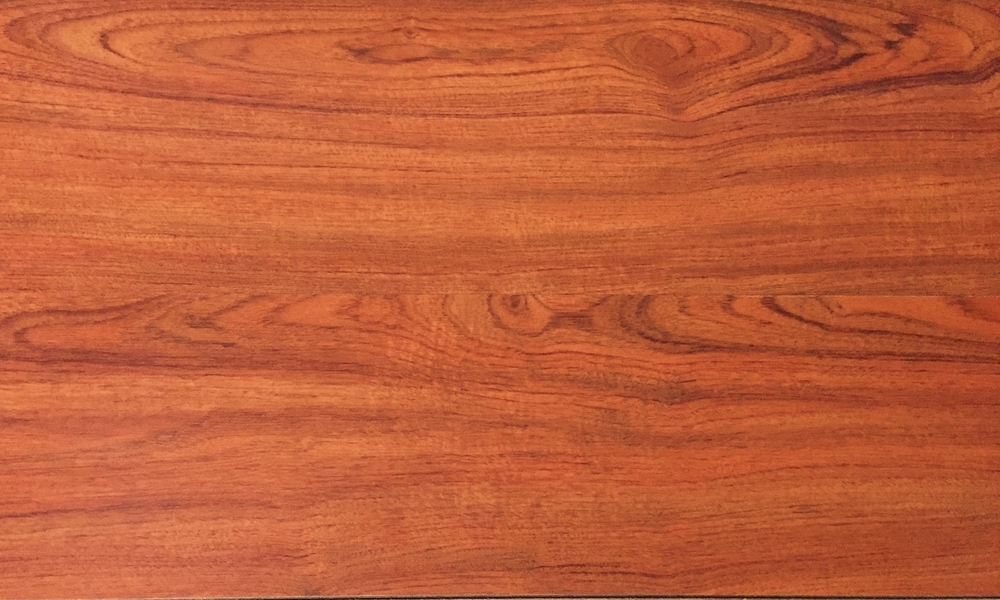
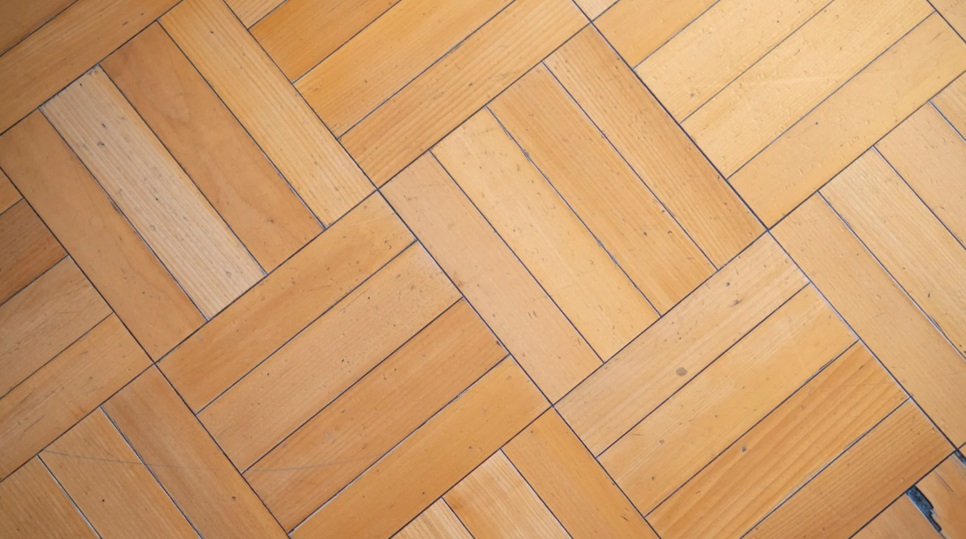
Wood-look floor tiles offer the rustic elegance of natural timber, allowing homeowners to enjoy rich textures and earthy tones that complement nearly any design scheme. Whether you prefer a Scandinavian minimalist space or a cozy farmhouse aesthetic, wood-effect tiles create a strong visual anchor. They are also available in a wide range of patterns, including herringbone, chevron, and wide planks, offering flexibility for designers and DIY remodelers alike.

2. Superior Resistance to Moisture

Unlike traditional hardwood, floor tiles designed to look like wood do not warp or swell due to moisture exposure. This makes them ideal for kitchens, bathrooms, and laundry rooms—spaces where spills, humidity, and splashes are common. The moisture resistance of these tiles also simplifies cleaning routines, requiring only standard mopping without the need for special treatments or sealing.

3. Long-Term Durability

One of the most cited advantages is their extended lifespan. When installed correctly, wooden-look porcelain or ceramic tiles can last for decades. They resist scratches, dents, and wear from heavy foot traffic, making them suitable for both family homes and high-use commercial spaces. Unique wooden décor ideas for home or business can include reclaimed wood accent walls, custom-carved signage, and handcrafted furniture pieces that add warmth, character, and a natural aesthetic.

4. Cost-Effective in the Long Run

While initial installation costs may be comparable to those of engineered wood, the longevity and ease of care of tile make it a cost-effective option over time. There’s no need for refinishing, staining, or re-sealing, and repairs are usually as simple as swapping a single tile. This makes wood-look tiles an ideal choice for budget-conscious homeowners seeking style without recurring upkeep.

5. Eco-Friendly Design Possibilities

By choosing tiles instead of hardwood, you’re reducing the demand for timber and helping preserve forests. Many manufacturers now offer sustainable options that utilize recycled content and employ energy-efficient processes. These tiles also pair well with radiant heating systems, improving thermal comfort without compromising on eco-conscious values.

Conclusion

Wood-look floor tiles are more than a design trend—they’re a strategic choice for homeowners seeking resilience, style, and sustainability in their living spaces. Their timeless appearance, moisture resistance, and low maintenance requirements make them a versatile solution that outperforms many flooring types in terms of functionality and value. The durability and longevity of wooden floor tiles make them a smart investment, offering resistance to wear, easy maintenance, and timeless appeal in both residential and commercial spaces. From modern renovations to classic redesigns, these tiles deliver the warmth of wood with the strength of stone. Investing in wood-look flooring ensures you’re not just upgrading aesthetics—you’re enhancing the lifespan and livability of your home.
When it comes to choosing the perfect flooring for your home, there are numerous options available. Still, one product that is always becoming more and more popular is engineered timber flooring. Designed timber is rapidly becoming the wise choice for homes seeking durability, aesthetics, and sustainability when combined with modern engineering processes and hardwood beauty.

What is Engineered Timber Flooring?

Multiple layers of wood make up engineered timber floor; a hardwood veneer on top gives the floor its natural timber look. Underneath the veneer are layers of plywood or another sturdy material offering support and stability. Comparatively to solid hardwood flooring, this design increases the resistance of engineered timber to environmental changes, including temperature and humidity.

Durability and Stability

The great stability and durability of engineered timber floors are among its main advantages. Designed to tolerate these variations, engineered timber differs from solid timber in that it can warp or split under changes in moisture and temperature. Designed timbers layered construction guarantees better dimensional stability, thereby preventing the expansion or contraction as compared with conventional hardwood. In places where moisture levels vary, including kitchens, bathrooms, or basements, this is especially crucial.

Aesthetic Appeal

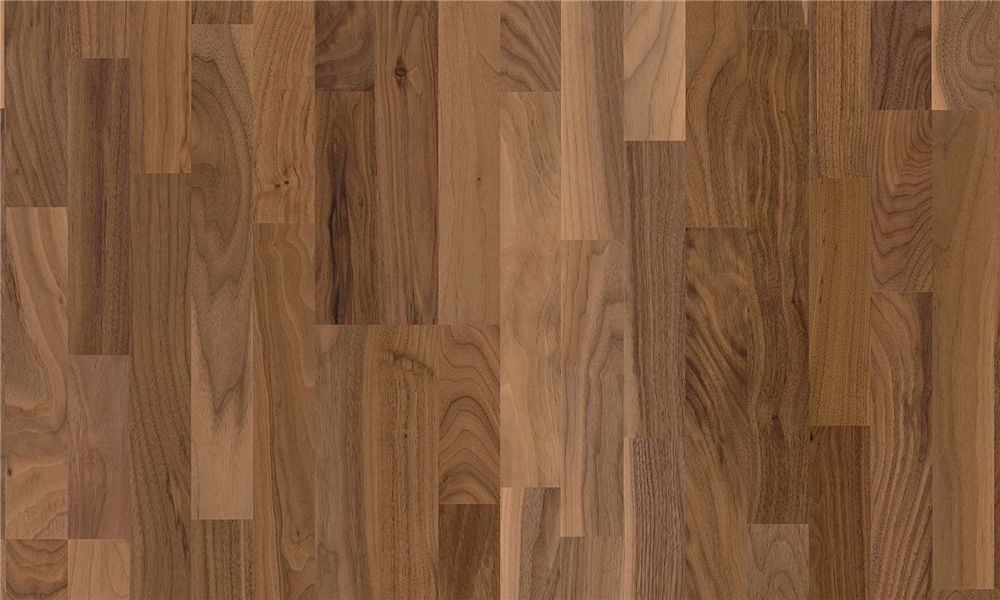
Without the high cost, timber flooring provides all the natural beauty and elegance of hardwood. Made from real hardwood, the top layer highlights the classic grain patterns, textures, and colors that define timber as such a desirable medium. Designed timber comes in a great range of finishes to fit any style and taste, whether of your preferred deep tones of oak, sleekness of maple, or timeless appeal of walnut.

Depending on the thickness of the veneer layer, engineered timber flooring can also be sanded and refilled numerous times. This lets homeowners keep the floor’s immaculate look for many years, even when wear and tear starts to show. Designed timber flooring is a long-term investment that keeps its attractiveness over time because of its adaptability in upkeep.

Flooring

Eco-Friendly Choice

Designed timber flooring is a great option for environmentally aware house owners. Because engineered lumber utilizes less of the valuable hardwood material than solid wood, the manufacturing process of the former is more sustainable. Usually composed of fast-growing, renewable wood sources, the flooring’s foundation layers minimize its effect on forests.

Easy Installation

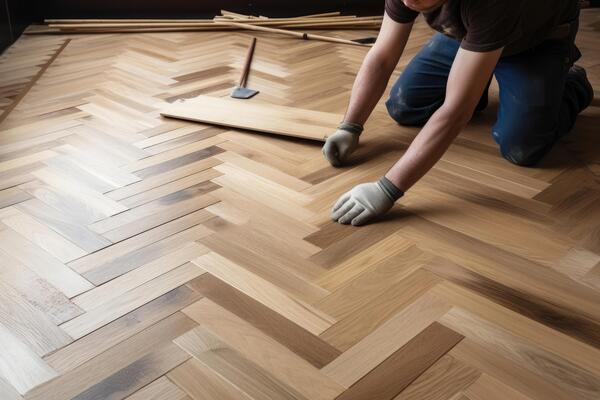
The simplicity of installing engineered timber also makes it a wise choice for homeowners. One can install timber flooring using floating, glue-down, or nail-down approaches, among other ways. Many designed timber goods also feature a click-lock mechanism that lets you easily do it yourself without using nails or glue. This can save time and money during installation, especially if you DIY.

Engineered timber flooring is the ultimate combination of beauty, durability, and functionality. More and more people are selecting engineered timber for their homes given its stability, aesthetic appeal, environmental friendliness, and simple installation. Whether you want to add elegance to your living space or solve high-moisture problems, timber flooring is a sensible, long-lasting alternative.

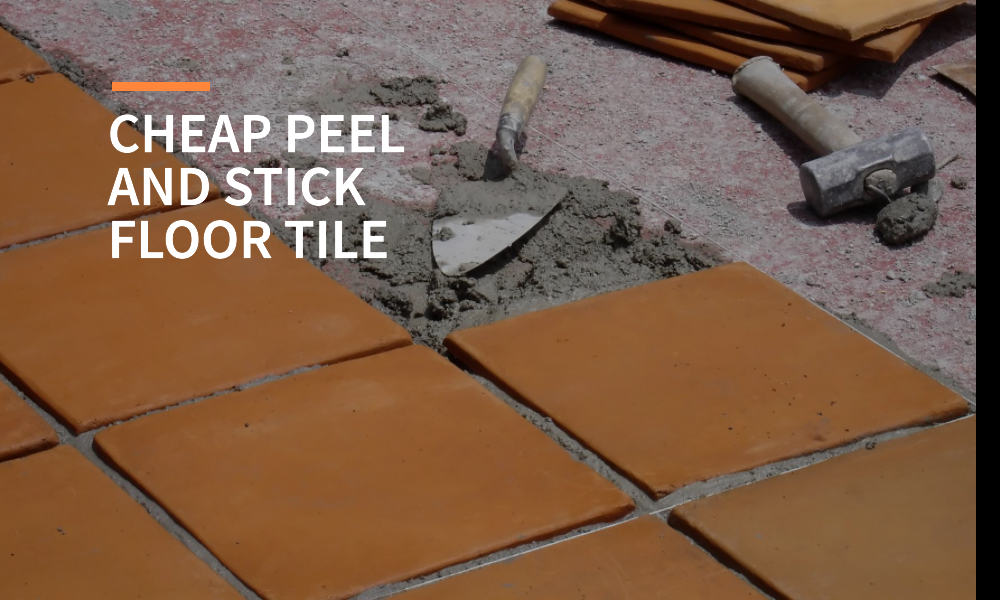
Transforming your living space doesn’t always require a hefty budget or professional help. If your floors are in desperate need of a makeover, cheap peel and stick floor tiles might be the answer you’ve been searching for. Let’s explore the world of these affordable flooring wonders.

1. What are Peel and Stick Floor Tiles?

Peel and stick tiles are a type of vinyl flooring. As the name suggests, these tiles come with an adhesive backing. All one has to do is peel off the protective layer and stick the tile onto the floor. Simple, hassle-free, and incredibly cost-effective!

2. Advantages of Opting for Cheap Peel and Stick Floor Tiles

Ease of Installation: One of the primary attractions. No need for grout, glue, or specialized tools.

Versatility: Available in a plethora of designs, from wood-look to geometric patterns, allowing for customization.

Low Maintenance: Being vinyl, these tiles are water-resistant and easy to clean.

Budget-Friendly: Ideal for those looking to refresh their space without breaking the bank.

3. Things to Consider Before Purchasing

Surface Preparation: Ensure the surface is clean, dry, and even. Imperfections might be visible through the tile or affect adhesion.

Longevity: While durable, they may not last as long as traditional tiles. However, their affordability allows for frequent updates.

Placement: Best suited for low to medium traffic areas to prevent premature wear and tear.

FAQs

  1. Can I place peel and stick tiles over existing flooring?

    • Yes, they can be placed over most flat, non-textured surfaces, including old tiles, but ensure the surface is clean and free of debris.
  2. Are they easy to remove?

    • Generally, yes. Heating the tile with a hairdryer can help soften the adhesive for easier removal.
  3. Can they be used in bathrooms or kitchens?

    • While water-resistant, prolonged exposure to moisture might affect their longevity. It’s advisable to seal edges in such areas.

Conclusion

Cheap peel and stick floor tiles offer a fantastic solution for those wanting a quick and affordable flooring facelift. By understanding their benefits and potential limitations, homeowners can leverage these tiles to create beautiful spaces without straining their wallets.

Transitioning between different types of flooring can be a bit of a challenge. This is especially true when you’re dealing with two starkly different materials, such as tile and wood. In a home layout where the kitchen floor consists of tile and an adjacent room is fitted with wood, creating a smooth transition can add to the aesthetic appeal and maintain the flow of your home design. In this article, we’ll explore some innovative ideas for transitioning from kitchen tile to wood flooring.

1. T-Bar Transition

A T-bar transition is one of the most common methods for joining tile and wood floors. This technique uses a “T” shaped strip of metal (usually aluminum or stainless steel) that fits snugly into a track installed along the flooring seam. The T-bar covers the edges of both the tile and the wood, creating a clean line and smooth transition.

2. Flush Transition

A flush transition is ideal when your tile and wood are the same height. This method provides a seamless transition from one type of flooring to another, making it appear as though the two different materials are one continuous floor. It requires careful planning and execution but results in a sleek and modern aesthetic.

3. Border Transition

Adding a border or a “frame” around the tile can help transition to a wood floor. This technique is particularly useful when you have a tile “island” such as a kitchen or bathroom in the middle of a large wooden floor. The border can be made from the same wood as the floor, or a contrasting material or color can be used to make a bold statement.

4. Transition Strip

Transition strips are generally made from wood or metal, and they act as a bridge between two different flooring materials. They can be flat, for a seamless transition, or they can be molded with a slight bend to accommodate floors of different heights. This is a cost-effective and straightforward solution, although it may not be as visually seamless as some other options.

5. Mosaic Transition

This can be a very visually striking solution. A mosaic transition involves creating a small section of mosaic tile work that transitions between the tile and wood flooring. This option can be a bit more expensive and labor-intensive, but it allows for a lot of creativity and can result in a unique and custom look.

6. Directional Change

Another simple but effective transition technique involves changing the direction of your flooring at the boundary. This method can be used when your wooden floor planks and tiles are the same width. By simply changing the direction of the floor at the divide, a natural transition is created that distinguishes the two areas.

Conclusion

Each of these kitchen tile to wood floor transition ideas provides unique aesthetic qualities. The right choice for you will depend on your personal style, budget, and the specifics of your home. It’s always a good idea to consult with a flooring expert or interior designer to help guide you in the best direction for your home. Regardless of the option you choose, a well-execined transition between tile and wood can significantly enhance the overall design of your space.

One of the key benefits of SPC flooring is its resistance to water and moisture. The limestone powder used in its construction is naturally water-resistant, and the addition of PVC and stabilizers creates a product that is highly resistant to water damage. This makes SPC flooring ideal for use in areas with high moisture levels, such as bathrooms, kitchens, and basements.

Another secret of SPC flooring’s success is its ease of installation. Unlike traditional hardwood or tile flooring, SPC flooring can be easily installed as a floating floor, with no need for adhesive or nails. This makes it a great option for DIY projects or for those looking to save on installation costs.

The aesthetic appeal of SPC flooring  is another factor that contributes to its success. SPC flooring is available in a wide range of colors and styles, allowing homeowners to choose a flooring option that complements their style and the decor of their home.

In conclusion, SPC flooring’s secret of success is its unique construction which makes it durable, water-resistant, and easy to install, combined with its aesthetic appeal. It is an excellent alternative to traditional hardwood or tile flooring and a great option for homeowners looking for a high-end look without the high-end cost.

Is SPC flooring worth it?

SPC flooring, or stone plastic composite flooring, is a type of luxury vinyl flooring that is becoming increasingly popular among homeowners. It is fabricated from an aggregate of herbal limestone powder, polyvinyl chloride, and stabilizers which create a flooring product that is highly resistant to wear and tear, water-resistant, easy to install, and offers a wide range of colors and styles. SPC flooring is a great option for high-traffic areas, spaces with high moisture levels, DIY projects, or for those looking to save on installation costs.

Additionally, SPC flooring is a cost-effective option when compared to traditional hardwood or tile flooring, making it a popular choice for those on a budget. It also requires less maintenance than traditional hardwood and tile flooring, making it a convenient option for busy homeowners. SPC flooring is also hypoallergenic, making it a great option for homes with family members who suffer from allergies.

Tips to Grow Your SPC flooring

Growing your SPC flooring business requires a combination of different strategies.

The first step is to ensure that you are offering high-quality products that are durable, easy to install and have a wide range of colors and styles to choose from.

Another important aspect is to develop a strong online presence, by having a website and social media presence that is easily accessible. Targeted marketing, networking and collaborating with other professionals in the field, and offering great customer service can also help increase your customer base and drive business growth.

Additionally, it’s important to stay up-to-date with the latest trends and innovations in the SPC flooring market. This can help you stay competitive and offer the latest products and designs to your customers.

With these tips in mind, you can position your SPC flooring business for success.

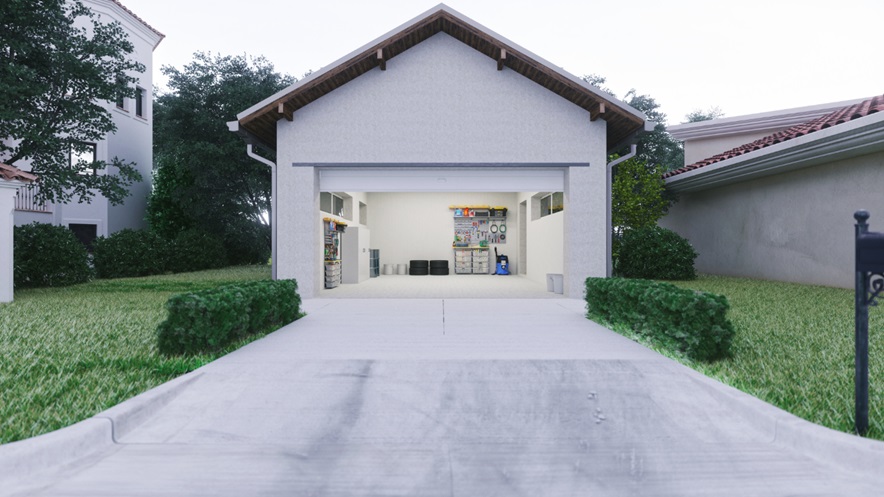
Are you looking for a way to improve the look and function of your garage? If so, you may want to consider installing epoxy flooring. Epoxy is a durable and long-lasting floor coating that can be used in a variety of settings, including garages, basements, and even commercial spaces. In this post, we will discuss some of the reasons why epoxy flooring is the best choice for your garage. Keep reading to learn more!

1. It’s Durable

Epoxy flooring is one of the most durable flooring options on the market. It is resistant to staining, fading, and scratching. Additionally, epoxy is also resistant to oil and other automotive fluids. This makes it the perfect choice for garages that see a lot of foot traffic and are prone to spills. All you have to do is find yourself a reputable company for epoxy floor coating in Atlanta, GA, to install your new flooring, and you’ll be set for years to come! The whole process is simple and straightforward, so you won’t have to worry about a thing.

2. It’s Easy to Clean

Another great benefit of epoxy flooring is that it’s easy to clean. All you need is a broom and a mop to keep your floor looking like new. Epoxy is a non-porous material, which means that spills and dirt will sit on top of the surface instead of seeping in and staining the floor. Moreover, epoxy floors are also slip-resistant, so you won’t have to worry about anyone slipping and falling in your garage. All you need to know is how to care for an epoxy floor so that it lasts long. Remember that a little bit of maintenance goes a long way!

3. It Increases the Value of Your Home

If you’re thinking about selling your home in the near future, epoxy flooring is a great way to increase its value. Homebuyers are always looking for features that will make their lives easier, and an easy-to-clean and durable floor is sure to impress. If you install epoxy flooring in your garage, you can be confident that it will stand up to the wear and tear of daily use and still look amazing. This will definitely set your home apart from the competition and make it more attractive to potential buyers. Also, if you are looking to buy a home, don’t forget to ask the seller if the garage has epoxy flooring – it may just be the deciding factor in your purchase!

The Bottom Line

There are many reasons why epoxy flooring is the best option for your garage. It’s durable, easy to clean, and it increases the value of your home. If you’re thinking about installing epoxy flooring in your garage, be sure to contact a professional for assistance. This way, you can be sure that the job is done correctly and that your new floor will last for years to come.