Archive

May 2025

Browsing

From the Hollywood Hills to the coastline of Malibu, contemporary homes in Southern California are redefining what luxury means in the modern age. Gone are the days when opulence was solely defined by ornate facades and gilded interiors. Today’s high-end residences focus on sleek design, sustainability, indoor-outdoor harmony, and personalized experiences. Whether you’re a design enthusiast or in the market for inspiration, these eight stunning homes showcase how innovation and elegance converge in SoCal living.

1. The Cliffside Haven in Malibu

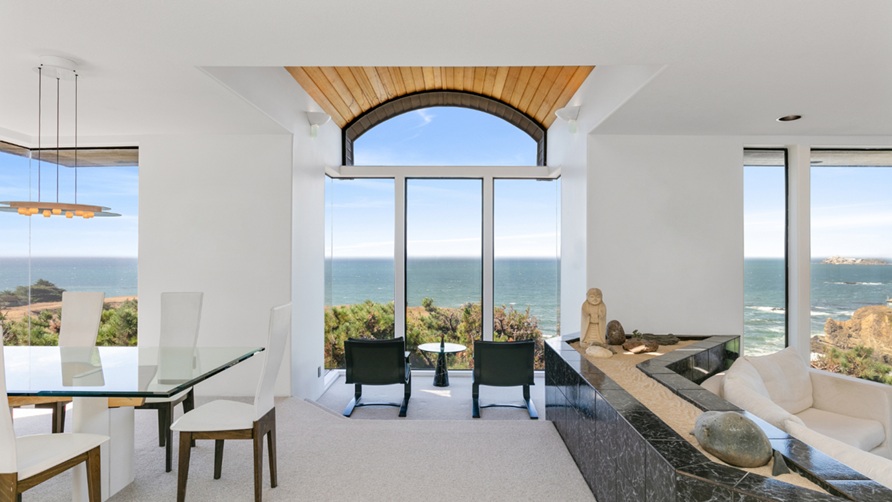
Perched atop a dramatic bluff overlooking the Pacific Ocean, this Malibu masterpiece captures the essence of coastal minimalism. Floor-to-ceiling glass walls dissolve the boundary between interior and nature, offering uninterrupted ocean views from nearly every room. The use of reclaimed wood, polished concrete, and a muted color palette keeps the focus on the scenery, while an infinity-edge pool visually blends into the sea beyond.

2. The Sunset Strip Retreat

Hidden in the hills above Sunset Boulevard, this home epitomizes Hollywood sophistication with a twist of serene retreat. The architecture plays with geometric forms and negative space, creating shadow lines that evolve throughout the day. Inside, automated lighting, smart climate controls, and curated art collections deliver a museum-like atmosphere, while the rooftop deck with panoramic city views is a show-stopper at night.

3. The Canyon Glasshouse

Tucked into a quiet Los Angeles canyon, this residence is a study in transparency and texture. The open-plan layout revolves around a central courtyard, featuring a Japanese-inspired garden and water feature that brings tranquility to the heart of the home. Sliding glass walls open up the interior to the lush surroundings, while carefully placed wood and stone surfaces ground the sleek architecture with natural warmth.

4. The Desert Modern Escape in Palm Springs

This contemporary desert home blends retro-modern influences with new-age efficiency. Flat rooflines, clean stucco walls, and pops of color honor the mid-century aesthetic, while the interior features passive cooling techniques, solar energy, and drought-tolerant landscaping. With its seamless connection to the outdoors and design rooted in climate-responsive choices, this home exemplifies how luxury can also mean responsibility.

5. The Bel Air Pavilion

Inspired by international resort living, this Bel Air residence is as much a private sanctuary as it is a modern sculpture. Featuring cantilevered overhangs and floating staircases, the home’s form expresses balance and precision. Natural materials like limestone and oak contrast with high-gloss finishes, creating a layered, inviting atmosphere. An underground wine cellar and a two-story wellness spa round out its luxurious amenities.

6. The Urban Oasis in Venice Beach

On a narrow lot just blocks from the ocean, this home proves that spatial limitations can spark creativity. Vertical gardens climb the façade, providing privacy and greenery in an urban setting. A central atrium funnels light through every level of the house, while sliding panels and retractable walls ensure a constantly adaptable living space. It’s a prime example of how LA residential architects are pushing boundaries in both form and function.

7. The Encino Courtyard House

Designed around a large internal courtyard, this home in Encino demonstrates how spatial flow can influence well-being. Each room opens into the courtyard through pivot doors, creating visual and physical continuity throughout the home. The interiors balance cool stone flooring with rich wood finishes, and a detached guest suite offers privacy for long-term visitors. Outdoor spaces include a fire pit, pool, and shaded dining pavilion, all perfect for year-round entertaining.

8. The Hillside Sculpture in Beverly Crest

Bold angles and sharp lines dominate this striking home built into the side of a Los Angeles hill. Each floor is slightly offset, creating a cascading effect that mimics the slope of the terrain. The interiors are filled with custom furniture and built-ins that mirror the architectural language of the structure. With a private theater, gallery-style hallways, and a reflective water feature that winds through the lower level, this residence elevates artful living to a new level.

The contemporary homes of Southern California are as diverse as the landscape they inhabit. From beachside pavilions to canyon retreats, these residences demonstrate that true luxury lies in thoughtful design, contextual sensitivity, and a seamless connection to nature. Whether through sustainable innovations or architectural daring, these eight homes are setting a new standard for what it means to live well in Southern California.

A cold room in your home is an often-underappreciated space designed to keep things cool and fresh. Traditionally, cold rooms serve as storage for perishable food items, but with a bit of creativity, they can be transformed into so much more.

Whether you’ve built a custom cold room or have a naturally cool basement or cellar, this versatile space can be optimized for various unique and practical uses.

Here are some inventive ways to transform your home cold room into so much more than just extra fridge space.

1. Wine Cellar: The Classic Use

One of the most popular and elegant uses for a home cold room is converting it into a wine cellar. Cold rooms provide the perfect environment for wine storage because they maintain a steady, cool temperature and moderate humidity—ideal conditions for preserving wine quality and enhancing aging.

By adding custom wine racks, proper lighting, and a humidity control system, your cold room can become a stunning showcase for your wine collection. A dedicated wine cellar protects your investment and elevates your home entertaining experience.

2. Root Cellar: Preserve Your Harvest

For gardeners and those who love to grow their own produce, a cold room makes a perfect root cellar. Cool, dark, and humid conditions are ideal for root vegetables like potatoes, carrots, beets, and turnips—keeping them fresh far longer than a standard fridge can.

With simple shelving, bins, and baskets, you can realize the fruits and vegetables cold storage to last through winter months. This use not only reduces food waste but also saves money by preserving your homegrown or locally sourced produce.

3. Cheese Aging Room: For the Foodie at Home

Cheese enthusiasts will appreciate turning a cold room into a cheese aging cave. Like wine, many cheeses develop complex flavors when aged in a controlled environment with consistent temperature and humidity.

By adding wooden boards or shelves and investing in a hygrometer, you can create conditions ideal for aging cheeses such as cheddar, gouda, or blue cheese. This is a great hobby for food lovers who enjoy artisanal and homemade food projects.

4. Cold Storage for Craft Beer and Specialty Beverages

Beyond wine, a cold room is an excellent space to store craft beers, ciders, kombucha, or specialty non-alcoholic beverages that benefit from cool storage. Keeping these drinks at a consistent temperature ensures their flavors remain vibrant and fresh.

You can customize this space with beverage fridges or racks and organize your collection by type or brewing date, making it easy to find the perfect drink for every occasion.

5. Pantry Overflow: Bulk Food Storage

If your kitchen pantry is bursting at the seams, a cold room can act as an overflow pantry for bulk dry goods and perishables. Canned goods, jars, pickles, preserves, and root vegetables can be stored here, freeing up kitchen space and keeping items fresh longer.

Organizing the cold room with labeled shelves and airtight containers helps you track inventory and reduces the risk of spoilage.

6. Indoor Garden or Mushroom Farm

With the right humidity controls and low light, your cold room can double as an indoor garden space, especially for growing mushrooms or other cool-weather crops.

Mushrooms like shiitake, oyster, and button thrive in cool, damp, dark conditions — making a cold room ideal for a small-scale mushroom farm. This creative use provides a steady supply of fresh fungi for cooking while being a fun, hands-on gardening project.

7. Specialty Meat Curing Room

Charcuterie fans can convert their cold room into a curing chamber for meats such as salami, prosciutto, or sausages. Cold rooms help maintain the ideal temperatures and humidity levels required for curing and aging meats safely at home.

By installing proper ventilation and humidity control, you can experiment with homemade cured meats, adding a personal touch to your culinary repertoire.

8. Emergency Food Storage and Prep Area

Cold rooms can serve as an essential emergency food storage space, keeping vital supplies safe during power outages or emergencies. Stock up on bottled water, canned and frozen foods, and ready-to-eat meals to ensure you’re prepared for unexpected situations.

You can also incorporate a small prep area for assembling meals or organizing supplies, making your cold room a functional and strategic part of home readiness.

Final Thoughts

A home cold room offers incredible versatility beyond traditional food storage. From wine cellars and root cellars to cheese caves and mushroom farms, this cool, controlled space can be tailored to fit your lifestyle and hobbies. Unlocking your cold room’s potential can add convenience, value, and enjoyment to your home.

The future of home design is about blending technology, sustainability, and personalized spaces to cater to modern lifestyles. Whether you’re planning to build a custom property or upgrade an existing one, working with a skilled home builder in Ocoee, TN, can ensure these trends are implemented seamlessly. Professionals bring expertise to designs that reflect innovation and comfort, setting the stage for homes that are both functional and stylish. Below, explore the key trends that are predicted to shape homes in 2025.

Sustainability at the Core

Eco-conscious designs are becoming a top priority as homeowners look to reduce their environmental impact while maintaining a high standard of living.

Energy-Saving Elements

Builders are incorporating features like solar panels, energy-efficient windows, and improved insulation systems in all kinds of projects. These not only help reduce energy bills but also provide long-term sustainability. Materials such as reclaimed wood, recycled steel, and bamboo are gaining popularity for their low environmental footprint and unique aesthetic quality.

Smart home systems are also evolving, balancing energy use with homeowner needs. Programmable thermostats and smart lighting systems further enhance energy efficiency while elevating convenience.

Flexible Spaces for Modern Living

Adapting to shifting needs has become central in modern home design, with versatile layouts gaining favor.

Open Floor Plans

The demand for open floor plans that merge living areas remains strong. These layouts foster a natural flow between spaces and create an expansive feel. Large glass sliding doors make it easier to integrate indoor and outdoor spaces, extending living areas to decks, patios, and landscaped gardens. Thoughtful accents like statement rugs or lighting keep open-concept designs cohesive.

For ideas on how to merge styles in such adaptable layouts, consider modern decorating trends that showcase innovative uses of color, texture, and structure in transitional spaces.

Wellness-Centric Designs

Homeowners are prioritizing health and relaxation, transforming homes into havens of well-being.

Spa-Inspired Bathrooms

The bathroom is evolving into a personal retreat. Trends show rising demand for features like rainfall showers, freestanding tubs, and soft ambient lighting that evokes a spa atmosphere. Natural textures like stone and wood, combined with calming tones such as sage green and soft neutrals, enhance the serenity. Wellness doesn’t stop there, as many new builds also dedicate spaces to exercise zones or meditation nooks.

Smart Home Upgrades

Technology is no longer just an add-on; it’s a key consideration in home design planning.

Integrated Tech Features

Tech-powered homes are becoming standard, with voice-controlled devices, automated blinds, and smart kitchen appliances leading the way. These advancements provide seamless control over lighting, security, and even climate settings. Builders work hand-in-hand with automation experts to create tech-savvy homes that operate intuitively and look sleek.

The integration of smart features also complements sustainable designs by optimizing energy consumption and ensuring that advanced homes are both modern and responsible.

Minimalism with Personality

Minimalist aesthetics are evolving to balance simplicity with bold, personalized touches.

Statement Features

Neutral tones still establish the foundation of minimalist interiors, but they’re often paired with standout features like textured walls, unique lighting fixtures, or bespoke furniture. Built-in storage solutions allow for tidy, clutter-free spaces, while custom pieces reflect individuality. This new wave of minimalism emphasizes practicality without compromising on character.

Conclusion

The design trends of 2025 aim to make homes more sustainable, adaptable, and personalized. From eco-friendly materials and flexible layouts to wellness-focused interiors and integrated tech, each innovation is reshaping the way we live. Hiring professional builders and designers ensures these elements are executed with precision, creating homes that are both current and timeless. By incorporating these trends, you’re not just crafting a living space; you’re investing in a future-ready sanctuary tailored to your needs.

A well-planned basement remodel can do more than provide extra living space—it can offer much-needed storage solutions that help keep the rest of your home organized. Whether you want to create hidden compartments or optimize visible storage, the right ideas can transform your basement into a functional, clutter-free area. If you’re exploring a basement renovation in Chicago, integrating smart storage early in the design process will ensure long-term convenience and flexibility. Below are ten smart storage ideas to help you get the most out of your remodeled basement.

1.  Built-In Wall Cabinets

Installing custom-built-in wall cabinets helps maximize storage without consuming valuable floor space. These can run from floor to ceiling or be placed above furniture for a sleek and cohesive look.

Wall cabinets offer flexibility in size and design and can be tailored to store seasonal décor, tools, books, or even sports equipment. They help maintain a clean, minimalist basement while offering ample hidden storage.

2.  Under-the-Stairs Drawers

The space beneath your basement stairs often goes unused. Adding drawers or pull-out cabinets underneath can provide a surprisingly generous amount of storage.

This area is perfect for keeping smaller items organized, such as shoes, games, or craft supplies. It’s also a discreet solution that blends well with the rest of the basement layout.

3.  Built-In Benches with Storage

Benches along the walls or in entertainment areas can double as seating and storage units. Flip-top benches or those with pull-out drawers offer easy access while maintaining a clean look.

Not only do they contribute to a cozy and functional space, but they also serve as a practical solution for storing blankets, toys, or media accessories.

4.  Vertical Shelving Systems

Vertical shelves take advantage of the basement’s wall height. They can be installed in narrow spaces, corners, or behind doors to store items like cleaning supplies, bins, and pantry goods.

For those considering the long-term value, utilizing these types of storage systems reinforces the importance of thoughtful planning. This aligns with ideas discussed in the basement debate, where maximizing every inch of space plays a central role in a remodel’s return on investment.

5.  Sliding Barn Doors for Storage Closets

Instead of traditional swing-out doors, install sliding barn doors to enclose storage closets. This design saves space and adds an aesthetic touch.

These doors work well in rustic or modern basements and allow easy access to organized storage zones, whether you’re stowing away seasonal clothing or bulk supplies.

6.  Ceiling-Mounted Storage

For infrequently used items, consider ceiling-mounted racks or shelves. These can store suitcases, off-season decorations, or even athletic gear without intruding on the livable floor space.

Secure mounting and proper spacing are crucial here, so consulting professionals ensures the system is both safe and effective.

7.  Modular Shelving Units

Modular shelving offers flexible and expandable storage options. You can rearrange the shelves to accommodate different-sized items or reconfigure them as storage needs change.

This type of storage is ideal for multipurpose basements that function as both living and storage areas, such as home gyms or hobby rooms.

8.  Closet Conversion

If your basement includes closets or nooks, converting them into organized storage zones is a great use of space. Add cubbies, shelving, and labeled bins for an organized, easily accessible system.

Closet conversions are especially useful in laundry or utility areas, where supplies need to be both hidden and close at hand.

9.  Floating Shelves

Floating shelves offer visual appeal while providing surface space for decor, books, or essential items. They’re especially suitable for finished basements with entertainment centers or home offices.

Their minimal footprint and aesthetic versatility make them ideal for smaller walls or areas above seating.

10. Multipurpose Furniture

Choose furniture pieces that include built-in storage, such as coffee tables with compartments or media consoles with drawers. These combine functionality with style and make smart use of limited space. When storage is integrated seamlessly into your basement layout, it supports both organization and daily use without sacrificing design.

Conclusion

A finished basement can significantly enhance your home’s functionality and market appeal, especially when storage is thoughtfully included. By implementing ideas like vertical shelving, modular units, and concealed compartments, you can ensure your remodel serves both form and function. Thoughtful decisions during remodeling not only improve daily convenience but also contribute to the lasting value of the space.