

Tag

development

Browsing

Barcelona remains one of the top choices for affluent buyers seeking luxury homes. Known for its stunning architecture, rich cultural scene, and Mediterranean climate, the city offers far more than just a beautiful place to live.

The luxury real estate market in Barcelona is evolving. Today’s buyers are prioritizing style, comfort, privacy, and sustainability. They want properties equipped with modern technology and designed with the environment in mind.

Key Takeaways

  • The luxury property market in Barcelona is evolving with changing buyer preferences.
  • Buyers are seeking unique, high-end properties with advanced amenities.
  • Sustainability is becoming a key factor in luxury property purchases.
  • Barcelona’s cultural heritage and lifestyle continue to attract high-net-worth individuals.
  • The city’s luxury real estate market is expected to remain robust.

The Current State of Barcelona’s Luxury Real Estate Market

The luxury real estate barcelona market is shaped by both local dynamics and global economic trends. As a key destination for high-net-worth individuals, it is sensitive to shifts in the global economy.

Market Performance in 2023–2024

According to Idealista, the average house price in Barcelona reached €4,561 per square meter by Q3 2024—a 9.8% increase from 2023. This sharp rise highlights the growing demand for luxury homes in the city.

Impact of Global Economic Factors

International fluctuations in interest rates and currency values influence Barcelona’s luxury market. However, the city’s enduring charm and strong international appeal make it more resilient to downturns. Nonetheless, the market remains responsive to shifts in global wealth and investor sentiment.

Prime Locations Dominating Luxury Real Estate Barcelona

Barcelona’s luxury housing landscape features several prime areas that consistently attract affluent buyers, each offering unique architectural beauty, privacy, or waterfront access.

Eixample: The Architectural Haven

Eixample is renowned for its Modernist buildings and iconic grid layout. Buyers are especially drawn to renovated properties that blend historical detail with contemporary upgrades.

  • Renovated Modernist buildings
  • High-end amenities
  • Central location

Zona Alta: Exclusivity and Prestige

Zona Alta offers a peaceful and refined environment, filled with elegant villas and luxury apartments. Its proximity to the city center, combined with its quiet surroundings, makes it ideal for those seeking privacy and prestige.

Waterfront Properties in Barceloneta and Vila Olímpica

Poblenou, Vila Olímpica and Diagonal Mar are in high demand thanks to their spectacular sea views and direct beach access. These areas are popular among buyers who want the convenience of urban living combined with a relaxed beachfront lifestyle.

Key features include:

  1. Direct beach access
  2. Panoramic sea views
  3. Modern amenities and services

Property Types in High Demand

Barcelona’s luxury market caters to a diverse range of buyers. From beautifully restored historic apartments to cutting-edge new developments, the city offers something for every preference.

Watch a video tour of a luxury Barcelona penthouse.

Historic Penthouses and Modernist Apartments

These properties are especially sought after for their unique architecture, private terraces, and panoramic city views. They offer an exceptional blend of historic character and modern sophistication.

Luxury Villas with Mediterranean Views

Spacious villas with sea views remain a top choice for buyers looking for exclusivity and natural beauty. These homes often feature generous living spaces, private pools, landscaped gardens, and top-tier finishes—especially in areas like Zona Alta.

New Development Projects and Pre-Construction Opportunities

Modern developments are increasingly attractive to buyers who value smart technology, energy efficiency, and customization. Pre-construction properties also offer the chance to personalize interiors and capitalize on future value appreciation.

Essential Amenities Luxury Buyers Expect

Luxury buyers in Barcelona have high expectations. Properties must offer features that enhance both lifestyle and property value.

Private Outdoor Spaces: Terraces and Gardens

Terraces and gardens are essential in high-end homes. These outdoor areas offer a peaceful escape from city life and allow residents to enjoy Barcelona’s sunny climate. Designed with elegance and functionality in mind, they often include lush landscaping, lounge areas, and outdoor kitchens.

Wellness Facilities: Pools, Spas, and Fitness Areas

Wellness is a growing priority. Luxury homes often include private pools, spas, and fully equipped fitness spaces. These amenities appeal to health-conscious buyers looking for relaxation and a holistic lifestyle.

Smart Home Technology Integration

Tech-savvy buyers want homes equipped with the latest smart features. Automation systems for lighting, climate control, security, and entertainment are becoming standard. These technologies enhance daily living while also boosting the property’s value.

Architectural Preferences and Design Trends

Design trends in Barcelona’s luxury market reflect a growing demand for sustainability and aesthetic harmony. Today’s luxury homes balance heritage with innovation.

Blending Historic Elements with Modern Aesthetics

Barcelona’s older buildings are being carefully restored to preserve their charm while incorporating sleek, contemporary interiors. This fusion respects the city’s cultural legacy while meeting modern luxury standards.

Open-Concept Living Spaces

Open-plan designs are increasingly favored, maximizing natural light and creating seamless transitions between indoor and outdoor areas. These layouts enhance spatial flow and elevate the overall living experience.

Sustainable and Biophilic Design Elements

Eco-conscious buyers are drawn to green design features. Homes now include solar panels, rainwater collection systems, and green roofs. Incorporating natural materials and indoor plants also supports wellness and environmental responsibility.

International Buyer Demographics and Motivations

Barcelona is seeing a steady rise in international buyers who are motivated by the city’s unique lifestyle, stable market, and long-term investment potential.

Key Nationalities Investing in Barcelona

Recent data shows that buyers from the UK, Sweden, and the Netherlands are among the top investors in Spain’s luxury property sector—and Barcelona is a key destination for them.

Primary Residences vs. Second Homes

Some buyers are relocating permanently, while others are looking for vacation homes or income-generating investments. Barcelona’s combination of lifestyle appeal and market strength attracts both types of buyers.

Investment-Driven Purchases

Investors are targeting properties with strong rental income and appreciation potential. For more on this, check Spotblue’s research on Spain’s real estate. The city’s resilience and steady demand make it an attractive long-term investment.

Price Trends and Investment Potential

Barcelona offers more than an exceptional lifestyle—it also delivers competitive returns for real estate investors.

Price Per Square Meter Analysis by Neighborhood

Luxury property prices vary significantly by area. Eixample and Zona Alta lead with rates ranging from €15,000 to over €20,000 per square meter. Waterfront homes in Barceloneta and Vila Olímpica also command high prices due to their prime location and premium views.

ROI Expectations for Luxury Properties

Rental yields for luxury homes in Barcelona range from 4% to 7%, surpassing returns in cities like Krakow, Rome, Milan, London, Stockholm, and Paris. This performance makes the city one of Europe’s most attractive luxury property markets.

Comparison with Other European Luxury Markets

Barcelona stands out with its consistent demand, cultural richness, and favorable investment environment. Unlike markets such as Paris or London that face greater volatility, Barcelona maintains steady growth supported by both domestic and international buyers.

Legal Considerations for International Luxury Buyers

Navigating Spain’s legal framework is essential for a smooth property purchase. International buyers should understand key legal and tax implications to avoid setbacks.

Taxation for Non-Resident Property Owners

Non-resident owners are subject to Spanish tax laws. This includes taxation on rental income and capital gains. Understanding deadlines and tax rates is crucial to ensure compliance and avoid penalties.

Working with Legal Representatives and Property Managers

Given the complexity of Spanish property law, it’s advisable to work with experienced legal advisors and property managers. These professionals can guide buyers through the process, ensure legal compliance, and provide reliable property oversight.

Sustainability as a Growing Priority

Sustainability is becoming a central focus in Barcelona’s luxury property market. Buyers now want homes that reflect their values—combining environmental responsibility with modern luxury.

Energy-Efficient Luxury Properties

High-efficiency homes reduce environmental impact and operating costs. Features such as thermal insulation, energy-saving systems, and efficient appliances are now standard in many high-end developments.

Eco-Friendly Building Materials and Practices

Developers are embracing sustainable building methods, using materials that are ethically sourced and environmentally friendly. This not only appeals to eco-conscious buyers but also enhances the long-term value of the property.

Green Certifications and Their Impact on Property Value

Certifications such as LEED and BREEAM provide official recognition of a property’s sustainability. These certifications increase market appeal and can positively influence resale value.

23

The Influence of Barcelona’s Lifestyle on Property Decisions

Barcelona’s lifestyle is a major driver in real estate decisions. The city’s cultural richness, food scene, and family-oriented amenities all influence where buyers choose to invest.

Cultural Attractions and Their Impact on Location Preference

Proximity to iconic sites like La Sagrada Família and Park Güell significantly boosts a property’s appeal. Neighborhoods such as Eixample and Gràcia are particularly attractive for their cultural depth and walkability.

Gastronomy and Nightlife Considerations

Barcelona’s world-class dining and vibrant nightlife shape buying preferences. Proximity to acclaimed restaurants like El Xampanyet or Tickets Bar is a plus for gastronomes. Trendy districts like El Raval and Poblenou attract younger, socially active buyers.

International Schools and Family-Friendly Amenities

Families value access to international schools such as the International School of Barcelona and the British School of Barcelona. Neighborhoods like Les Corts and Sarrià-Sant Gervasi are ideal for families due to their safety, green spaces, and community amenities.

FactorImpact on Property Decisions
Cultural AttractionsHigh demand for areas near iconic landmarks
Gastronomy and NightlifePopular areas include El Raval and Poblenou
International SchoolsFamilies prioritize areas with reputable schools

For more on living in Barcelona, see Idealista’s guide to living in Barcelona.

Navigating Barcelona’s Luxury Property Market: Expert Advice for Prospective Buyers

Buying luxury real estate in Barcelona is easier with the right guidance. Work with experienced agents who specialize in high-end properties. They can provide insights, handle legal requirements, and help you secure the best opportunities.

Stay informed about pricing, emerging neighborhoods, and local regulations. With expert support and solid market knowledge, you’ll be well-positioned to find the ideal property—whether for personal use or as an investment.

Frequently Asked Questions (FAQs)

1. Is Barcelona a good city for luxury real estate investment?
Yes. Barcelona offers a stable property market, high rental yields (up to 7%), and strong international demand, making it a smart choice for both lifestyle and investment purposes.

2. What areas in Barcelona are best for buying luxury properties?
Popular areas include Eixample for its architectural charm, Zona Alta for exclusivity and tranquility, and waterfront areas like Barceloneta and Vila Olímpica for stunning sea views.

3. What types of luxury homes are available in Barcelona?
Buyers can choose from historic penthouses, modernist apartments, beachfront residences, and high-end villas with Mediterranean views. There are also new developments with cutting-edge design and smart technology.

4. What amenities do luxury buyers expect in Barcelona properties?
Common expectations include private outdoor spaces, pools, fitness facilities, smart home systems, high-end finishes, and sustainable design features.

5. How is sustainability influencing luxury real estate in Barcelona?
Buyers are increasingly looking for energy-efficient homes, eco-friendly materials, green certifications (like LEED), and biophilic design elements that blend luxury with environmental consciousness.
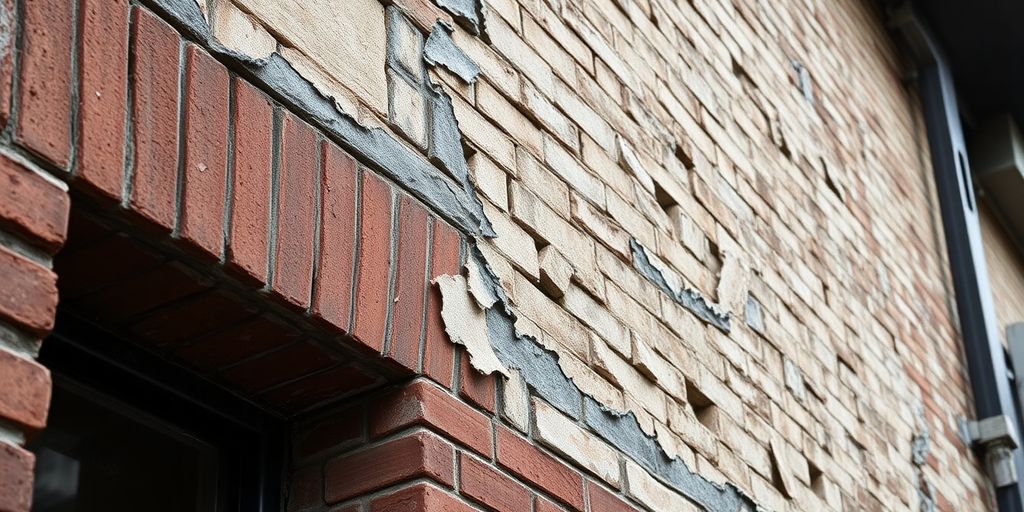

Historical Use of Asbestos in Construction

Asbestos was once hailed as a miracle material due to its resistance to heat and corrosion. It became a staple in construction, particularly from the late 19th century until the late 20th century. Builders used it extensively in various applications, from insulation to fireproofing. Despite its benefits, the health risks associated with asbestos were not immediately apparent, leading to widespread use in many commercial structures.

Common Locations of Asbestos in Buildings

In commercial buildings, asbestos can be found in numerous areas:

  • Roofing Materials: Often used in shingles and underlayment.
  • Insulation: Common in pipes, boilers, and ductwork.
  • Flooring: Vinyl tiles and adhesives frequently contained asbestos.
  • Ceiling Tiles: Particularly those with acoustic properties.
  • Fireproofing Materials: Sprayed coatings and plasters.

These materials, if disturbed, can release asbestos fibers into the air, posing a risk to occupants.

Identifying Asbestos in Older Structures

Identifying asbestos in older buildings requires a thorough asbestos report conducted by professionals. This involves:

  1. Inspecting suspected asbestos-containing materials (ACMs).
  2. Taking samples for laboratory analysis.
  3. Assessing the condition of the ACMs to determine potential risks.

It’s crucial to engage certified experts to handle this task to ensure safety and compliance with regulations. Regular inspections can help in managing the presence of asbestos and planning for any necessary abatement.

Health Risks Associated with Asbestos Exposure

Types of Diseases Linked to Asbestos

Asbestos exposure is notorious for its severe health implications, primarily causing various forms of cancer. Lung cancer and mesothelioma are the most prevalent diseases associated with asbestos. Mesothelioma, a cancer affecting the lining of the lungs and abdomen, is exclusively linked to asbestos exposure. Additionally, asbestos can lead to cancers of the larynx, ovaries, and gastrointestinal tract. Even short-term exposure to asbestos dust can significantly increase the risk of developing these conditions, making it crucial to manage and mitigate asbestos exposure in environments where it is present. For more information on the risks of short-term exposure, see this article.

Long-Term Health Implications

The latency period of asbestos-related diseases can be alarmingly long, often taking 20 to 60 years to manifest. This long delay between exposure and the onset of symptoms makes it challenging to diagnose and treat these diseases early. Asbestosis, a chronic lung disease caused by inhaling asbestos fibers, is another serious condition that can develop, leading to progressive lung damage and respiratory failure over time. The long-term implications of asbestos exposure underscore the necessity for stringent safety protocols and regular health monitoring for individuals who have been exposed.

Vulnerable Populations and Asbestos

Certain groups are more susceptible to the dangers of asbestos exposure. Workers in construction, demolition, and shipbuilding industries are at a heightened risk due to the nature of their work. Family members of these workers can also be affected through secondary exposure, as asbestos fibers can be carried home on clothing and equipment. Furthermore, older buildings that still contain asbestos pose a risk to occupants and maintenance workers. Protecting these vulnerable populations requires comprehensive safety measures, including protective gear, regular health screenings, and thorough asbestos management plans.

Regulatory Framework Governing Asbestos in Commercial Properties

Key Regulations and Guidelines

When it comes to managing asbestos in commercial buildings, understanding the regulatory landscape is crucial. Federal regulations play a significant role in ensuring safety. The National Emission Standards for Hazardous Air Pollutants (NESHAP), under the Clean Air Act, sets stringent guidelines for the demolition and renovation of structures to prevent asbestos exposure. Additionally, the Asbestos Hazard Emergency Response Act (AHERA) mandates that only certified professionals handle asbestos-containing materials, especially in public and educational buildings. Compliance with these federal guidelines is non-negotiable.

Role of OSHA and EPA

The Occupational Safety and Health Administration (OSHA) and the Environmental Protection Agency (EPA) are pivotal in regulating asbestos management. OSHA focuses on workplace safety, ensuring that workers are protected from asbestos exposure through stringent safety standards and training requirements. The EPA, on the other hand, oversees environmental regulations, including the reduction of asbestos fibers released into the air during handling activities. Both agencies work in tandem to minimize health risks associated with asbestos.

State and Local Compliance Requirements

Beyond federal oversight, state and local governments impose additional regulations that can be even more stringent. These rules vary significantly across different jurisdictions, requiring property owners to stay informed about local laws. For instance, some states may require more frequent inspections or specific disposal methods for asbestos-containing materials. Property managers must navigate these layers of regulation to avoid penalties and ensure the safety of building occupants.

Asbestos Management and Safety Protocols

Developing an Asbestos Management Plan

Creating a solid asbestos management plan is essential for any commercial building that might contain asbestos. This plan should start with a comprehensive survey to identify asbestos-containing materials (ACMs) and assess the condition and risks associated with them. It’s crucial to keep an updated asbestos register that logs the location, type, and condition of ACMs. Regular inspections should be scheduled to ensure no changes in the condition of these materials. The plan must also outline procedures for emergency situations, such as accidental disturbance of asbestos.

Training and Protective Measures

Training is a key component in managing asbestos risks. Employees, especially those involved in maintenance and construction, must be educated about the dangers of asbestos and the safety procedures they need to follow. Providing personal protective equipment (PPE) is vital when workers are potentially exposed to asbestos fibers. This includes respirators and protective clothing to minimize exposure. Regular training sessions should be held to keep everyone informed about the latest safety protocols.

Monitoring and Maintenance Procedures

Ongoing monitoring is necessary to ensure the safety of building occupants. This involves air quality testing to detect any asbestos fibers in the environment. Maintenance procedures should include regular checks on the condition of ACMs and prompt repairs if any damage is found. It’s also important to have a system in place for reporting and addressing any suspected asbestos disturbances. By following these requirements for managing asbestos, building managers can comply with regulations and protect the health of everyone who uses the building.

Renovation and Demolition Considerations for Asbestos-Containing Buildings

Pre-Demolition Surveys and Testing

Before any renovation or demolition begins, it’s crucial to conduct a thorough survey to identify asbestos-containing materials (ACMs). This involves hiring a certified asbestos professional to assess the building and determine the presence and condition of ACMs. Testing is mandatory to ensure the safety of workers and occupants. The survey should focus on common areas like flooring, walls, ceilings, and insulation. Identifying asbestos early can prevent dangerous exposure during construction activities.

Safe Removal and Disposal Practices

Once asbestos is identified, safe removal and disposal become a priority. Engaging licensed abatement contractors is essential. They use specialized techniques such as encapsulation, enclosure, and removal to manage asbestos safely. Removal is often necessary during demolitions to eliminate exposure risks. It’s also important to follow strict disposal regulations to prevent environmental contamination. For more on handling and disposing of asbestos, consider exploring safe methods for handling asbestos.

Legal Obligations During Renovation

Legal requirements for asbestos management are governed by various regulations, including the National Emission Standards for Hazardous Air Pollutants (NESHAP) and the Asbestos Hazard Emergency Response Act (AHERA). These laws mandate that only trained professionals handle asbestos and that all activities comply with federal, state, and local guidelines. Failure to adhere to these regulations can result in hefty fines and legal consequences. Property owners must stay informed about their obligations to ensure compliance and safety.

Insurance and Liability Concerns Related to Asbestos

Impact on Property Insurance

When it comes to property insurance, asbestos can be a significant factor. Insurance companies often view asbestos as a high-risk element due to potential health hazards and the costs associated with its removal. Asbestos presence can increase premiums or even lead to denial of coverage. Policies may require property owners to conduct regular inspections and maintain an asbestos register. This register serves as a record of asbestos locations within the building, ensuring that both the insurer and the insured are aware of potential risks.

Liability for Property Owners

Property owners have a legal responsibility to manage asbestos risks effectively. Failure to do so can result in serious legal consequences. Asbestos liability refers to the legal obligation of property owners to ensure that asbestos-related risks are minimized. If someone is exposed to asbestos on their property and suffers health issues, the owner could face lawsuits and substantial financial penalties. Thus, it’s crucial for property owners to engage in regular inspections and adhere to safety regulations to mitigate these risks.

Risk Mitigation Strategies

Mitigating asbestos-related risks involves several proactive strategies:

  • Regular Inspections: Conduct periodic inspections to identify and assess asbestos risks.
  • Asbestos Management Plan: Develop and implement a comprehensive plan to manage asbestos safely.
  • Professional Consultation: Hire certified asbestos consultants to evaluate and manage asbestos risks effectively.

By implementing these strategies, property owners can reduce their liability and ensure a safer environment for occupants and visitors.

Technological Advances in Asbestos Detection and Removal

Innovative Testing Methods

In recent years, the field of asbestos detection has seen significant technological progress. One of the leading approaches is Transmission Electron Microscopy (TEM), which uses electron beams for precise analysis. This method stands out for its ability to detect even the smallest asbestos fibers, ensuring accurate assessments. TEM has been further enhanced to improve its effectiveness, making it a reliable choice for asbestos testing.

Modern Abatement Techniques

Once asbestos is detected, the next step is removal. Modern abatement techniques prioritize safety and efficiency. The process often begins with sealing off the work area using plastic sheeting and tape to prevent contamination. A negative pressure environment is maintained with exhaust units equipped with HEPA filters to ensure no asbestos fibers escape. Here are some key steps involved:

  • Wetting down asbestos materials before removal to minimize dust.
  • Using specialized vacuums and wet mops for cleanup.
  • Conducting air monitoring to ensure safety throughout the process.

Future Trends in Asbestos Management

Looking ahead, the future of asbestos management is promising with continued technological advancements. Innovations in detection and removal are expected to further reduce risks associated with asbestos exposure. As technology evolves, we can anticipate more efficient and safer methods for managing asbestos in commercial buildings. Embracing these advancements will be crucial in safeguarding public health and maintaining safe environments.

Environmental Impact of Asbestos in Commercial Settings

Asbestos and Air Quality

Asbestos, when disturbed, releases tiny fibers into the air. These fibers can linger, posing a risk to anyone nearby. Air quality can be severely affected, especially in older buildings where asbestos materials might be deteriorating. Individuals working or residing in such environments may face increased exposure if proper precautions aren’t taken. Regular monitoring of air quality is essential to detect any asbestos fibers in the atmosphere, ensuring that safety measures can be implemented promptly.

Waste Management Challenges

Disposing of asbestos waste is not straightforward. It requires careful handling and adherence to strict regulations to prevent contamination. Improper disposal can lead to environmental pollution, affecting soil and water sources. Facilities must follow designated procedures to transport and dispose of asbestos waste safely. This involves using specialized containers and ensuring that waste is deposited in approved landfills designed to handle hazardous materials.

Sustainable Practices for Asbestos Disposal

To minimize environmental impact, sustainable practices in asbestos disposal are gaining attention. These practices include recycling certain asbestos materials where possible and using advanced technologies to neutralize its harmful effects. Emphasizing eco-friendly methods in handling asbestos waste not only protects the environment but also aligns with broader goals of sustainability. Organizations are encouraged to adopt these practices to reduce their ecological footprint while maintaining compliance with environmental regulations.

Case Studies of Asbestos Management in Commercial Buildings

Successful Asbestos Abatement Projects

In examining successful asbestos abatement projects, it’s clear that a well-structured plan is essential. One notable example is the cleanup effort at the historic former Marine Corps Air Station Hangar after a fire on November 7, 2023. The response, led by ATI, demonstrated the importance of quick action and thorough assessment. Key steps included:

  • Initial assessment and identification of asbestos-containing materials.
  • Development of a comprehensive abatement plan tailored to the specific needs of the site.
  • Execution of the plan by certified professionals to ensure safety and compliance.

These steps underscore the need for meticulous planning and execution in managing asbestos risks effectively.

Lessons Learned from Past Incidents

Past incidents have taught us valuable lessons about handling asbestos in commercial buildings. One critical takeaway is the importance of early detection and intervention. Delays in addressing asbestos can lead to increased health risks and legal complications. For example, in older buildings, routine maintenance activities like HVAC cleaning can inadvertently disturb asbestos fibers if not properly managed. Thus, a proactive approach is crucial.

Best Practices in Asbestos Risk Management

Implementing best practices in asbestos risk management involves:

  1. Regular inspections by qualified professionals to identify potential asbestos hazards.
  2. Continuous training for staff on asbestos awareness and safety protocols.
  3. Establishing clear communication channels to ensure that all stakeholders are informed about asbestos management plans.

By adhering to these practices, building owners can minimize risks and maintain a safe environment for occupants.

The Role of Professional Asbestos Consultants

Importance of Hiring Certified Experts

When dealing with asbestos in commercial buildings, hiring certified experts is not just a recommendation—it’s a necessity. These professionals possess the specialized knowledge and skills to identify, assess, and manage asbestos risks effectively. Without proper certification, individuals may overlook critical details, leading to potential health hazards. Certified consultants are trained to adhere to regulations, ensuring that all procedures comply with legal standards, which is crucial for both safety and liability.

Consultant Services and Offerings

Professional asbestos consultants provide a range of services to help manage asbestos in commercial properties efficiently. These services typically include:

  • Comprehensive Surveys: Conducting thorough inspections to locate and identify asbestos-containing materials (ACMs).
  • Risk Assessments: Evaluating the condition and potential risk of identified asbestos materials.
  • Management Plans: Developing detailed plans to manage and mitigate asbestos risks, including maintenance and monitoring strategies.

These offerings are designed to minimize exposure and ensure a safe environment for building occupants.

Choosing the Right Asbestos Consultant

Selecting the right consultant is a critical step in managing asbestos risks. It’s important to consider several factors:

  1. Certification and Qualifications: Ensure the consultant holds the necessary credentials and has experience in handling asbestos in commercial settings.
  2. References and Reviews: Look for testimonials or case studies that demonstrate the consultant’s track record of successful projects.
  3. Communication Skills: A good consultant should clearly explain the processes and keep all stakeholders informed throughout the project.

Making an informed choice can significantly impact the effectiveness of asbestos management efforts, safeguarding both health and property.

Websites

Gori Law

Mesothelioma Guide

Mesothelioma Hope

Mesothelioma.Net

Mesothelioma Fund

Dolman Law

Tor Hoerman Law

Robert King Mesothelioma Law Services

Weitz and Luxenberg

Lung Cancer Group

Mesothelioma Hub

Mesothelioma Help

Mesothelioma Lawyer Center


In recent years, Accessory Dwelling Units (ADUs) have become a significant trend in California’s real estate landscape. These self-contained living spaces, often referred to as granny flats or in-law suites, provide homeowners with the flexibility to create additional rental income, accommodate extended family, or even enhance the value of their property. With California’s ongoing housing crisis, the demand for ADUs has only grown, making them an appealing option for both homeowners and investors. This article will delve into the benefits of building an ADU in California, the regulatory environment, and how homeowners can take advantage of this opportunity.

The Rising Popularity of ADUs in California

California has long faced a housing shortage, with high demand for homes and limited availability, especially in urban areas. In response to this crisis, the state has been actively promoting the development of ADUs. These units offer a viable solution to the housing issue by increasing density without altering the character of neighborhoods. The state’s push to make it easier for homeowners to build ADUs has led to numerous legislative changes in recent years. These changes have streamlined the approval process, reduced fees, and provided incentives to encourage ADU construction.

One of the driving factors behind the popularity of ADUs in California is their versatility. Whether as a rental unit, a home office, or a space for elderly relatives, an ADU provides homeowners with a cost-effective way to maximize the potential of their property. With the right design, an ADU can add significant value to a home, making it a worthy investment.

Benefits of Building an ADU in California

For California homeowners, building an ADU offers a range of benefits. One of the most appealing advantages is the potential for additional income. Renting out an ADU provides homeowners with a steady stream of revenue, which can help cover mortgage payments, property taxes, or other expenses. With California’s high rental demand, especially in cities like Los Angeles, San Francisco, and San Diego, the rental income potential from an ADU is substantial.

Another benefit is the increased property value. Homes with ADUs are often valued higher than comparable properties without them. This added square footage, whether used for rental purposes or as additional living space, makes a property more attractive to potential buyers. In a

competitive real estate market, an ADU can make a significant difference in a property’s marketability and selling price.

ADUs also offer a unique opportunity for multigenerational living. Many families in California are turning to ADUs as a way to accommodate elderly parents, adult children, or other relatives who need their own space but want to remain close by. The self-contained nature of an ADU allows for privacy while still maintaining proximity to family members, creating a living arrangement that can benefit everyone involved.

Navigating California’s ADU Regulations

While building an ADU in California offers numerous advantages, it’s essential to understand the regulations that govern these units. California has made strides in simplifying the approval process for ADUs, but there are still some important factors to consider before starting construction.

First, homeowners should familiarize themselves with local zoning laws. Although the state has passed legislation to encourage ADU construction, each city and county may have different requirements regarding setbacks, lot sizes, height restrictions, and other factors. Some municipalities may have additional regulations or design standards that need to be followed.

Therefore, it’s crucial to consult with local authorities or a qualified architect to ensure that your ADU project complies with all necessary rules.

In addition to zoning laws, building codes must also be followed. ADUs must meet specific safety standards, including proper electrical wiring, plumbing, and insulation. Homeowners should work with licensed contractors and construction professionals who are familiar with California’s building codes and the particular requirements for ADU construction. This will help ensure that the ADU is safe, functional, and up to code.

The state has also introduced incentives to make building an ADU more affordable. For example, some programs offer financial assistance or reduced fees for homeowners who build ADUs. There are also streamlined permitting processes in place for certain types of ADUs, such as those that are built within an existing structure, like a garage conversion. Understanding these incentives can help homeowners save money and time during the construction process.

Financing Your California ADU Project

Financing an ADU project in California can be a bit more complex than a traditional home renovation. However, there are various financing options available to homeowners who want to build an ADU on their property.

One popular option is to take out a home equity loan or home equity line of credit (HELOC). Since an ADU increases the value of your property, lenders are often willing to offer favorable loan terms for homeowners who are adding a unit. These loans allow homeowners to borrow

against the equity in their home, using the property’s value as collateral. This type of financing is ideal for homeowners who have built up significant equity and want to invest in an ADU.

Another option is a construction loan, which is a short-term loan designed specifically for building projects. Construction loans are typically paid out in installments, with the lender releasing funds as the construction progresses. Once the ADU is completed, the loan can be converted into a traditional mortgage.

There are also specialized financing programs for ADUs in California. Some state programs offer low-interest loans or grants to help homeowners build ADUs, particularly those in

lower-income communities. These programs aim to make ADUs more accessible to a broader range of homeowners, including those who may not have the financial resources to pay for the construction upfront.

The Future of ADUs in California

The future of ADUs in California looks bright, as the state continues to prioritize affordable housing solutions. As the population grows and the demand for housing increases, ADUs will likely play an even more significant role in meeting the housing needs of Californians. The state is expected to continue refining its policies to make building ADUs easier and more affordable, which will open up opportunities for homeowners to invest in these units.

With rising home prices and rental costs, ADUs offer a practical solution for homeowners who want to generate income, increase their property value, or create space for family members. As the demand for housing remains high, California ADUs will continue to be an essential part of the state’s strategy to tackle the housing crisis.

In the bustling heart of our cities, an extraordinary transformation is taking place just below the surface. This profound change, though hidden from view, is revolutionizing our urban environments, touching every building, neighborhood, and street corner. At the epicenter of this subterranean revolution is Stratalock USA, a powerhouse renowned for redefining the standards of underground infrastructure services. Their innovative approach is not just changing the physical landscape; it is pioneering a new era in how cities tackle complex infrastructure challenges. With a blend of cutting-edge technology and a commitment to sustainable solutions, Stratalock USA is leading this charge, ensuring that our cities are not only prepared for the demands of today but are also resilient enough to meet the challenges of tomorrow. This exploration delves into the remarkable ways Stratalock USA is transforming urban landscapes, setting new benchmarks for innovation and sustainability in urban development.

The Hidden Backbone of Urban Existence

Essential yet unseen, underground infrastructure is the backbone of urban life. These critical services, encompassing water, sewer systems, electrical grids, and communication lines, ensure that cities remain livable, efficient, and prepared for future demands. Modernizing and maintaining these essential systems pose significant challenges, especially in densely populated areas where disruption must be minimized. Enter Stratalock USA, offering ingenious solutions to meet the intricate needs of urban infrastructure efficiently.

Innovative Solutions for Contemporary Challenges

Stratalock USA blends state-of-the-art technology with eco-friendly practices to address the complexities of underground infrastructure. A standout innovation is their exclusive trenchless technology, which enables repairs and upgrades with minimal disruption to city life, preserving both the structural and visual charm of urban areas.

Moreover, Stratalock USA is pioneering smart infrastructure advancements that enhance urban environments beyond mere repairs. The company employs smart sensors and IoT technology for real-time management and monitoring of city utilities. This proactive, data-driven approach facilitates predictive maintenance, reducing failure risks and enabling infrastructure to adapt to evolving needs.

Commitment to Sustainable Urban Foundations

Stratalock USA’s commitment to sustainability extends beyond technological advancements. Recognizing the critical role of cities in tackling climate change, the company ensures that all projects contribute to urban sustainability. By using recycled materials and integrating green spaces into their underground projects, Stratalock USA demonstrates a commitment to enhancing both infrastructure and environmental well-being.

A Collaborative Force in Urban Transformation

Stratalock USA’s influence in urban planning extends beyond physical infrastructure. The company actively collaborates with communities, city officials, and urban planners to ensure its projects align with broader urban redevelopment goals. Through this collaborative approach, Stratalock USA emerges as a leader in underground infrastructure services, playing a pivotal role in shaping future urban environments.

Looking Towards Tomorrow

As urbanization, climate challenges, and technological advancements accelerate, the role of Stratalock USA and similar companies in urban planning will become even more crucial. Their innovative, sustainable, and community-focused solutions represent the most promising path forward. By redefining standards for underground infrastructure services, Stratalock USA is laying the groundwork for vibrant, resilient, and future-ready communities.

Discover More Today!

Stratalock USA is at the forefront of urban development and is renowned for its commitment and groundbreaking ideas. By revolutionizing underground infrastructure, they are not only addressing present challenges but also paving the way for more sustainable urban futures. As we navigate the complexities of modern urban life, Stratalock USA’s contributions will remain vital in leading cities toward a future of innovation and sustainability.

Maintaining a lush, healthy lawn is a significant aspect of homeownership that contributes to the overall aesthetic and value of a property. Effective lawn care involves a combination of practices and techniques that ensure the grass remains green, the soil stays fertile, and the landscape looks well-kept. This checklist will guide homeowners through essential lawn care tasks, including the crucial roles of tree lopping and mulch delivery.

1. Regular Mowing

Mowing is fundamental to a beautiful lawn. Regular mowing promotes healthy grass growth by encouraging thicker turf and minimizing weed growth. Aim to mow when the grass reaches about one-third taller than the desired height. Adjust your mower blades to ensure that you’re only removing the top third of the grass blades, as cutting too short can stress the lawn.

2. Fertilization

To keep your lawn vibrant, it needs proper nutrients. Fertilization provides the essential elements that support grass growth, including nitrogen, phosphorus, and potassium. A balanced fertilizer should be applied according to the specific needs of your grass type and soil conditions. Typically, lawns benefit from fertilization in the spring and fall. Always follow the manufacturer’s guidelines to avoid over-fertilizing, which can harm the grass and the environment.

3. Watering

Adequate watering is crucial for a healthy lawn. Grass generally needs about one inch of water per week, either from rainfall or irrigation. Early morning is the best time to water, as this reduces evaporation and allows the grass to dry before evening, which helps prevent fungal diseases. Adjust watering schedules based on seasonal changes and weather conditions to avoid over or under-watering.

4. Aeration

Aeration involves perforating the soil with holes to allow air, water, and nutrients to penetrate deeper into the root zone. This practice is vital for alleviating soil compaction, enhancing root development, and improving overall lawn health. Aerate your lawn once a year, ideally in the fall or early spring, to encourage vigorous growth and a more resilient lawn.

5. Weed and Pest Control

Weeds and pests can significantly impact the health of your lawn. Regularly inspect your lawn for signs of invasive weeds and harmful insects. Use appropriate herbicides and pesticides as needed, but be cautious to use products that are safe for your lawn and the environment. Integrated pest management (IPM) strategies, which combine biological, cultural, and mechanical control methods, can also be effective in maintaining a healthy lawn.

6. Tree Lopping

Tree lopping, or the selective removal of branches, plays a crucial role in lawn care. Overhanging branches can shade parts of your lawn, leading to uneven growth and potential bare spots. Regular tree lopping ensures that trees do not obstruct sunlight and airflow to your lawn, which helps maintain even grass growth and overall lawn health. Additionally, removing dead or diseased branches can prevent potential pest and disease problems that may affect your lawn.

7. Mulch Delivery

Mulching is another essential lawn care practice that contributes to the health of your lawn. Mulch, which can be organic (such as wood chips or bark) or inorganic (such as rubber or gravel), helps retain soil moisture, regulate soil temperature, and suppress weed growth. Regular mulch delivery ensures that you have a consistent supply of mulch to maintain optimal conditions for your lawn. When applying mulch, spread it evenly around plants and garden beds, taking care not to pile it against plant stems or tree trunks.

8. Seasonal Maintenance

Seasonal changes require specific lawn care practices to adapt to varying weather conditions. In the spring, focus on cleaning up debris, fertilizing, and preparing your lawn for the growing season. During summer, maintain regular watering and mowing schedules. In fall, perform tasks such as aeration, overseeding, and final fertilization before winter sets in. Winter maintenance may involve removing debris and monitoring for issues that could affect your lawn in the spring.

9. Soil Testing

Regular soil testing helps you understand the nutrient levels and pH of your soil, allowing for more targeted fertilization and amendments. Testing every two to three years provides valuable insights into your soil’s condition and helps you make informed decisions about lawn care practices. Based on the results, you may need to adjust your fertilization plan or add soil amendments to correct nutrient imbalances.

Conclusion

Maintaining a beautiful lawn requires attention to detail and consistent care. By following this ultimate lawn care checklist, homeowners can ensure their lawns remain lush, healthy, and aesthetically pleasing. Incorporating practices such as regular mowing, proper fertilization, and timely tree lopping and mulch delivery will enhance the overall health and appearance of your lawn, making it a standout feature of your property.

It requires many years of saving and demanding intending to make our imagine getting our apartment certainly are a reality where we’re able to live easily and peacefully using this family people. But, individuals are frequently unclear regarding how to start while investing in a condo the very first time. Today I’ll highlight a few in the details that will guide first-time apartment buyers when choosing their perfect dream abode.

The to start with factor you need to consider could be the budget, Purchase a property that merely fits your financial budget without creating a hole staying with you. Then speak to your bank concerning simply how much amount you may get a loan in case you need it, the interest amounts the pay back period, etc. Choose a good realtor who will help you when picking out the perfect apartment. For people who’ve already planned to purchase a specific apartment then make certain to check the cost of the apartment while using the ones surrounding it to get a concept of once the builder has offered a suitable cost otherwise. Make certain to create your offer but in addition be psychologically ready for just about any counteroffer. Also, concentrate on the carpet part of the apartment because it is the particular company get inside the walls in the flat.

Warm Shell' Properties Best for Buyers Who Want One-of-a-Kind Homes - Mansion Global

You have to think about the land records within the apartment prior to you buying. You have to be certain the plot is obvious of dues that is legally registered. The title deed needs to be verified and checked correctly because it provides information round the legal legal legal rights, possession, and obligation for your property. You also need to check what kind of provider you’ll be connected to and choose a reliable one like Gexa Energy plans that is more affordable for your new home. The home needs to be legally approved to obtain built with this specific plot along with the developer within the property should have approvals in the area development government physiques, electricity boards, municipal corporations, etc. You can also specifically search for senior apartments peoria IL that have better facilities for senior citizens to offer comfort and ease.